The Small Basilica, Plovdiv
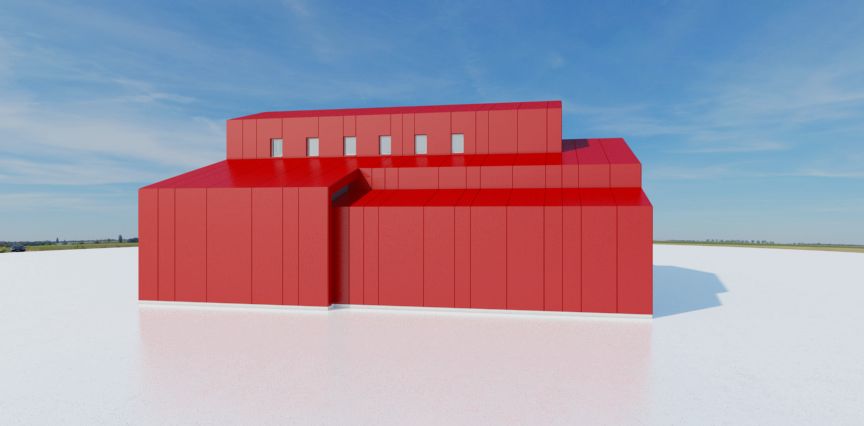
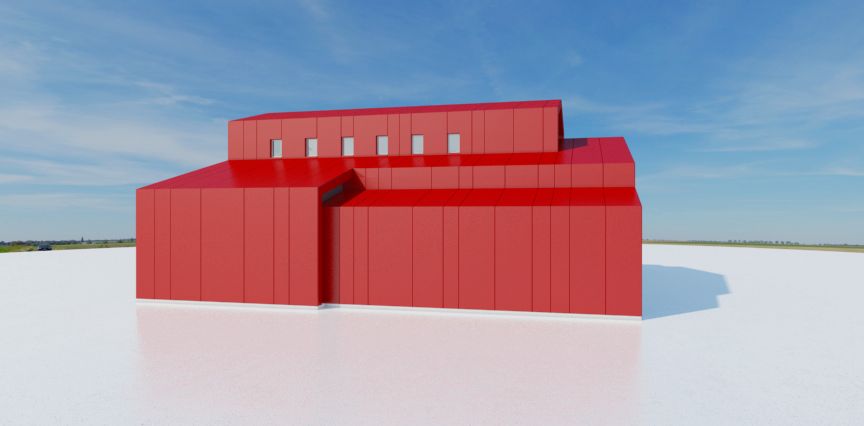
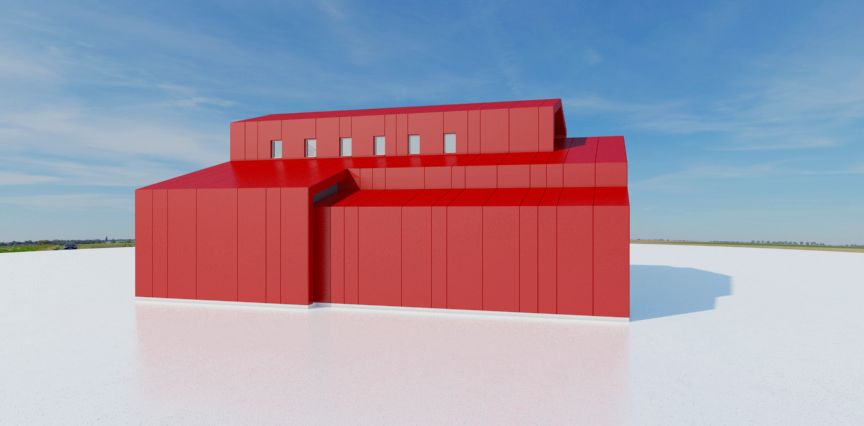
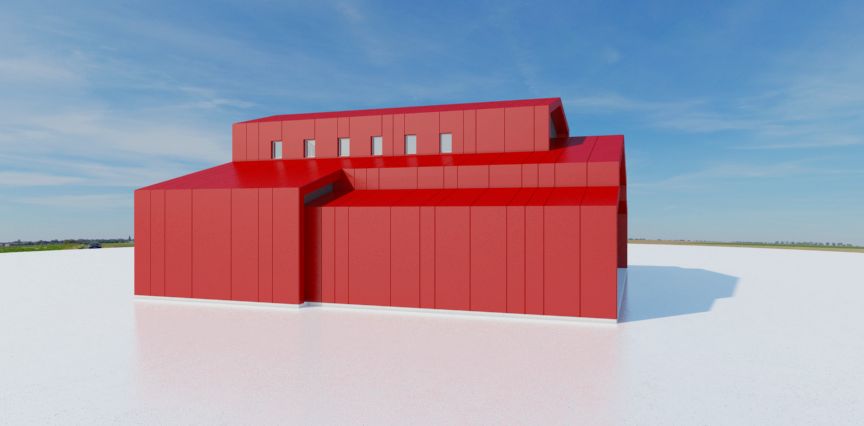
-
The total length of the temple is 20 m and its width is 13 m. The floor of the church was covered with geometrical mosaics. A cross-shaped baptismal pool made of marble and decorated with fine mosaics depicting a stag and doves were discovered in the baptistery. They symbolized Heaven and the blood of Christ. Solomon nodes symbolized the power of true faith.
-
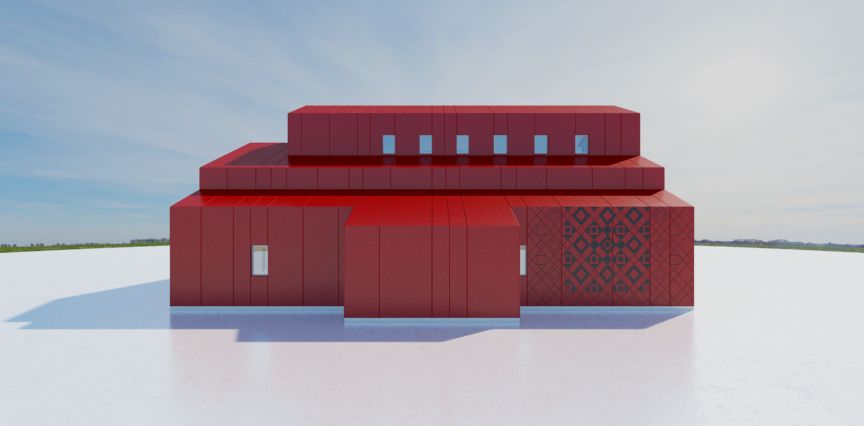
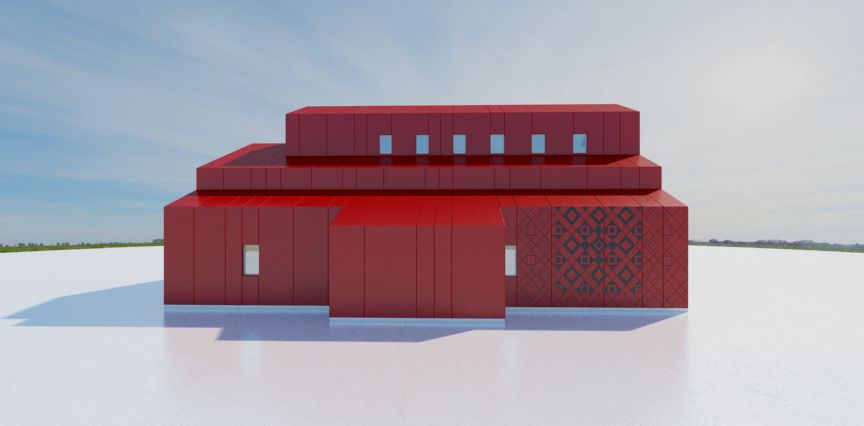
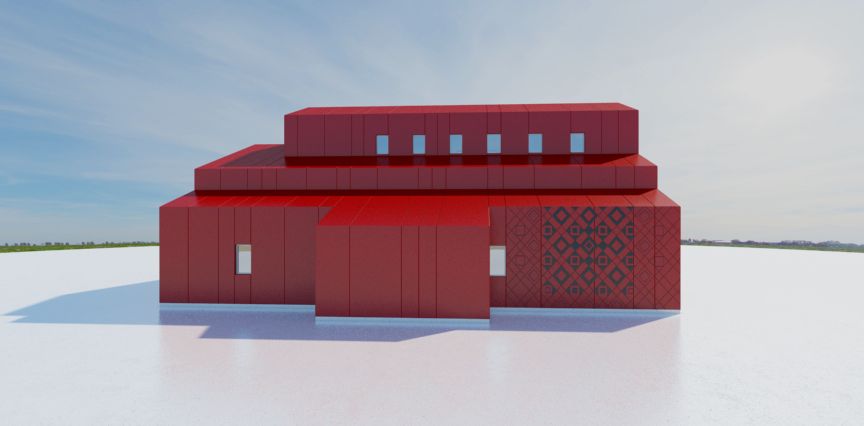
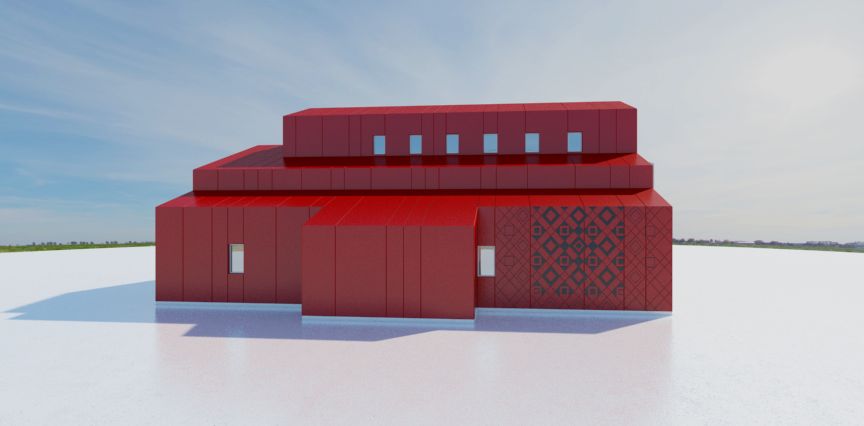
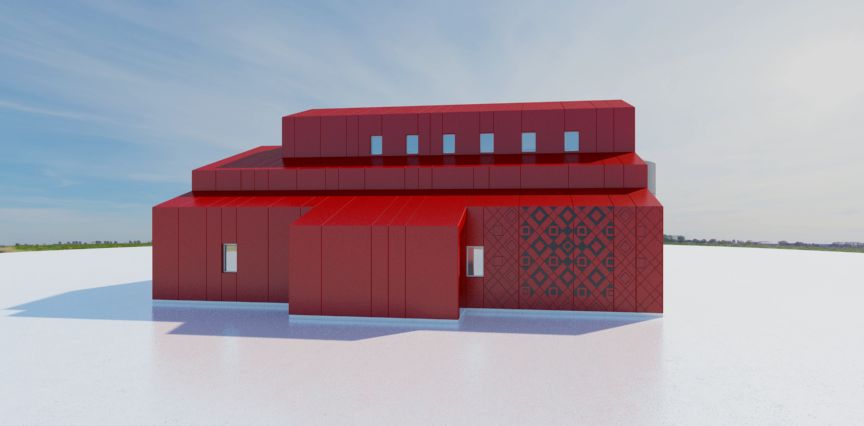
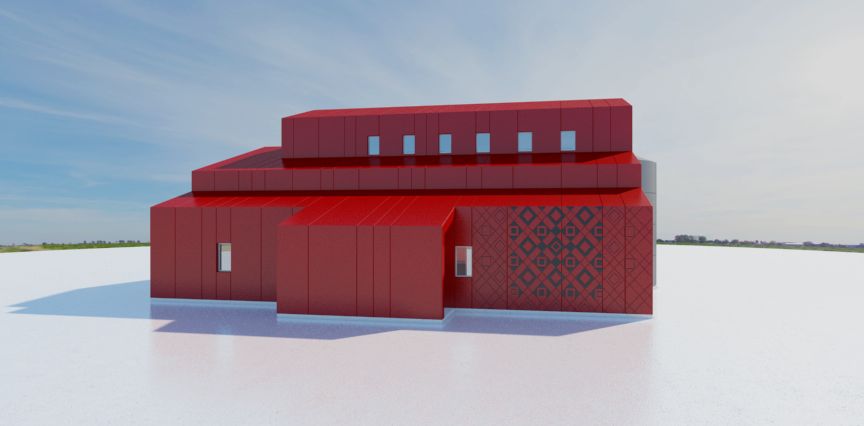
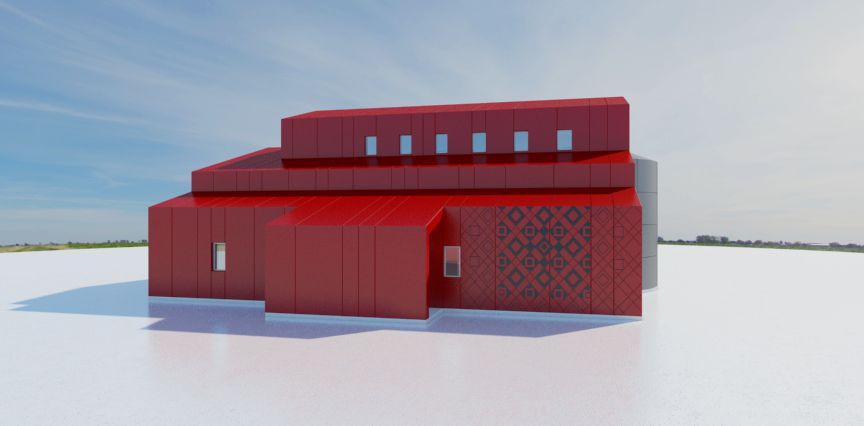
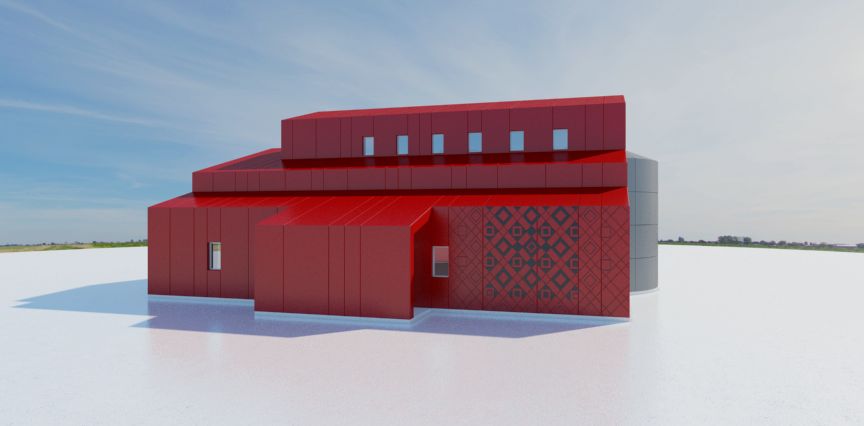
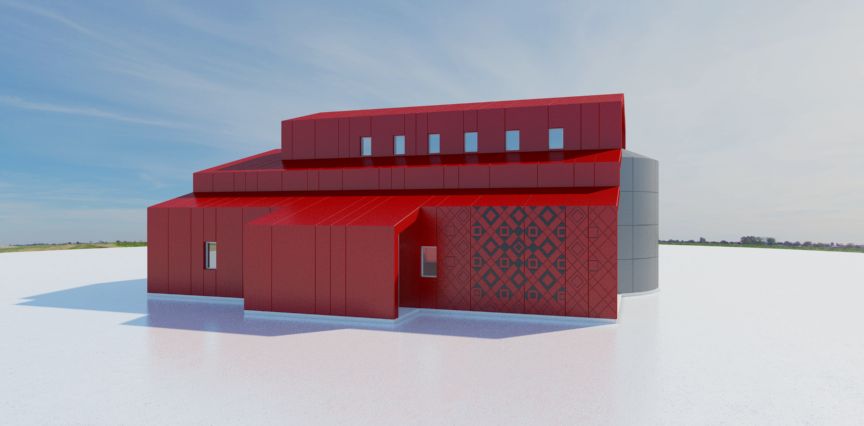
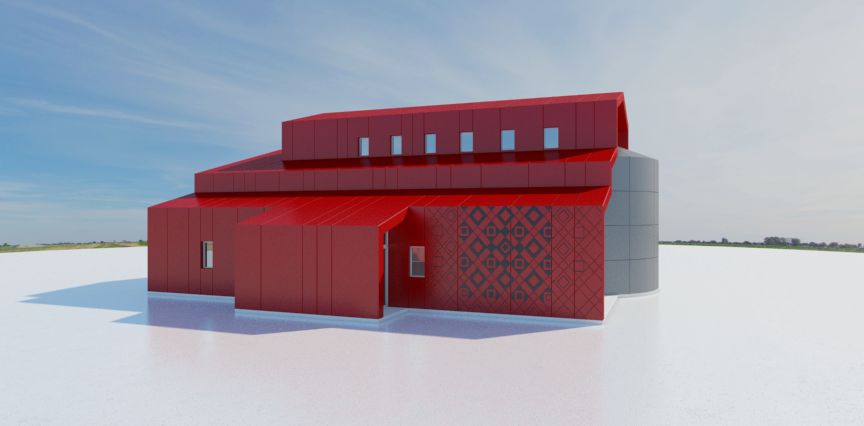
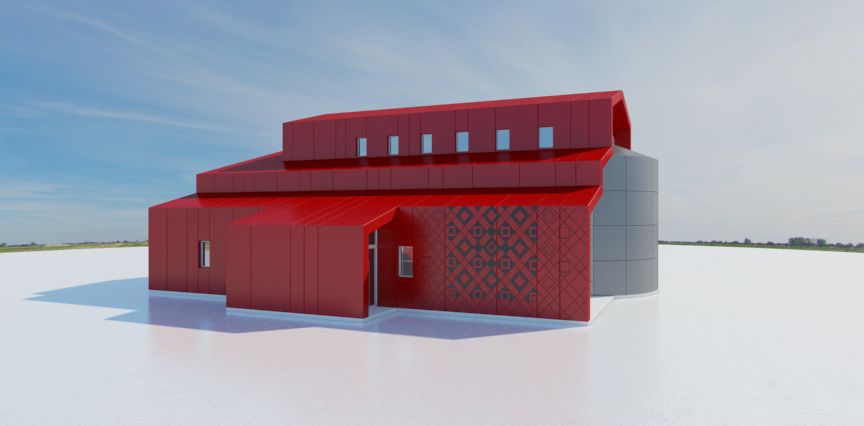
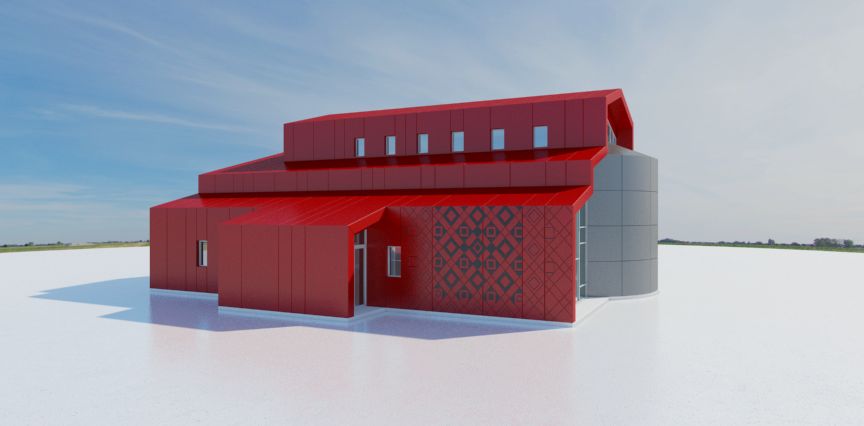
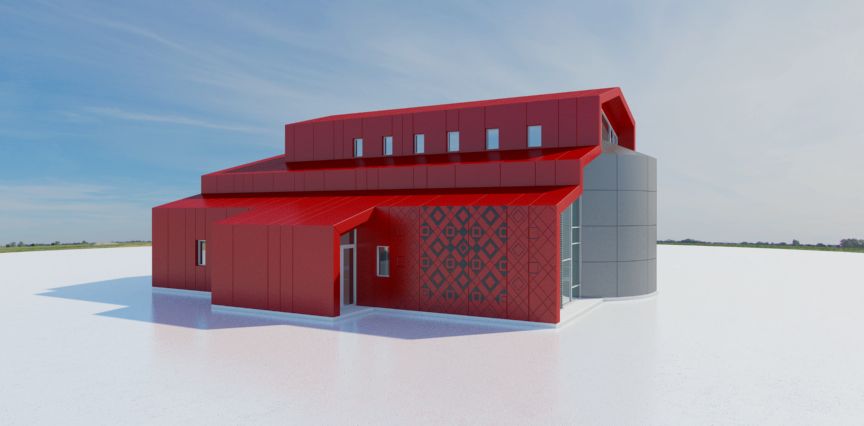
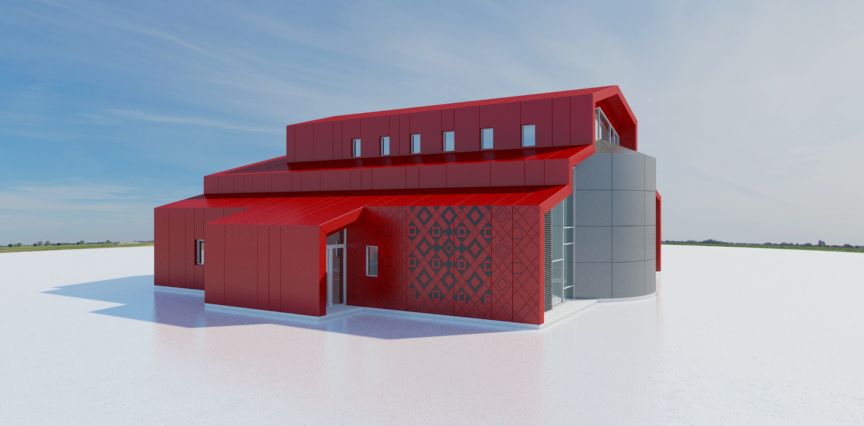
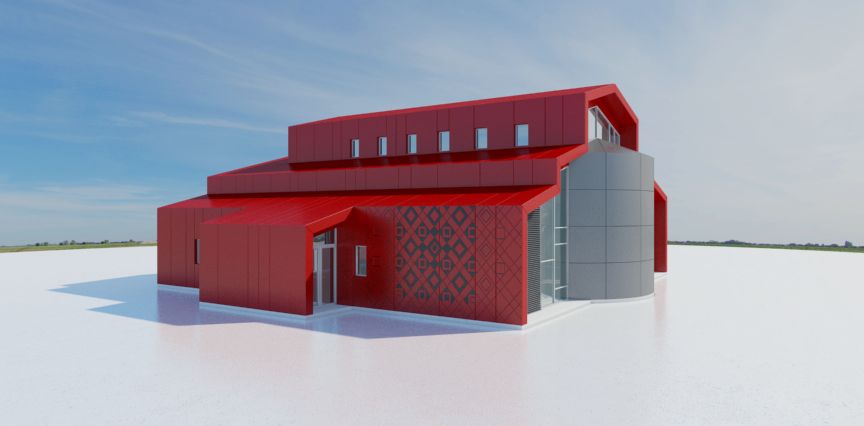
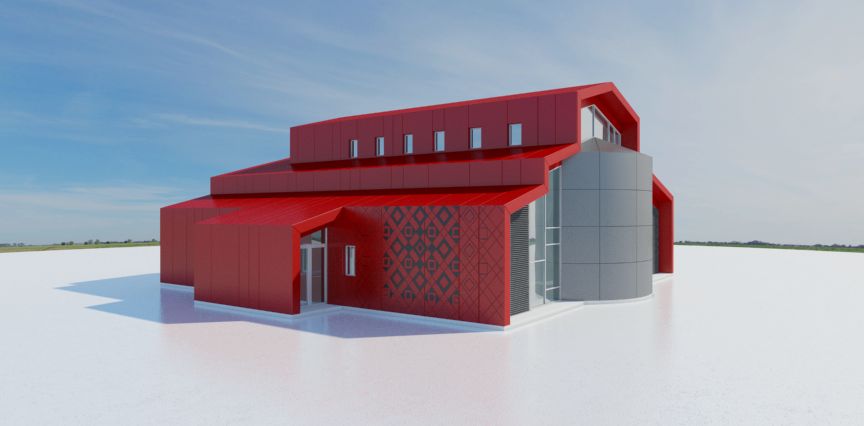
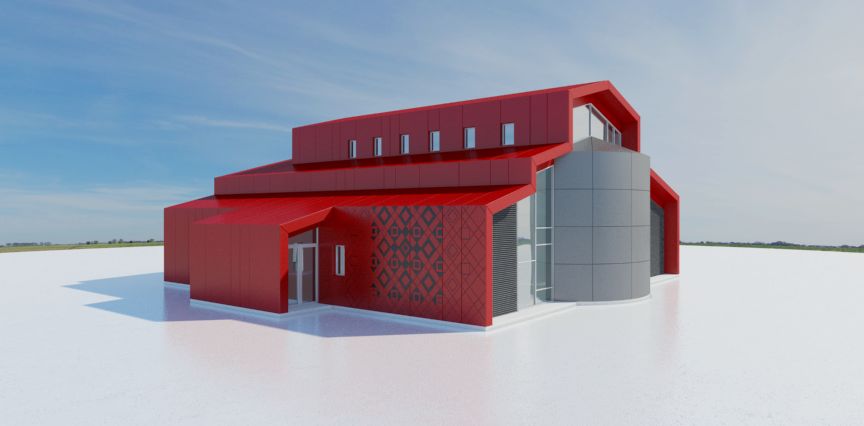
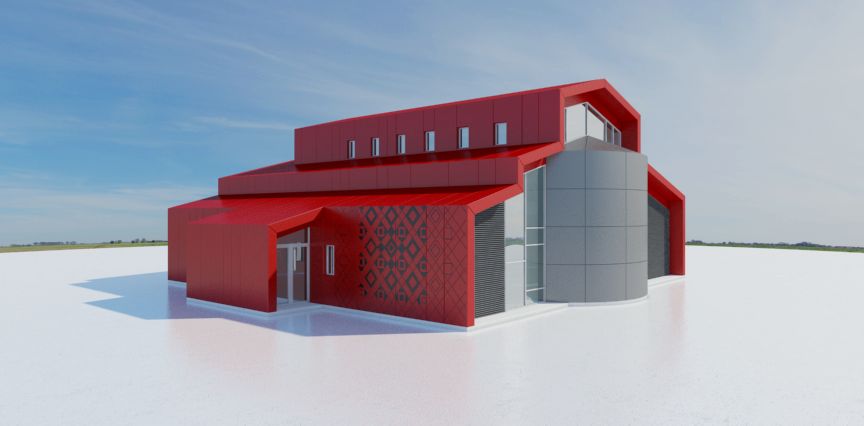
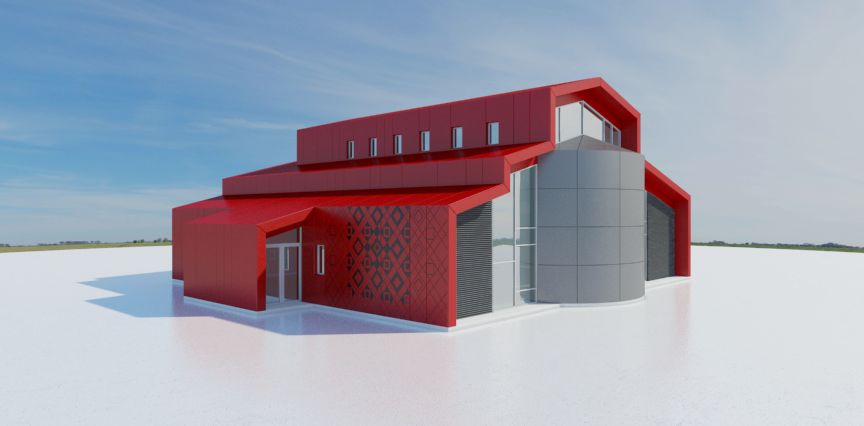
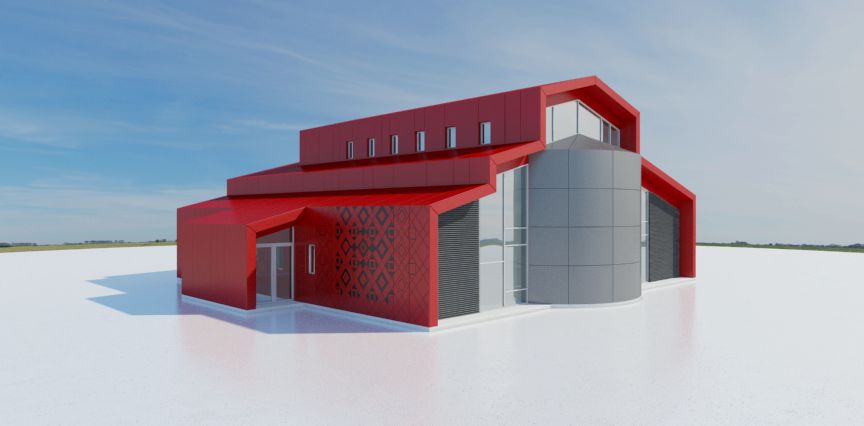
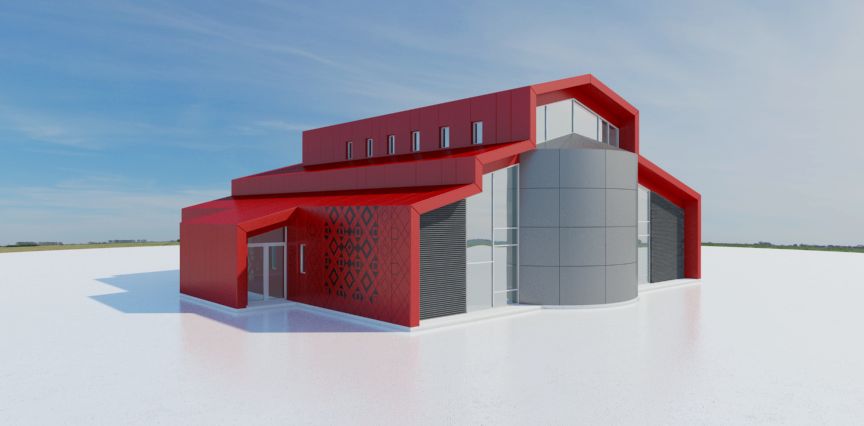
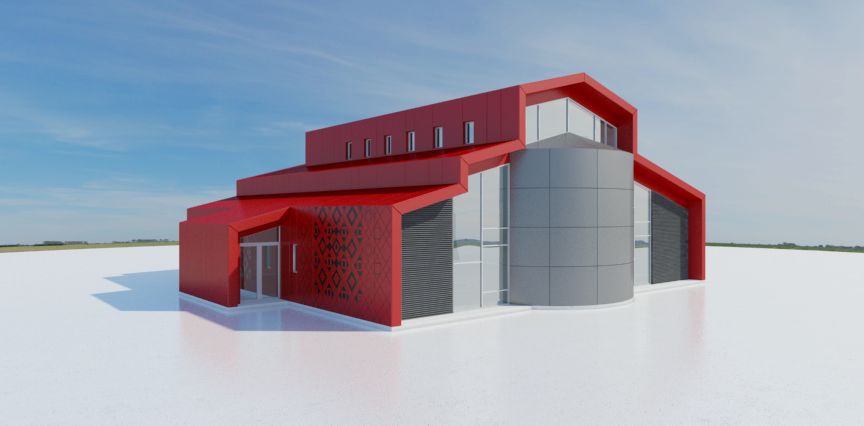
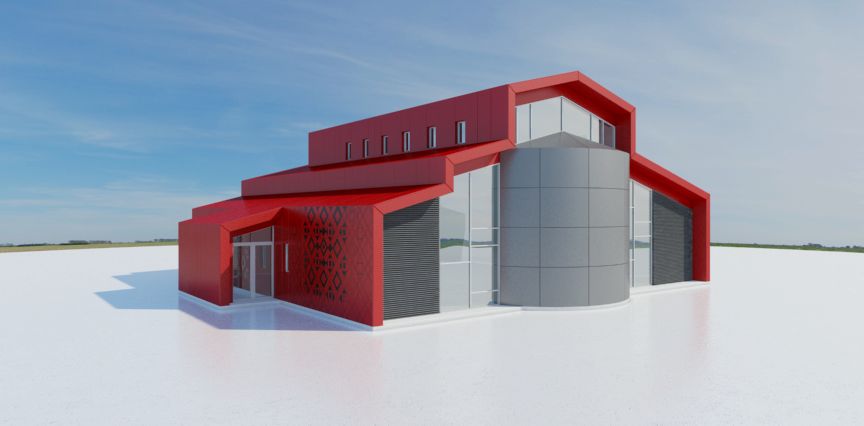
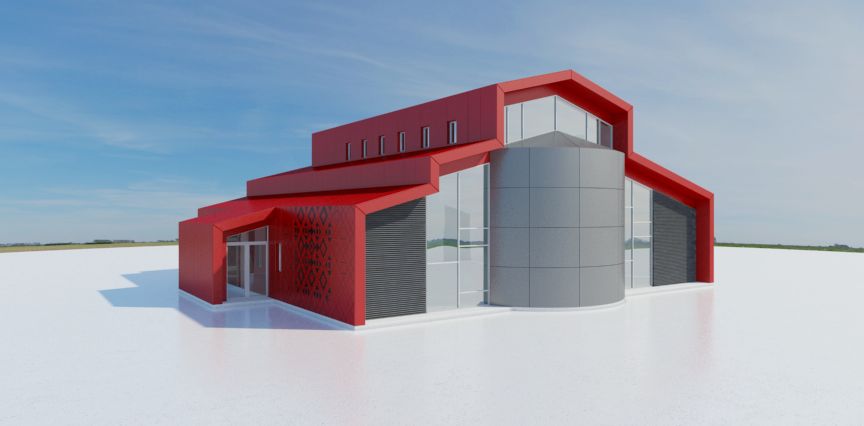
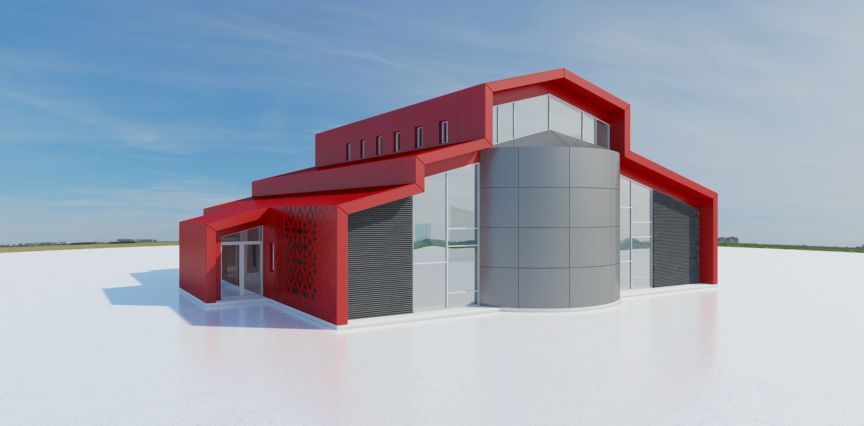
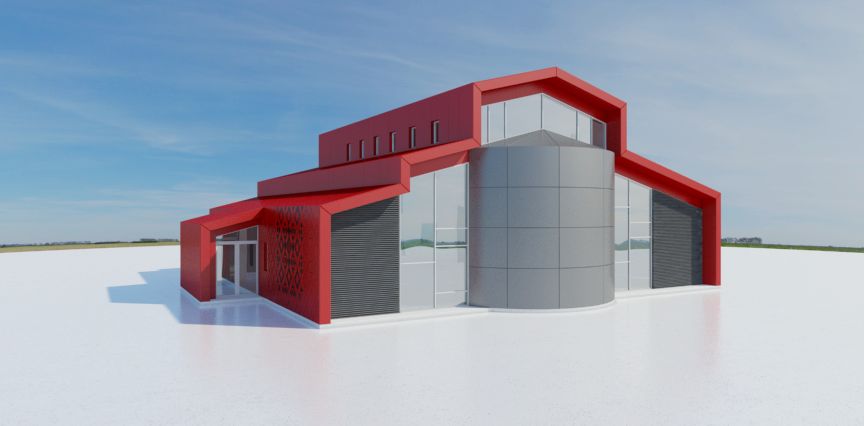
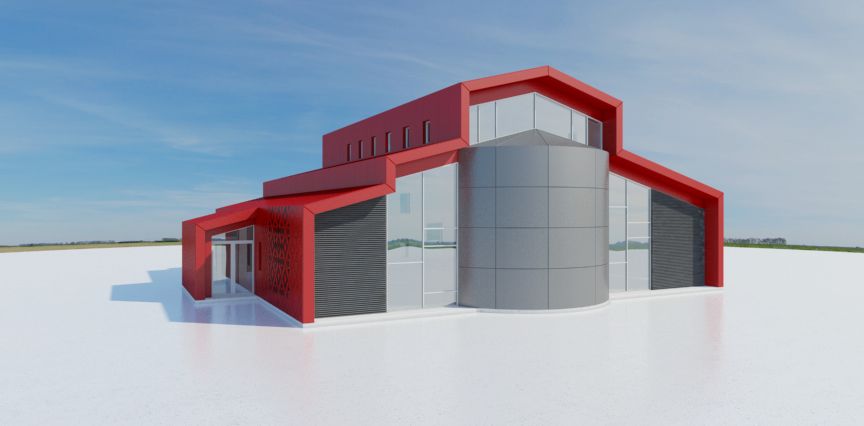
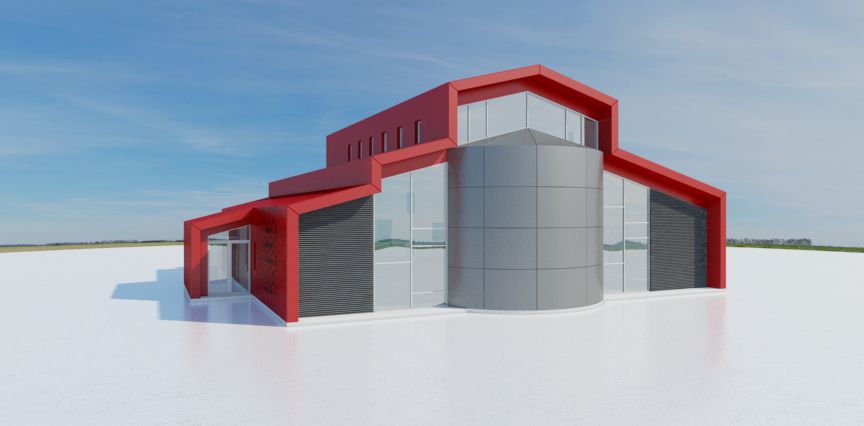
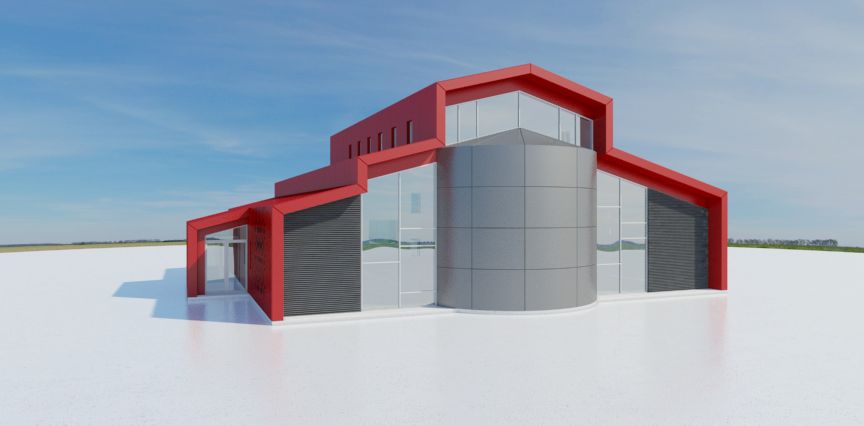
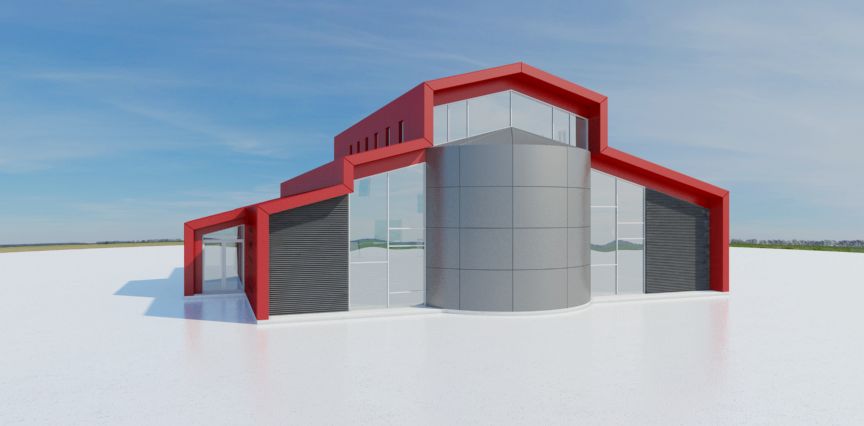
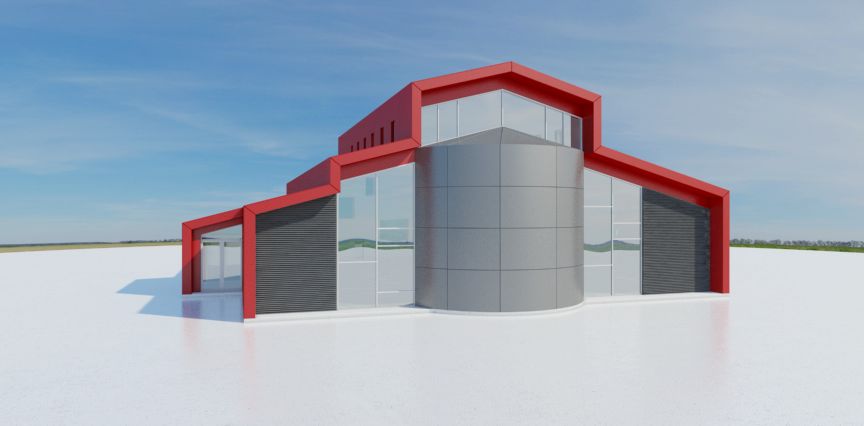
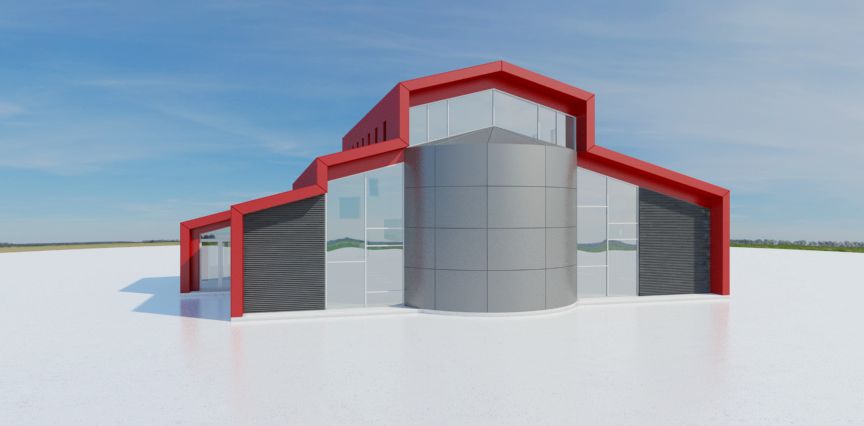
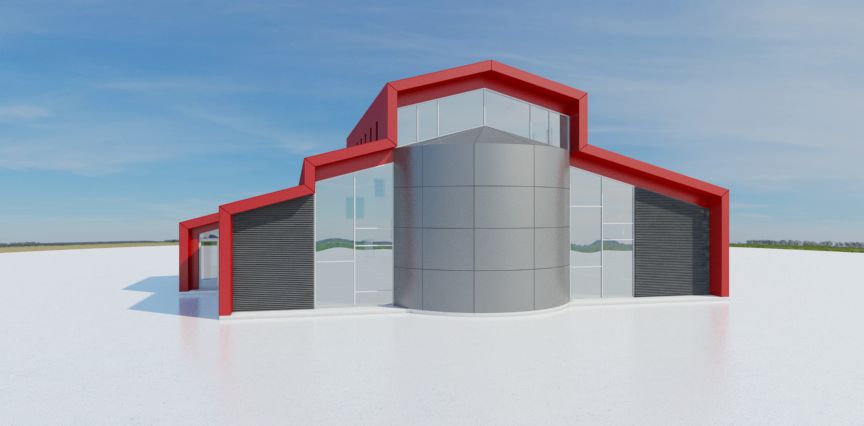
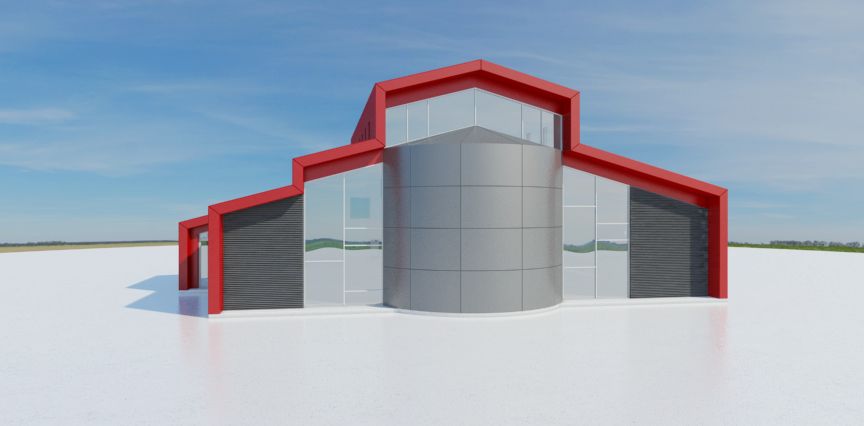
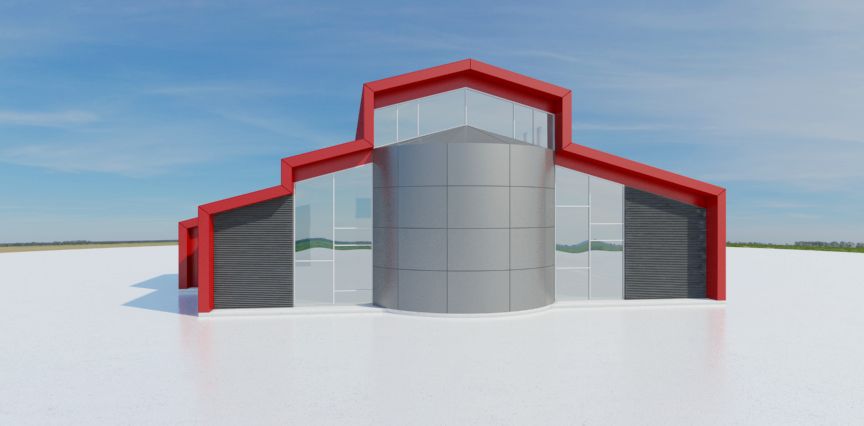
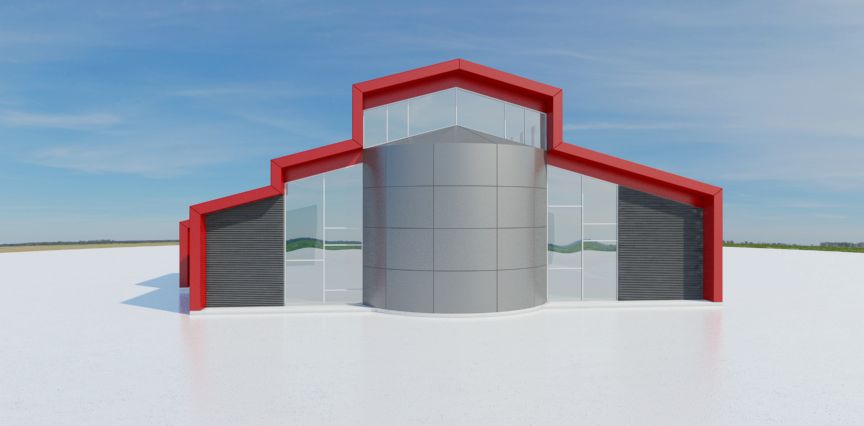
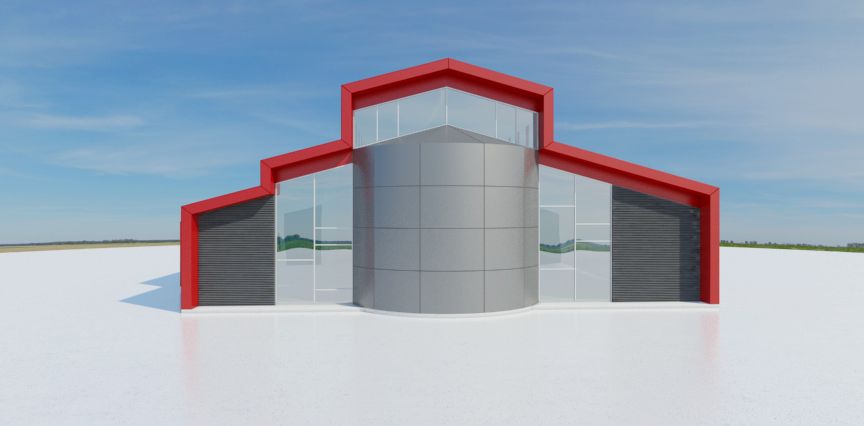
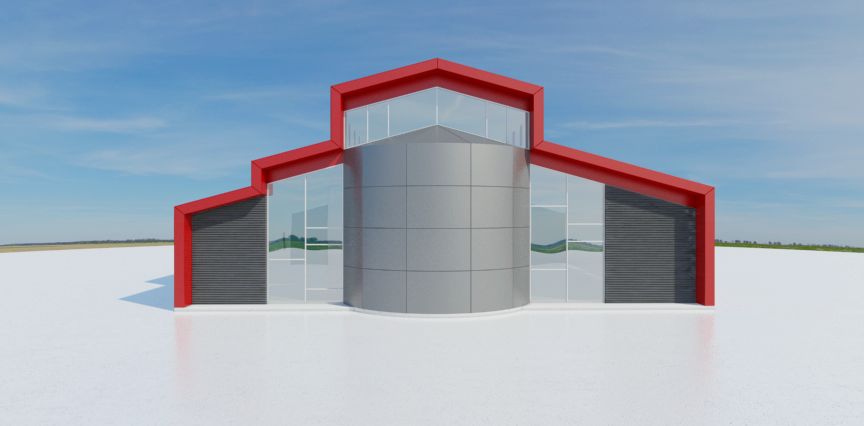
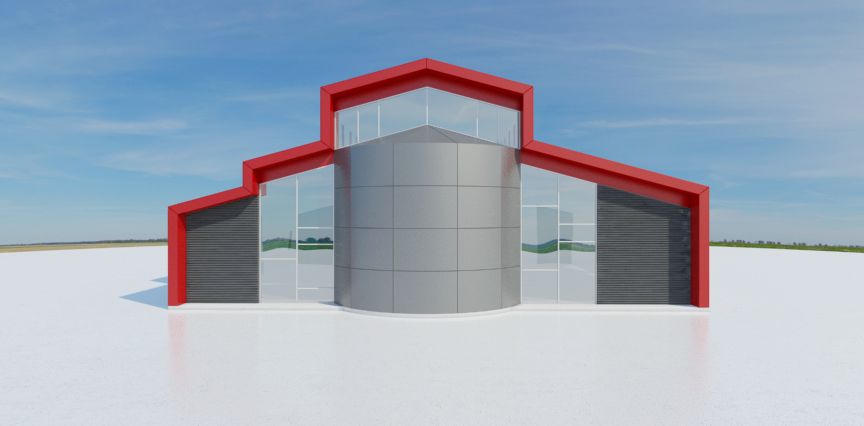
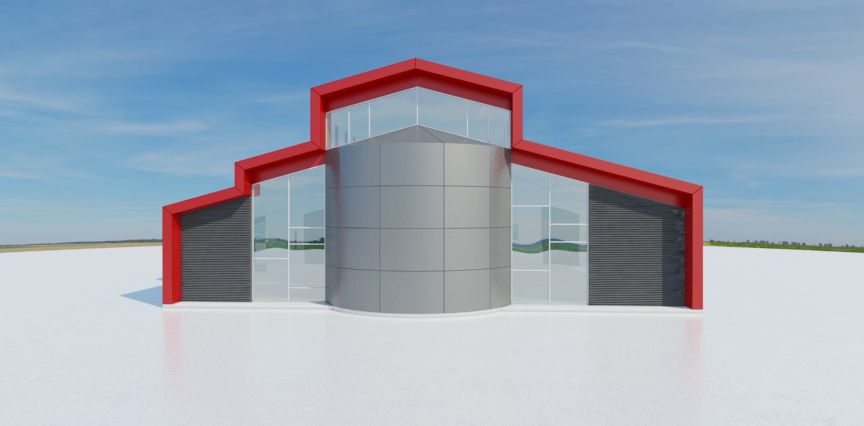
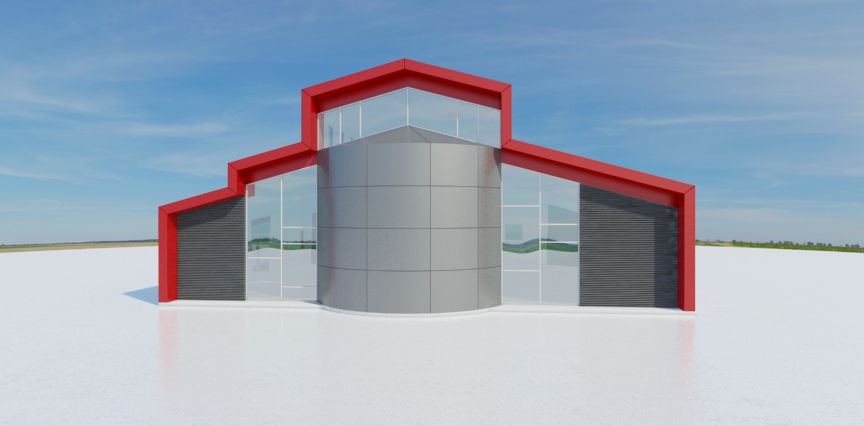
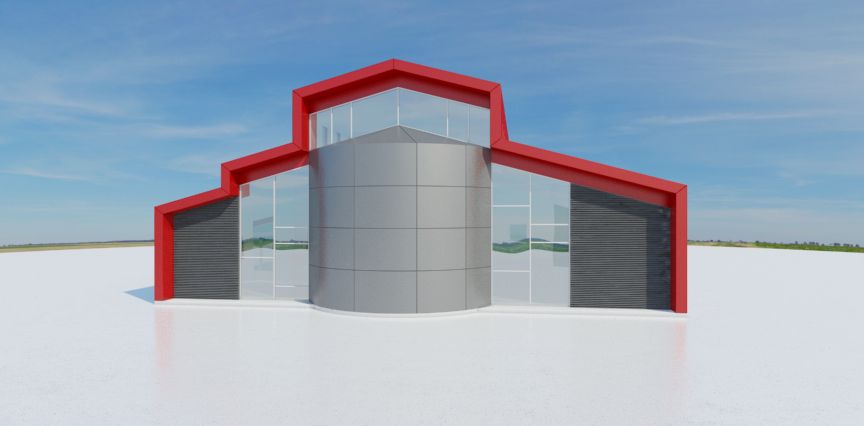
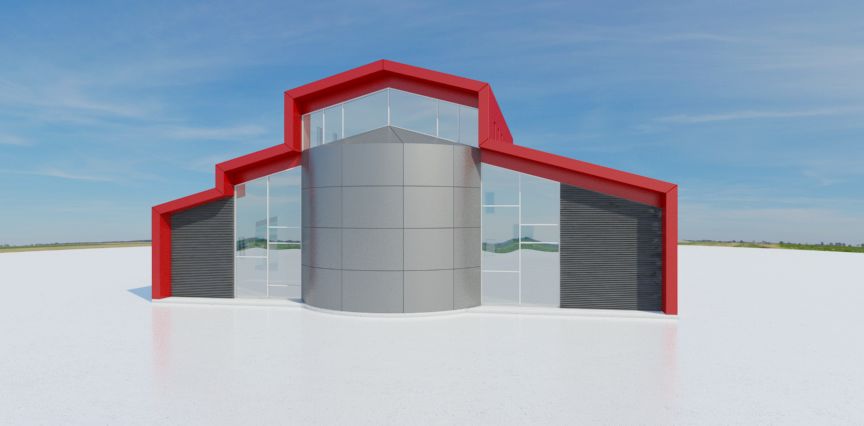
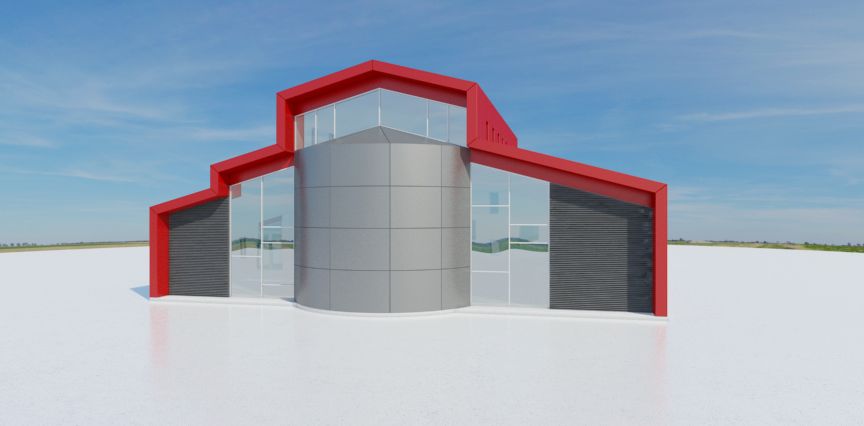
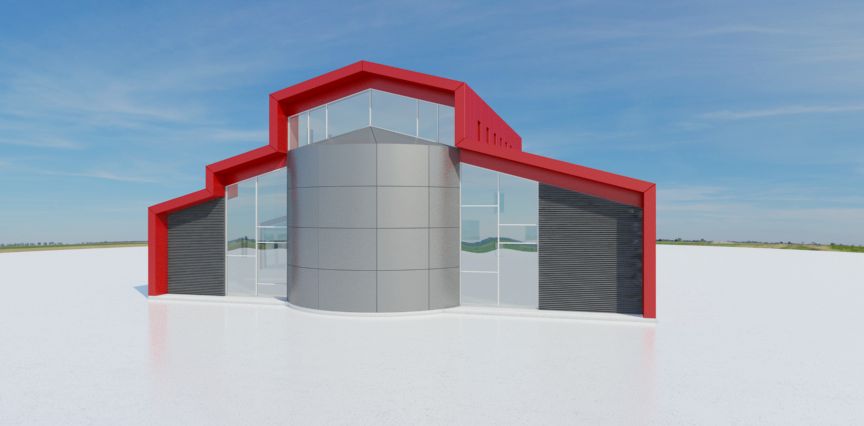
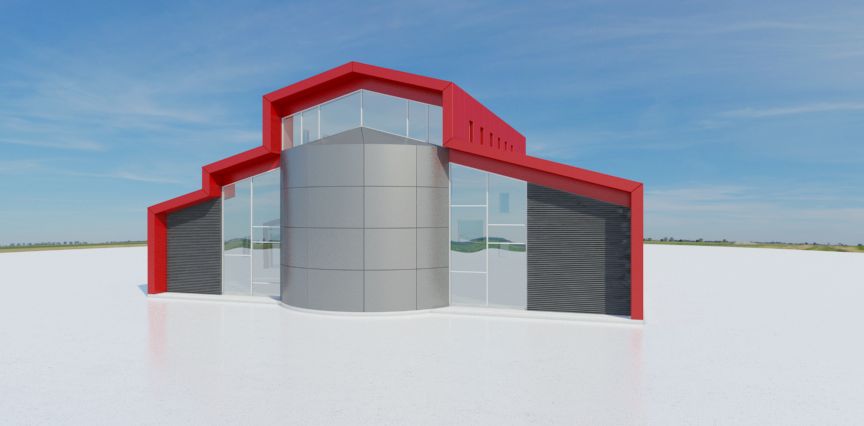
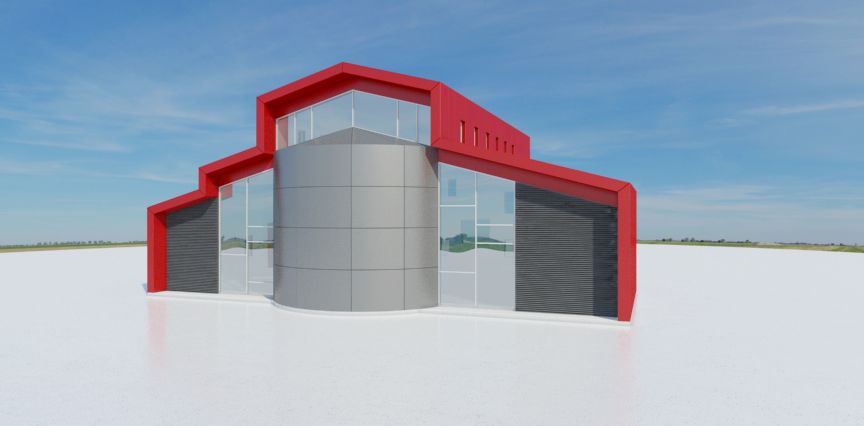
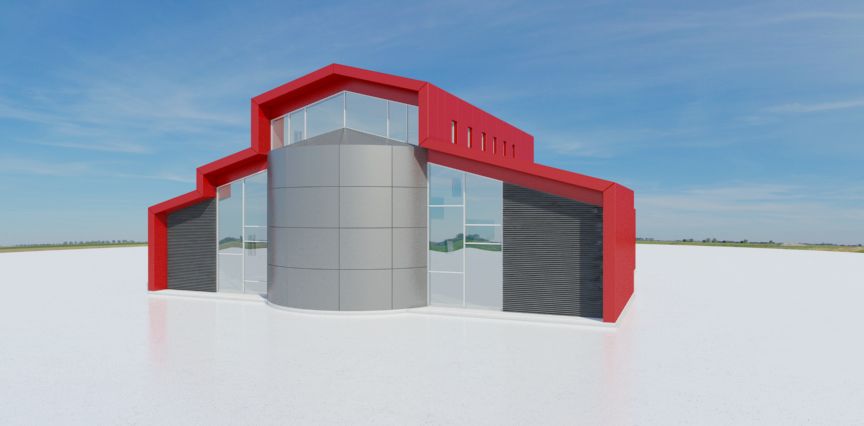
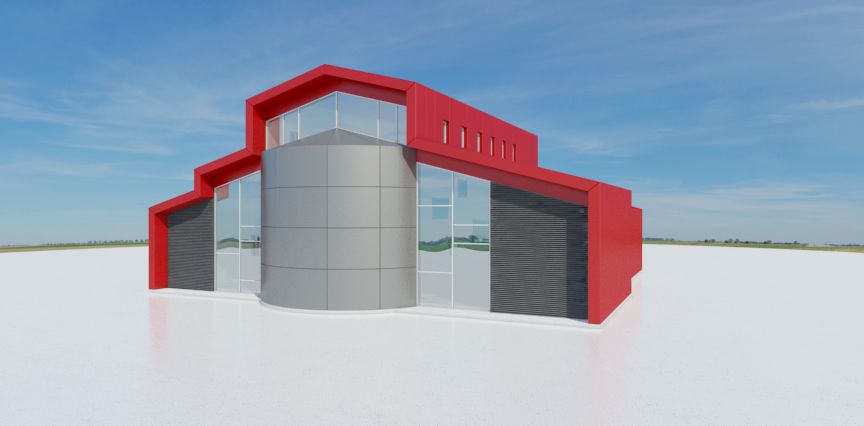
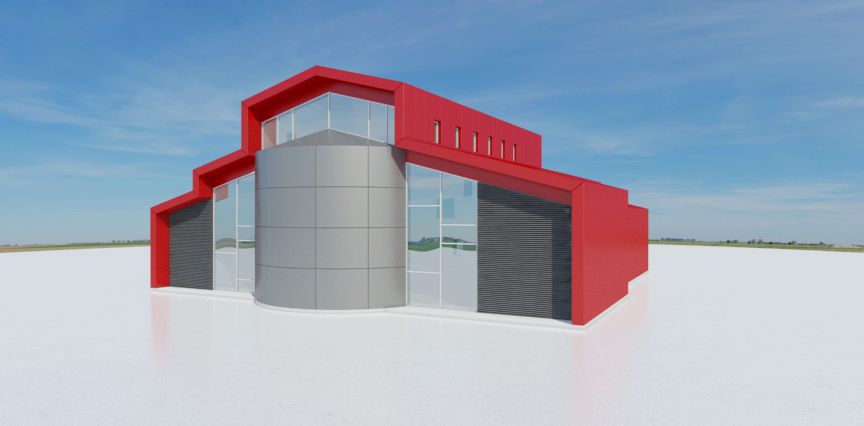
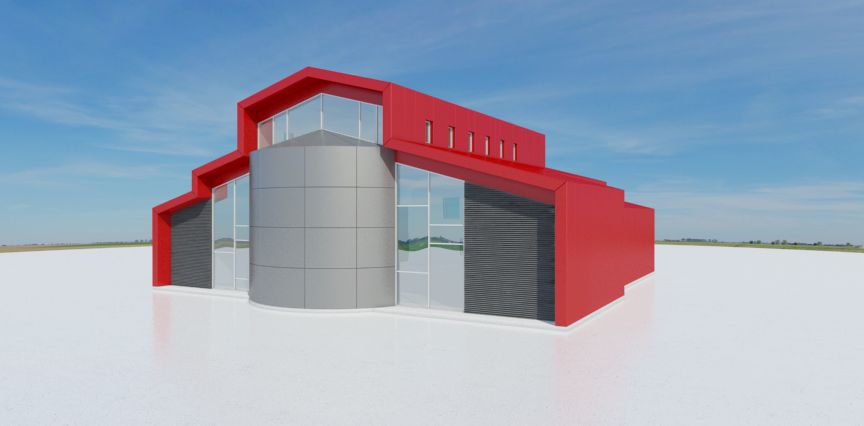
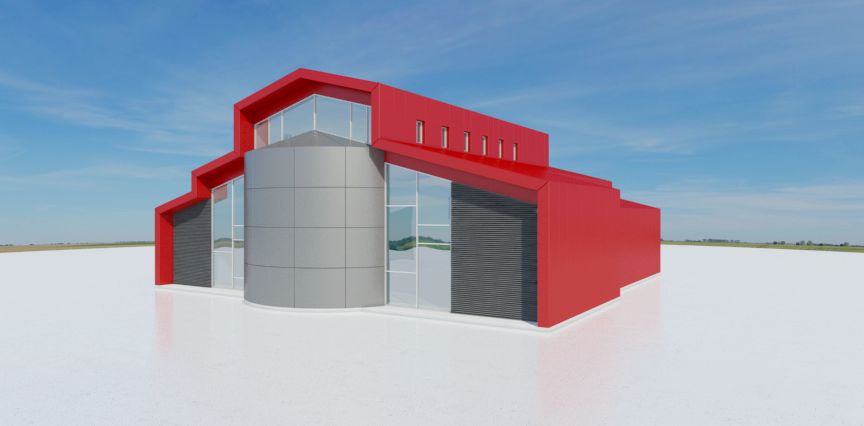
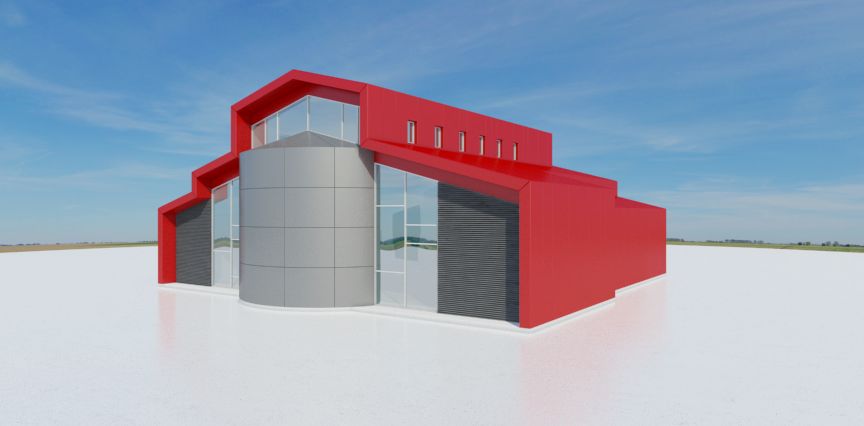
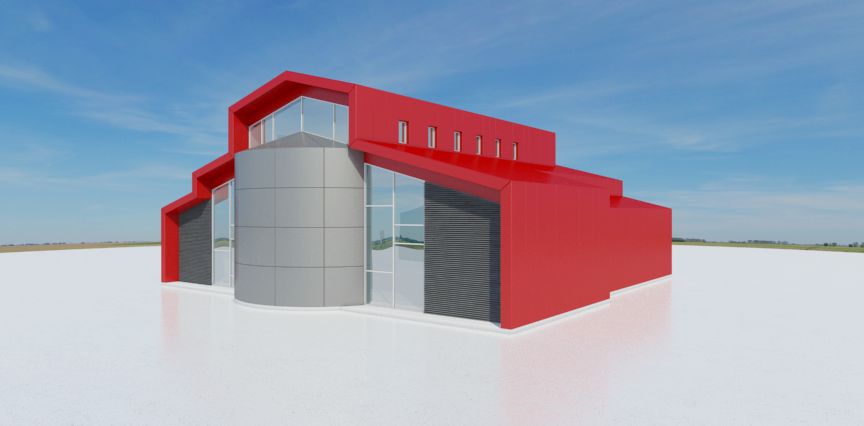
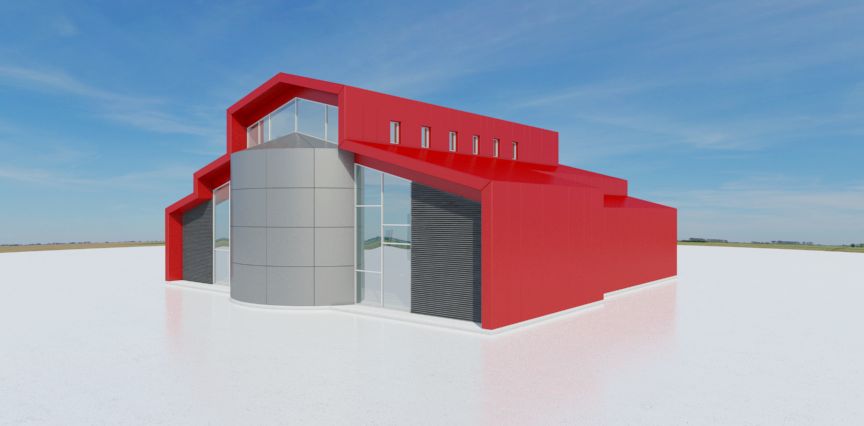
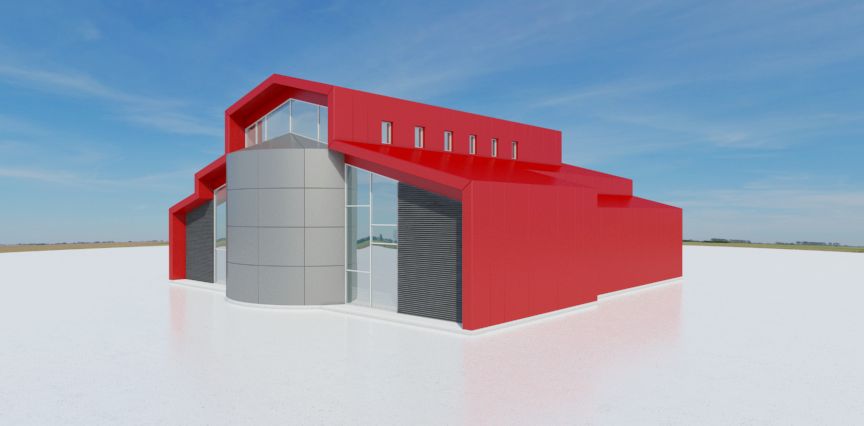
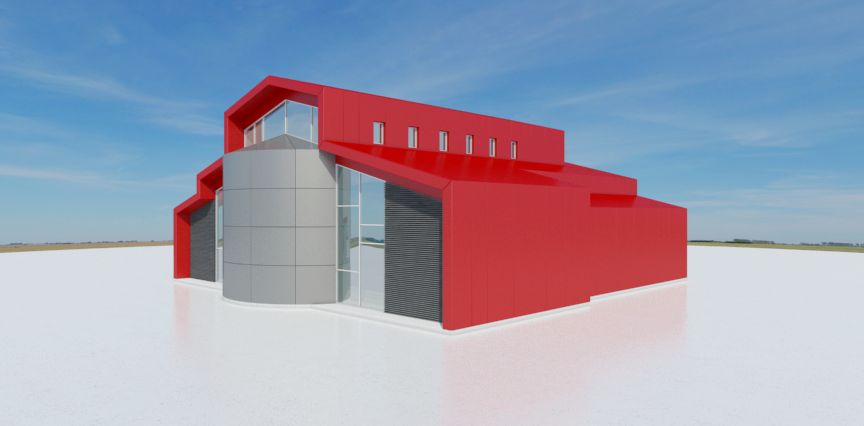
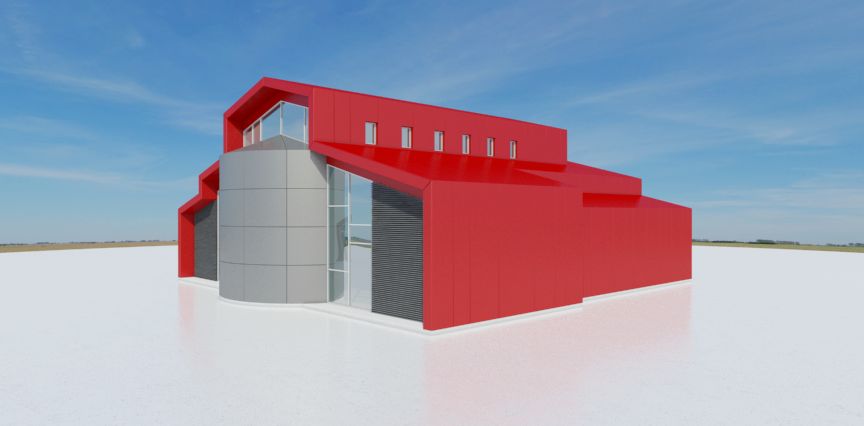
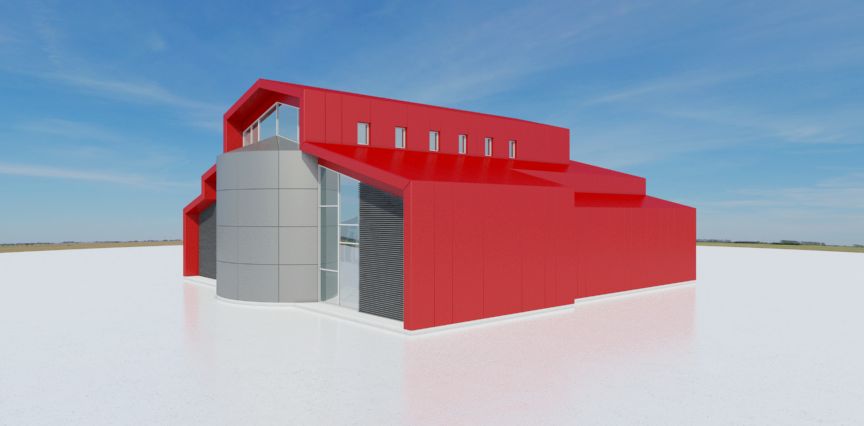
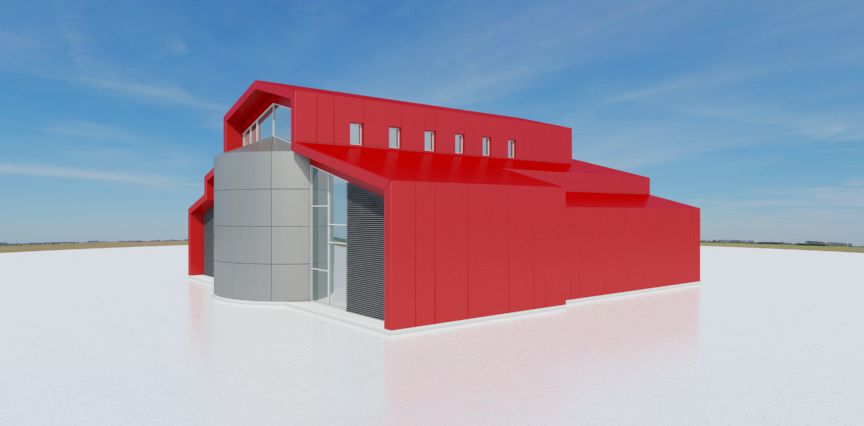
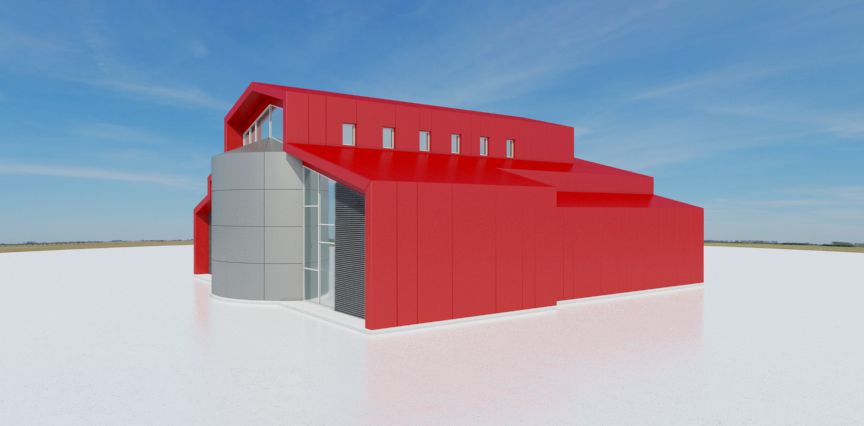
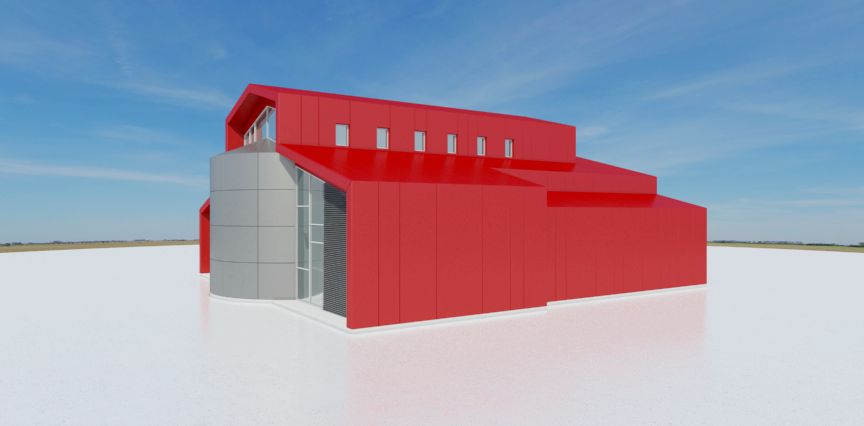
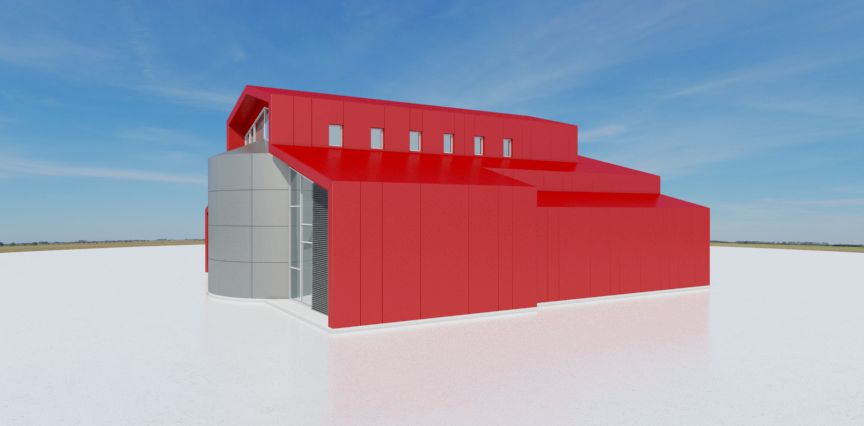
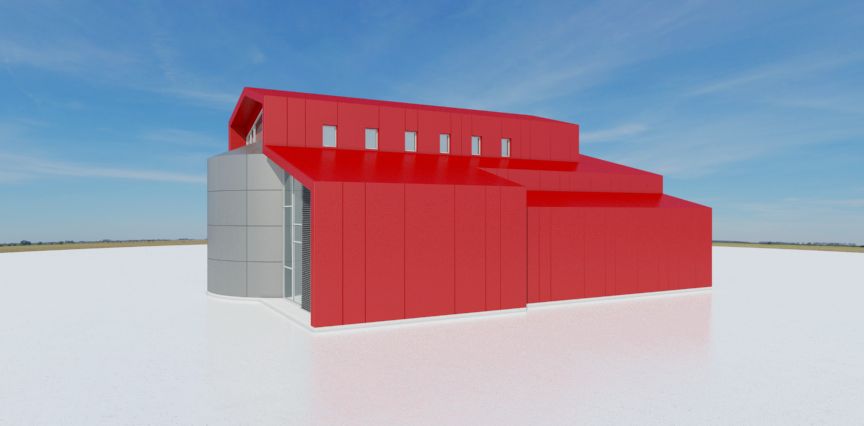
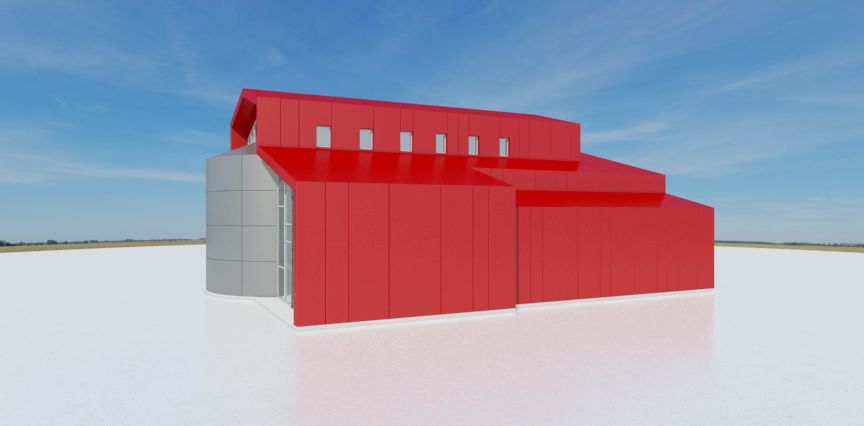
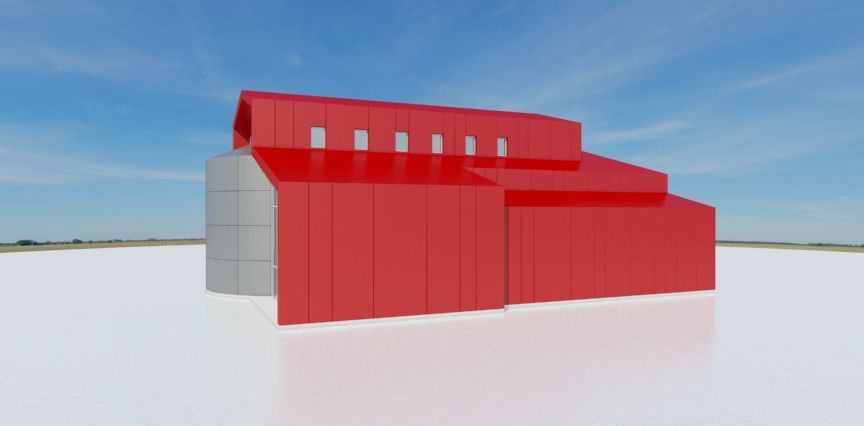
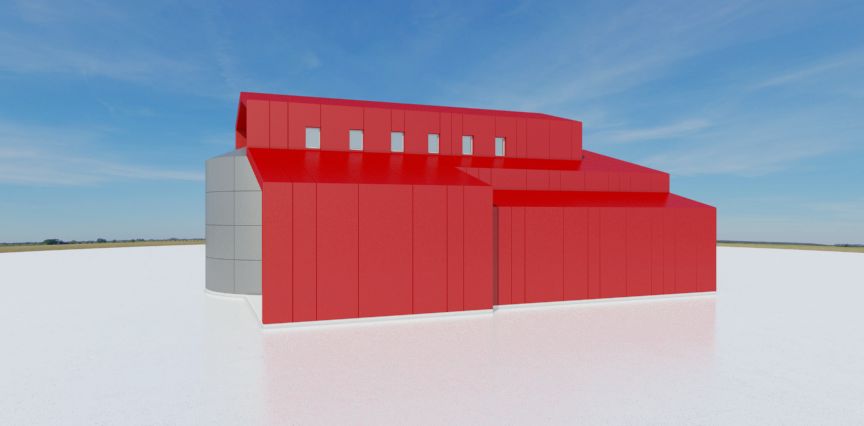
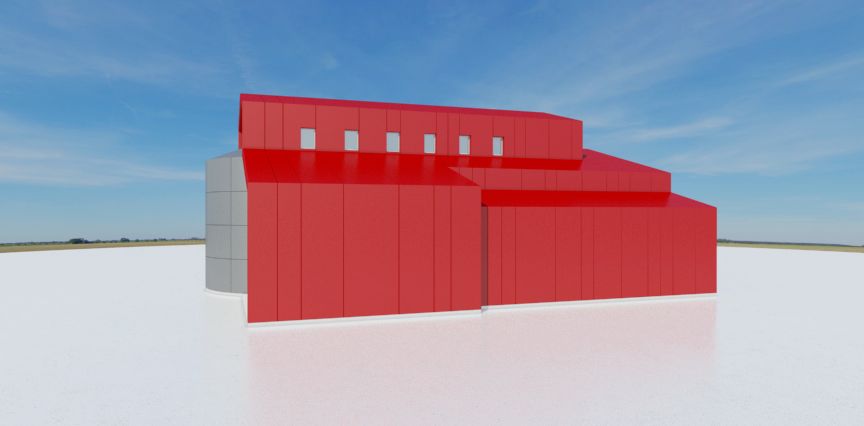
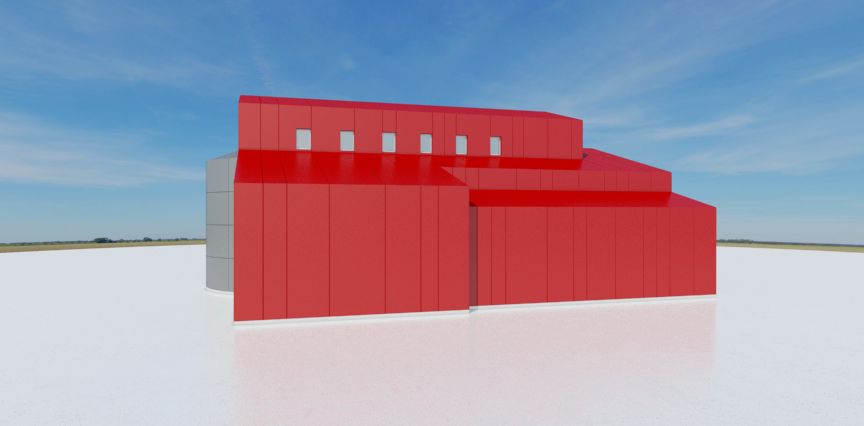
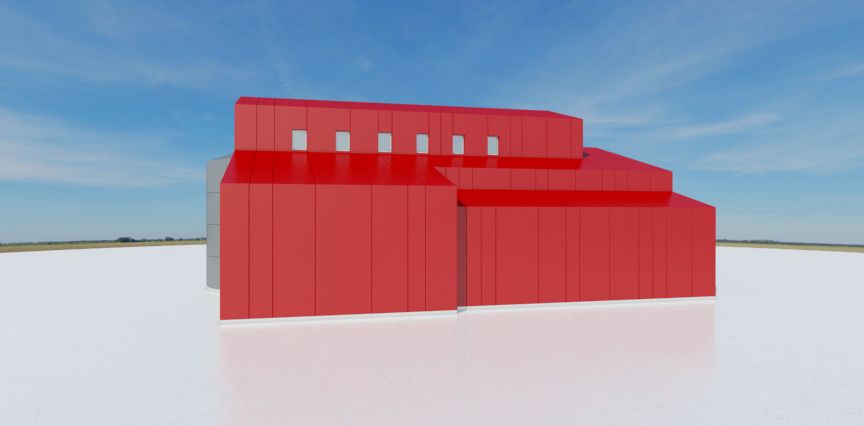
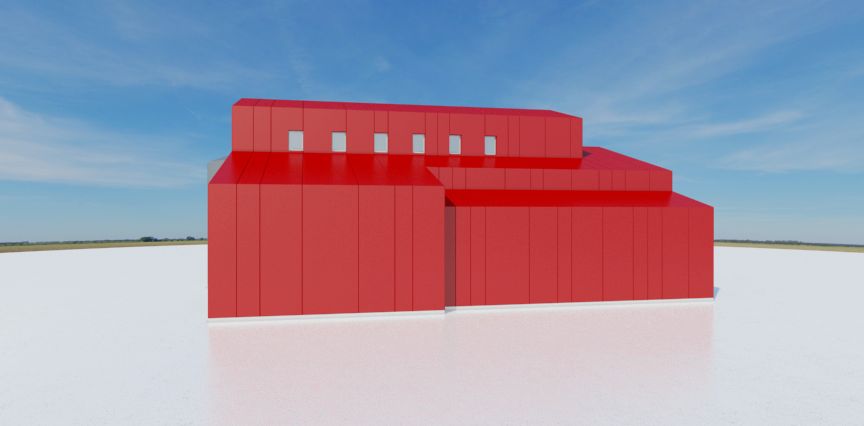
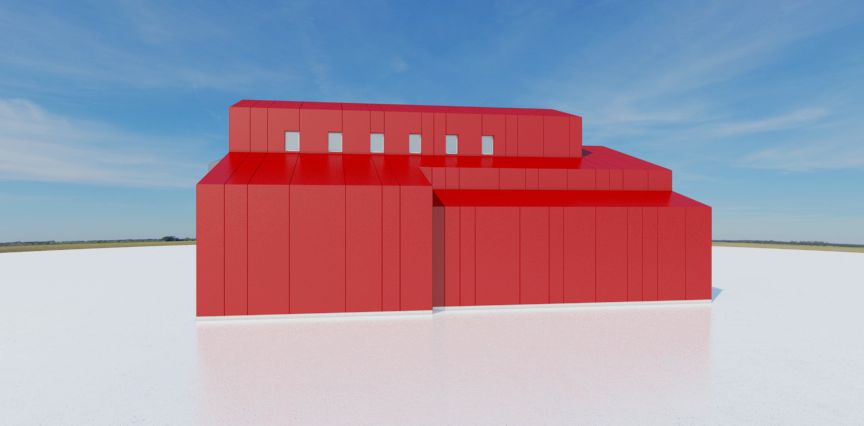
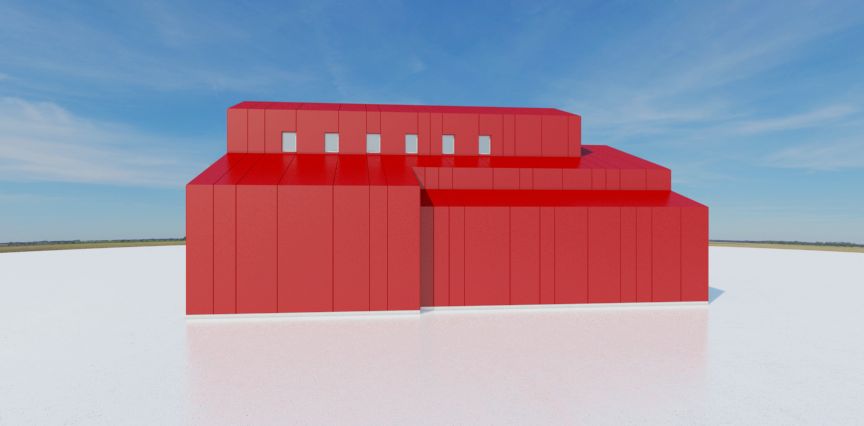
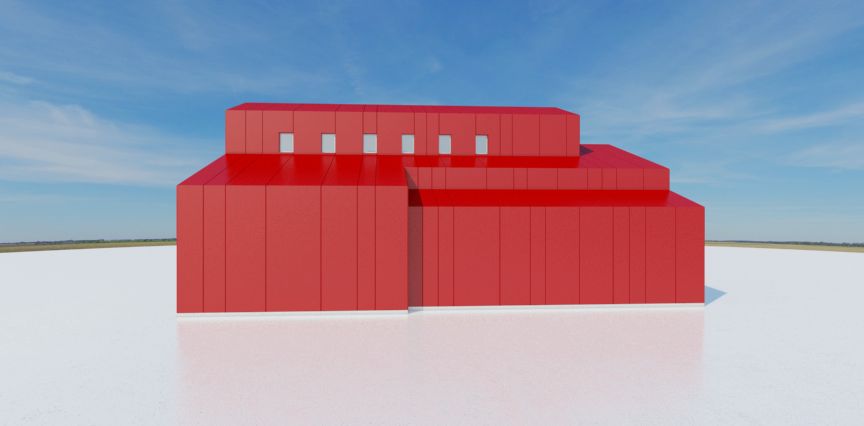
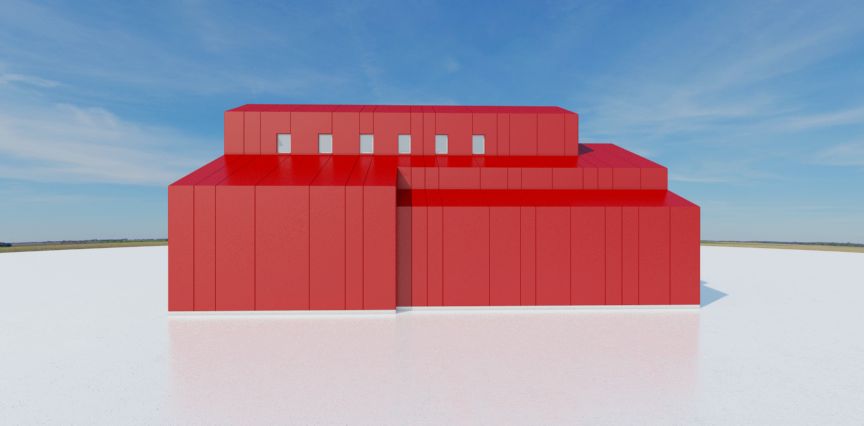
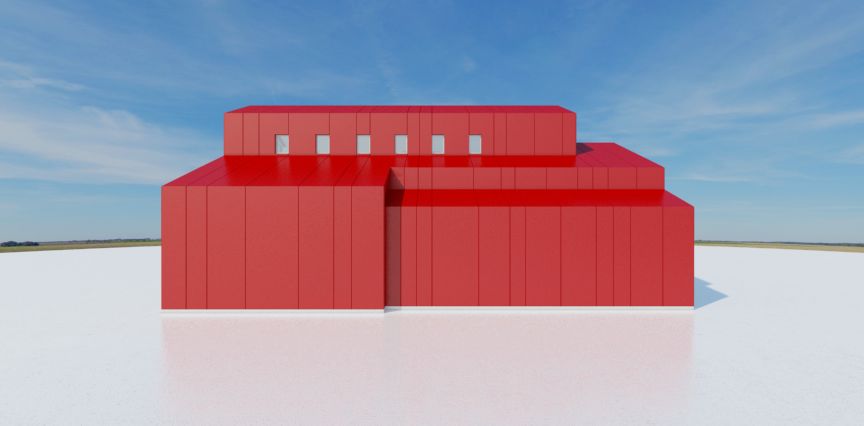
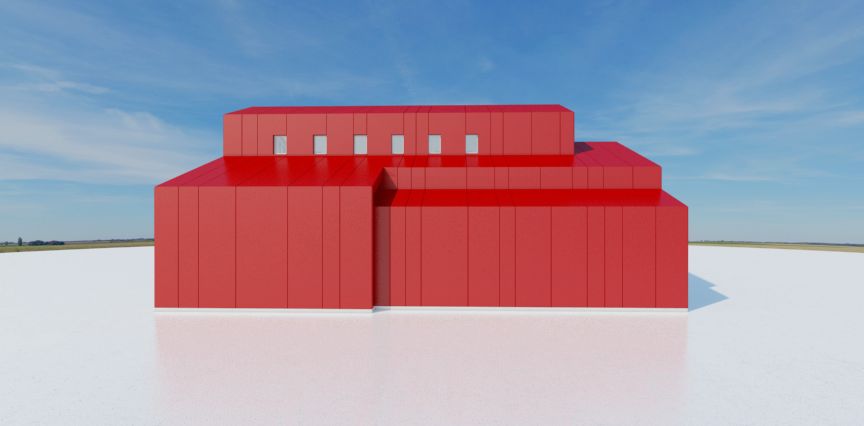
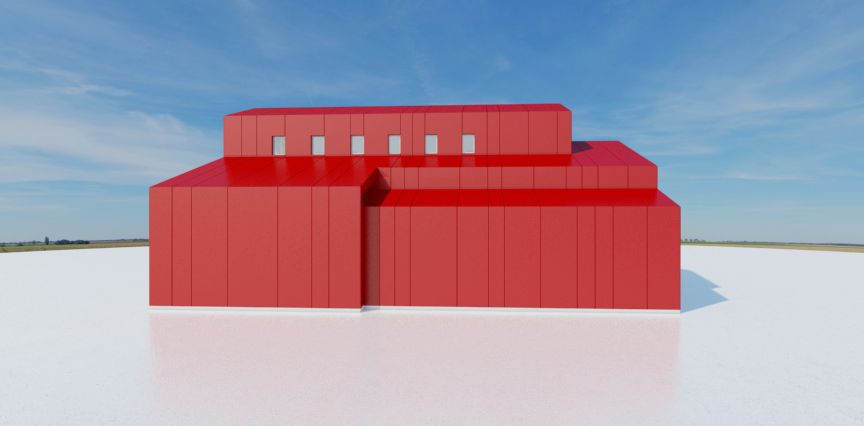
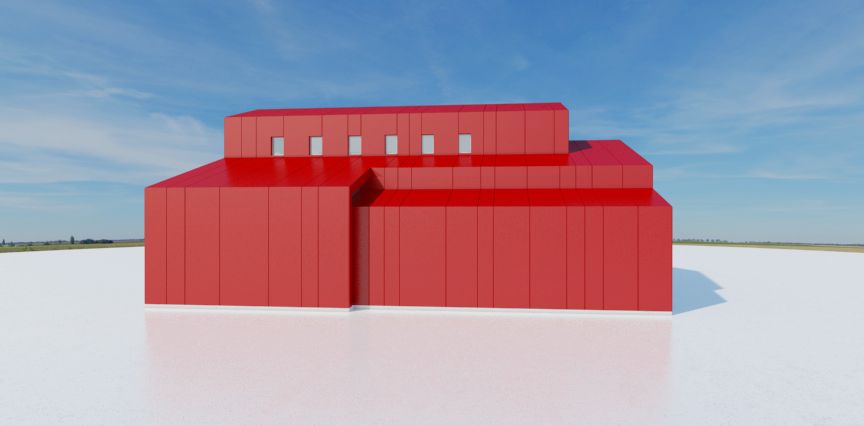
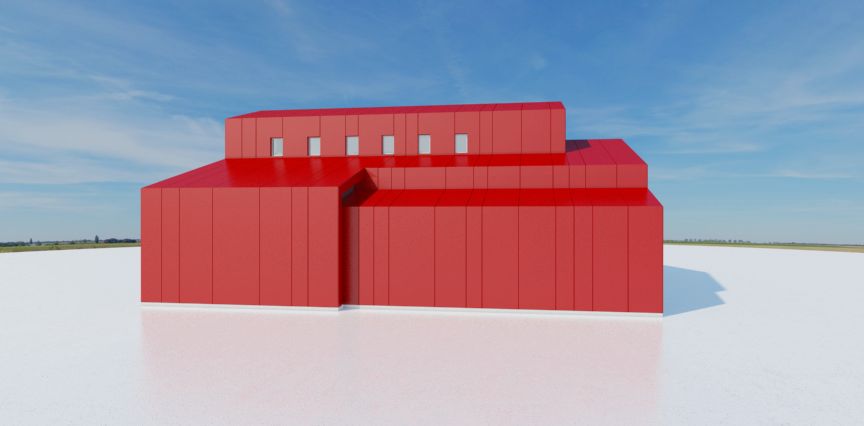
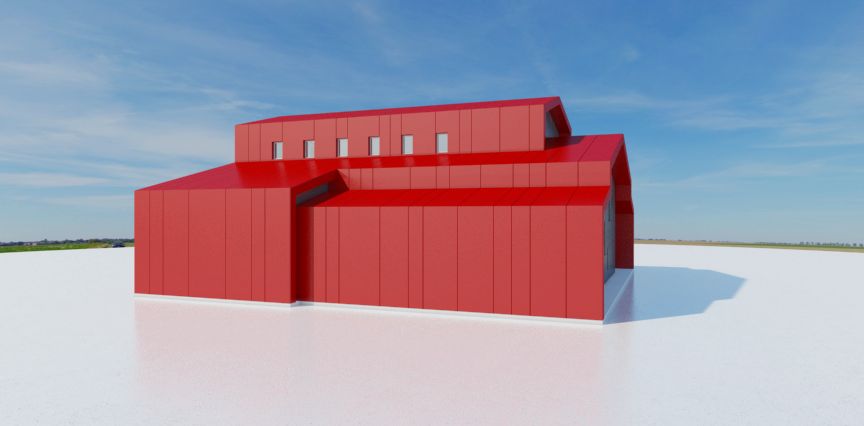
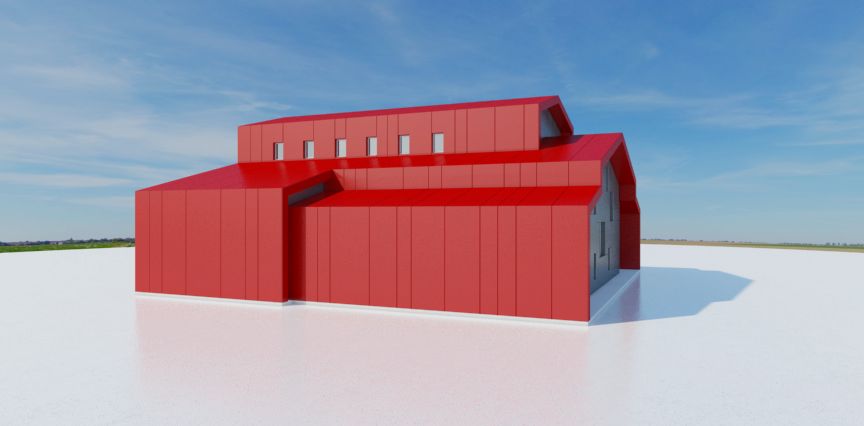
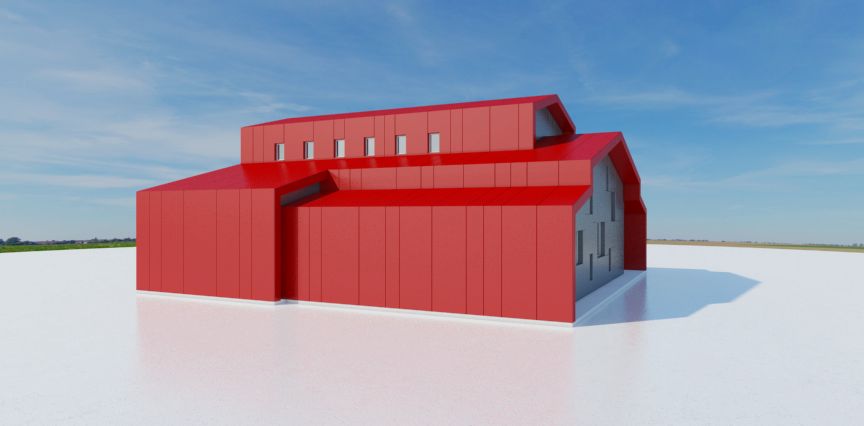
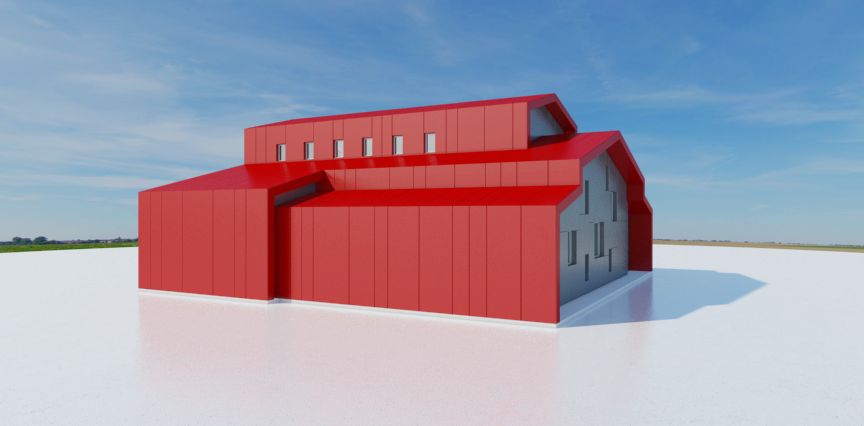
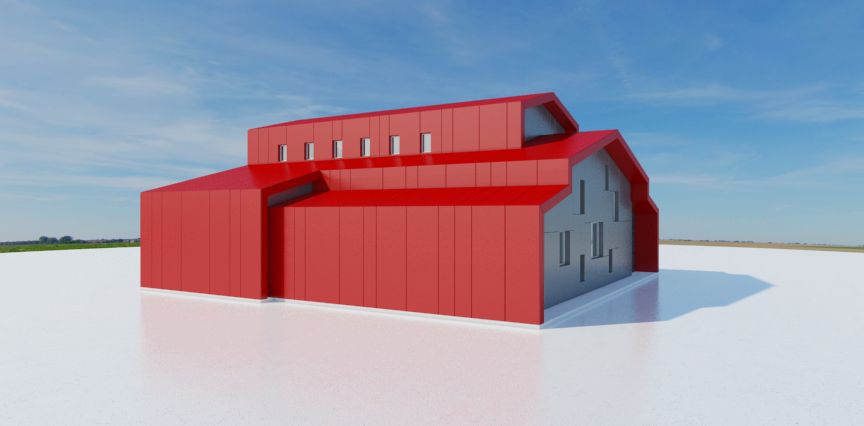
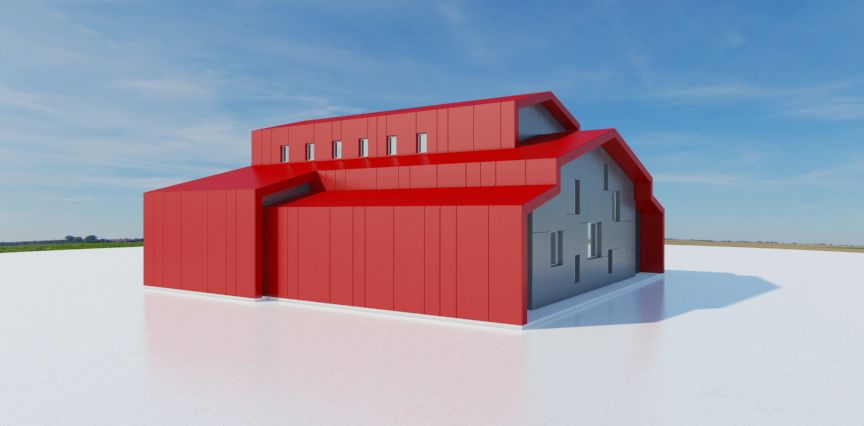
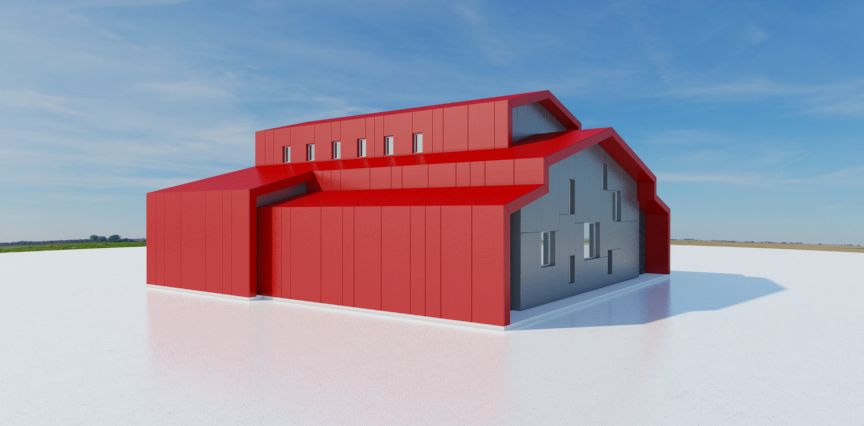
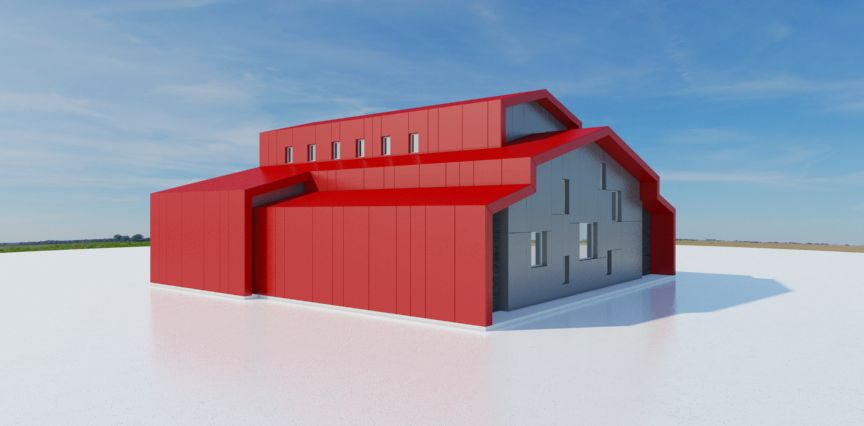
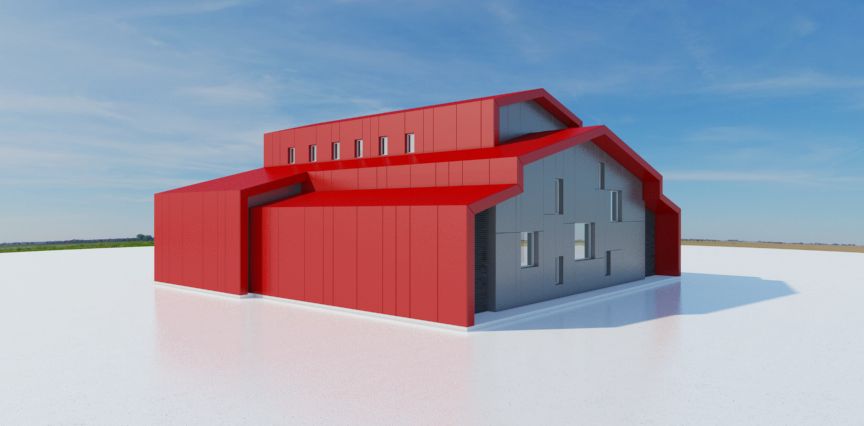
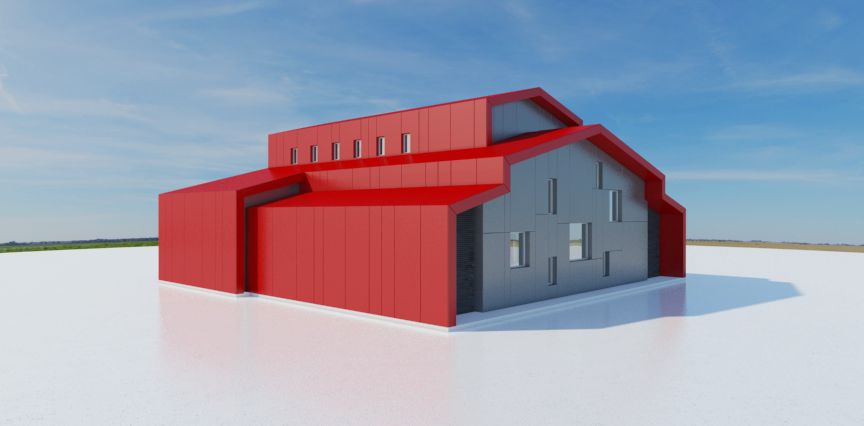
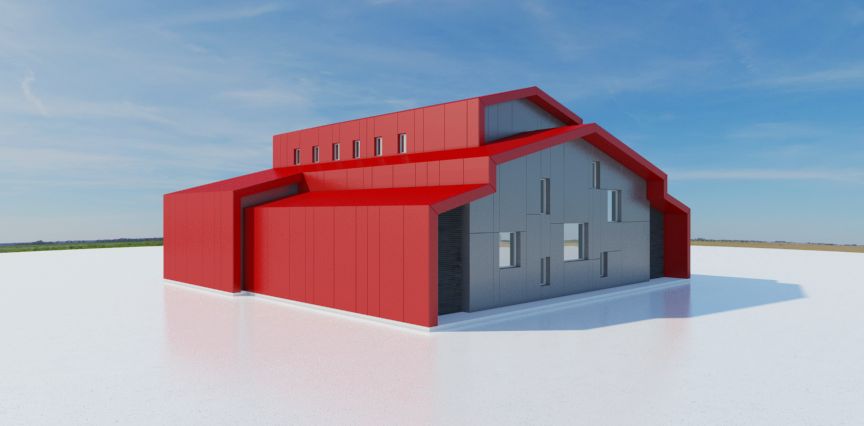
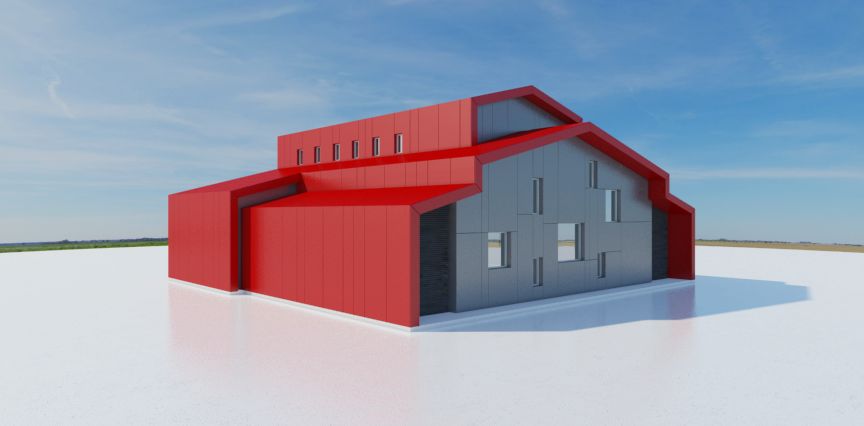
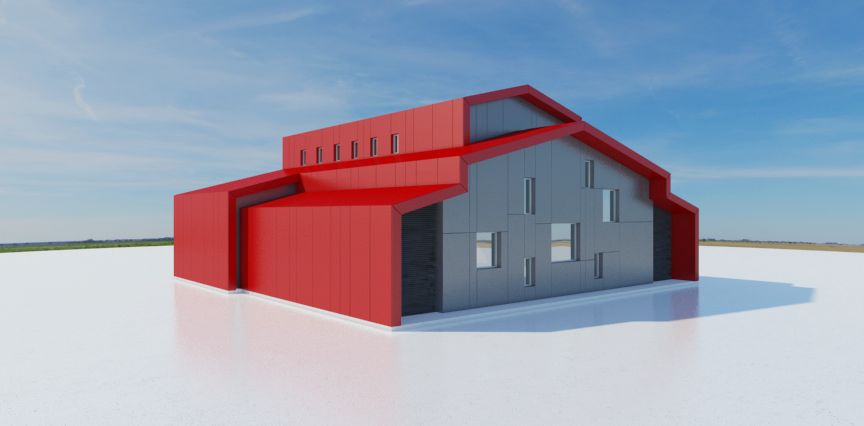
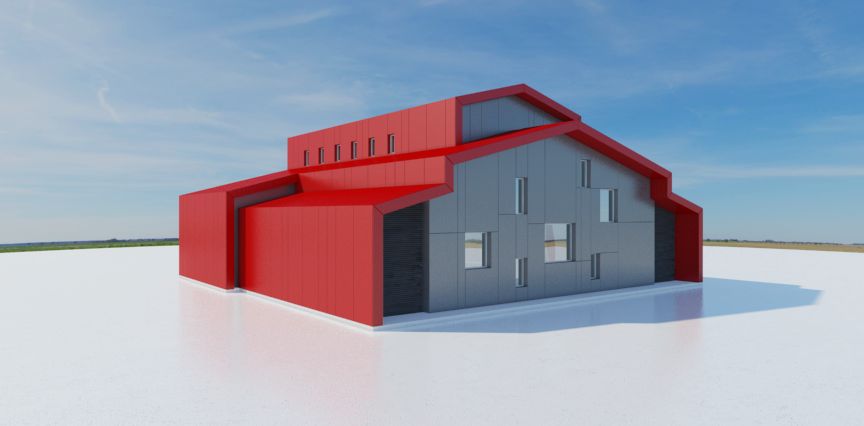
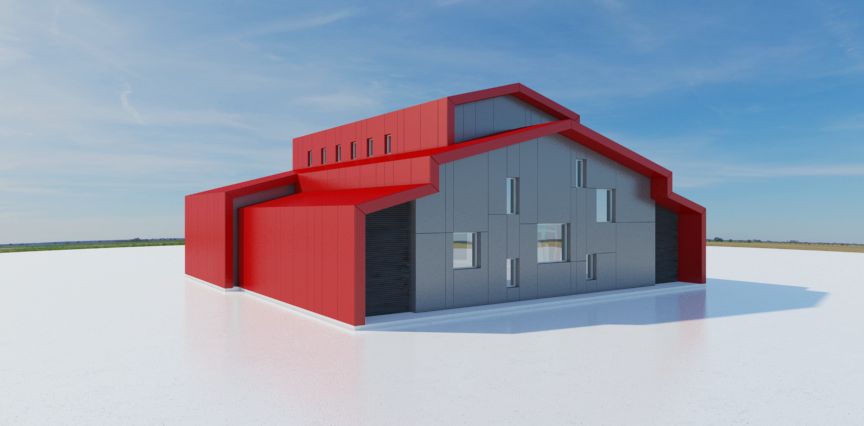
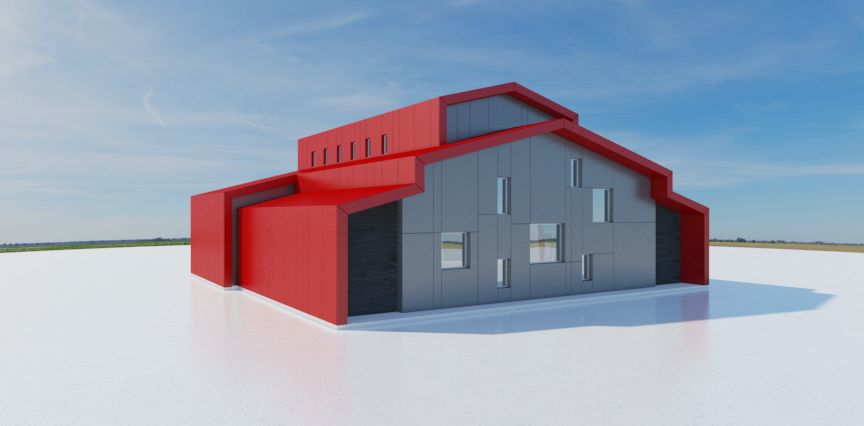
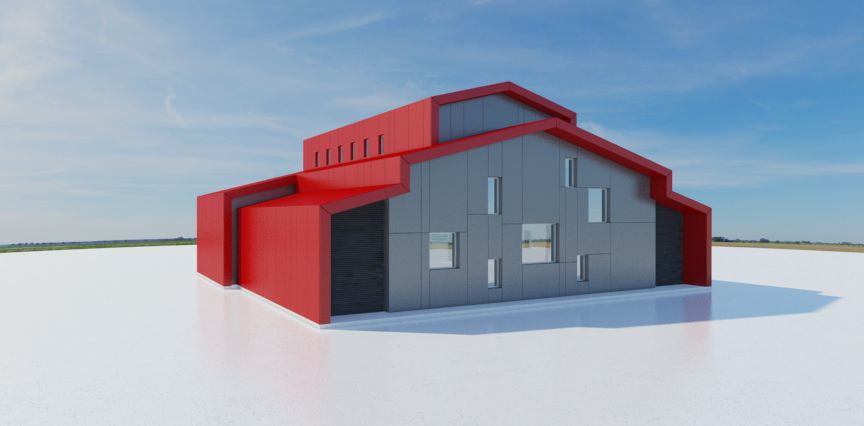
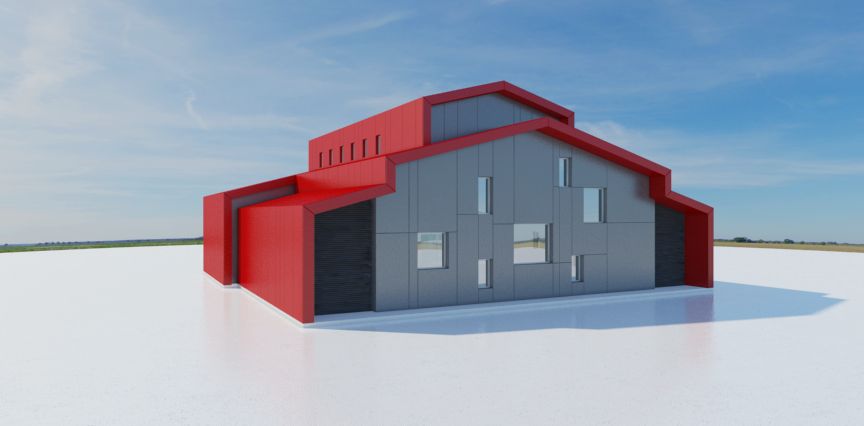
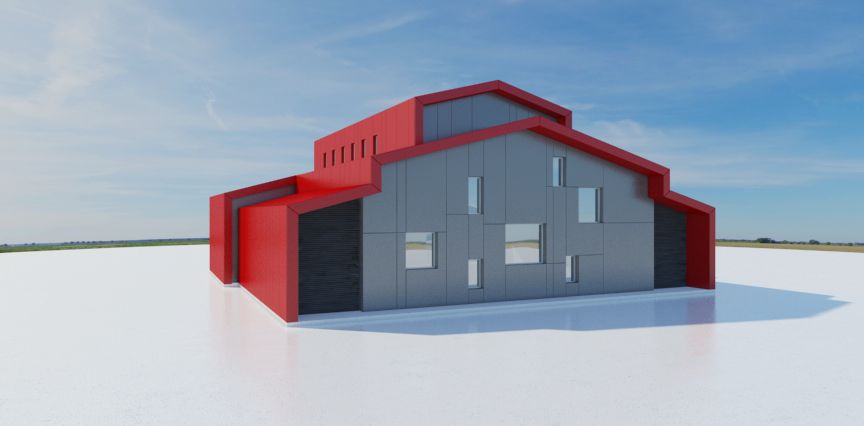
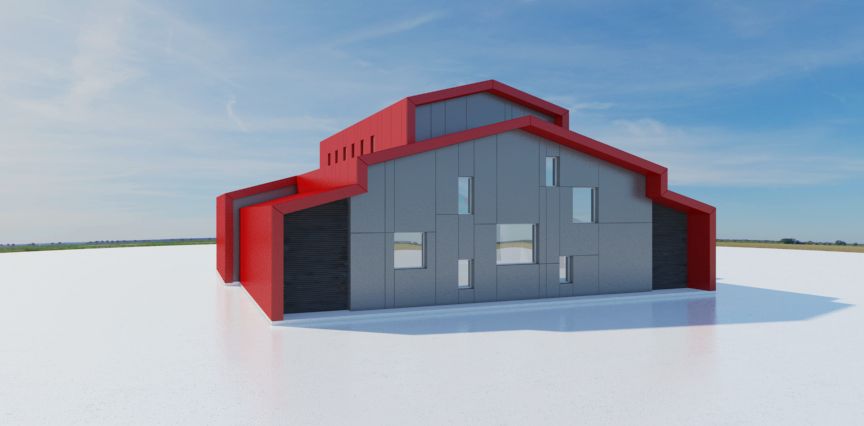
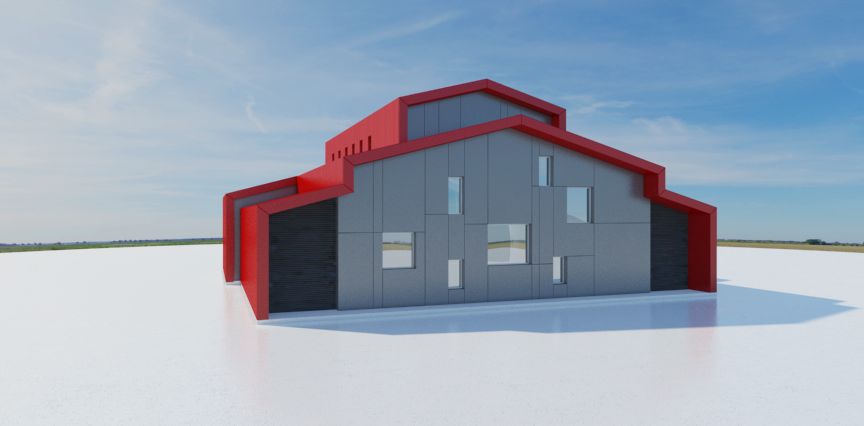
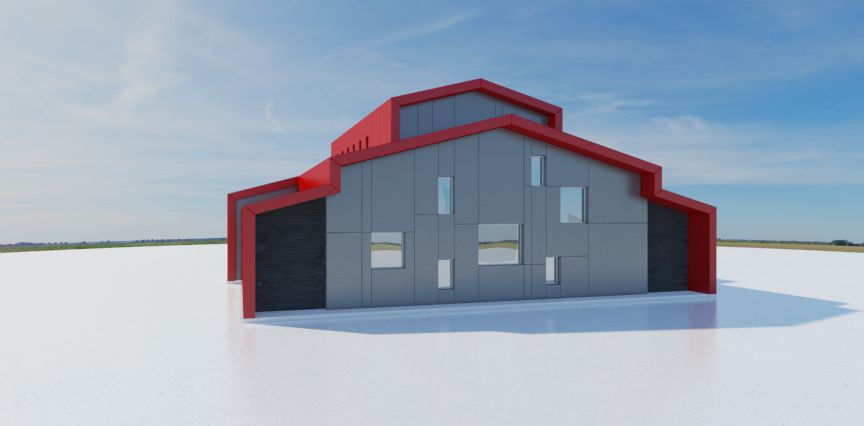
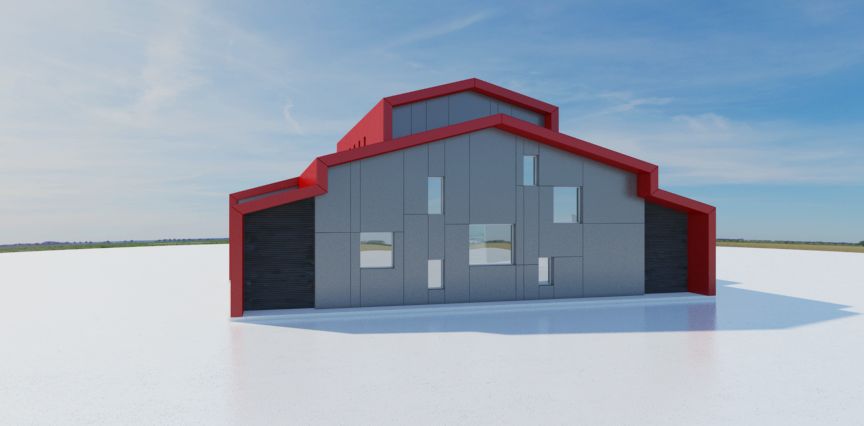
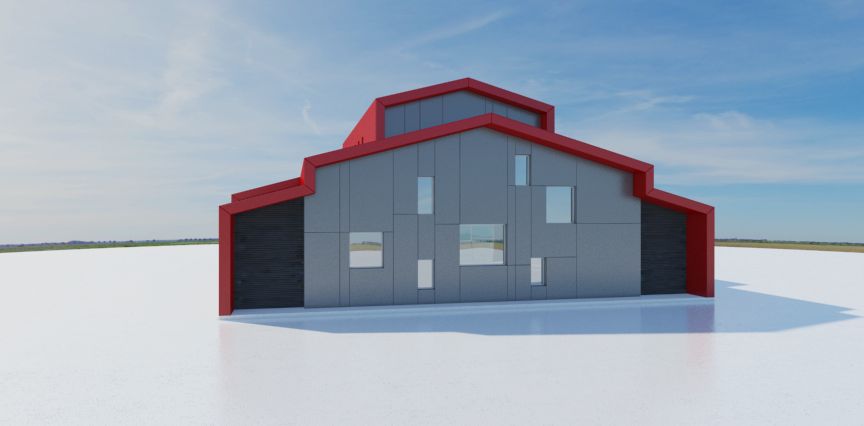
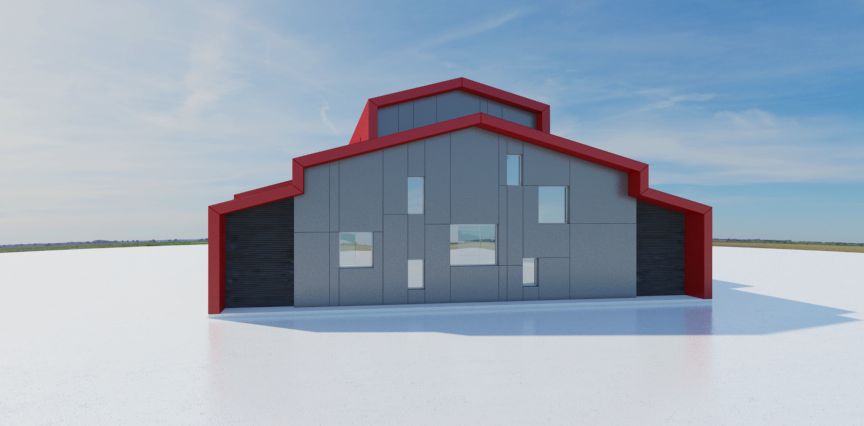
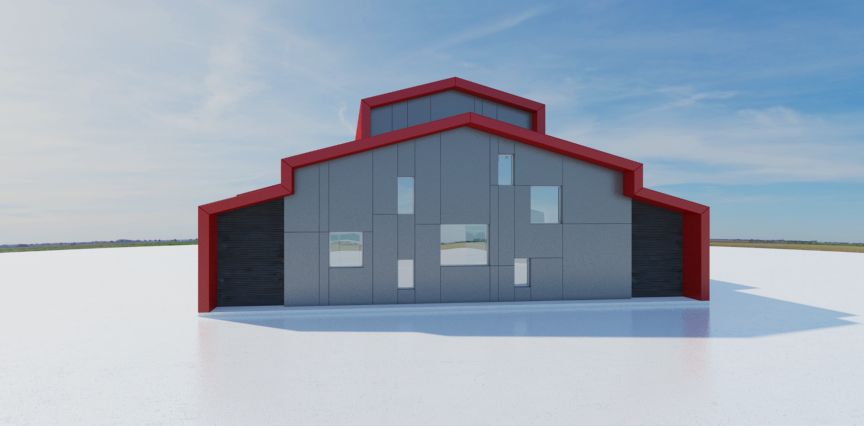
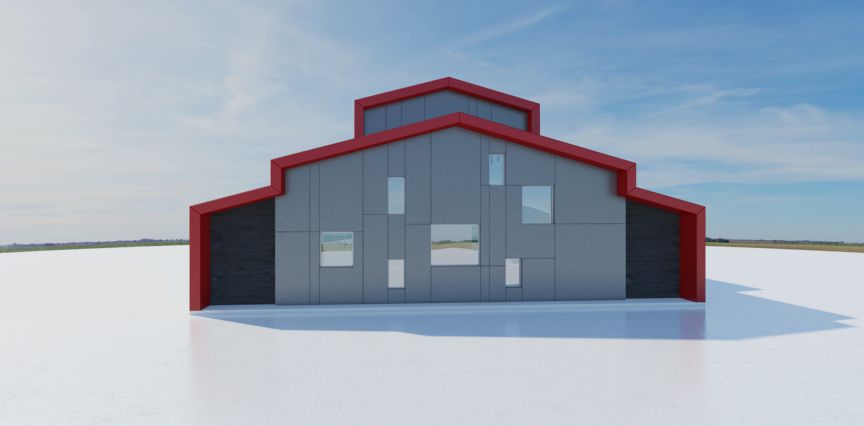
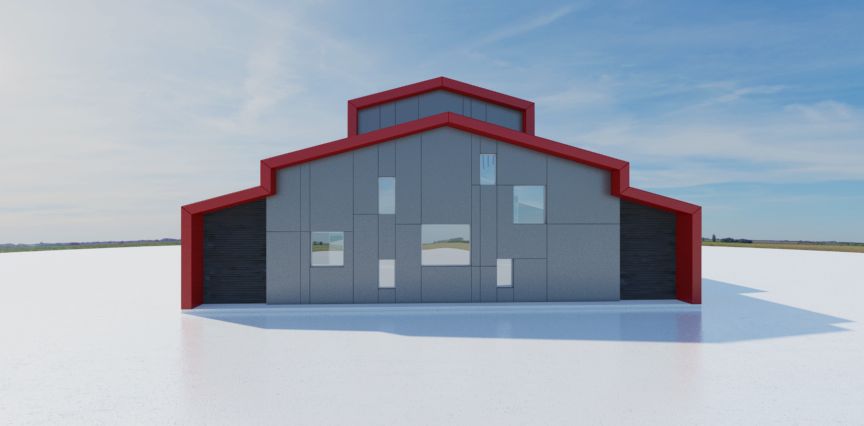
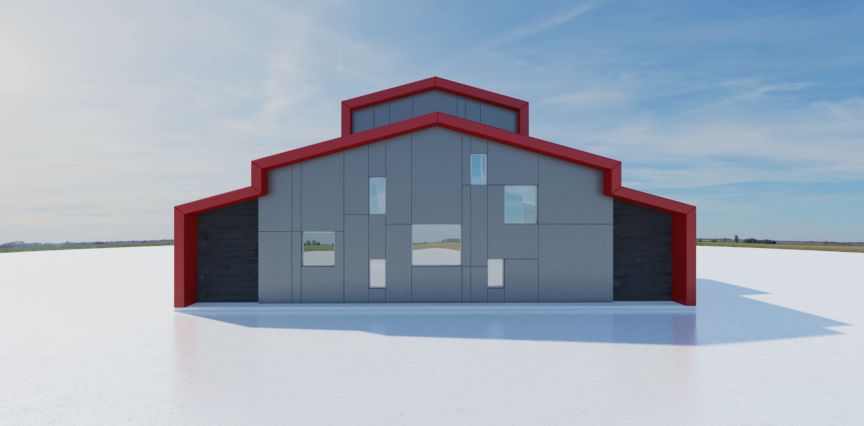
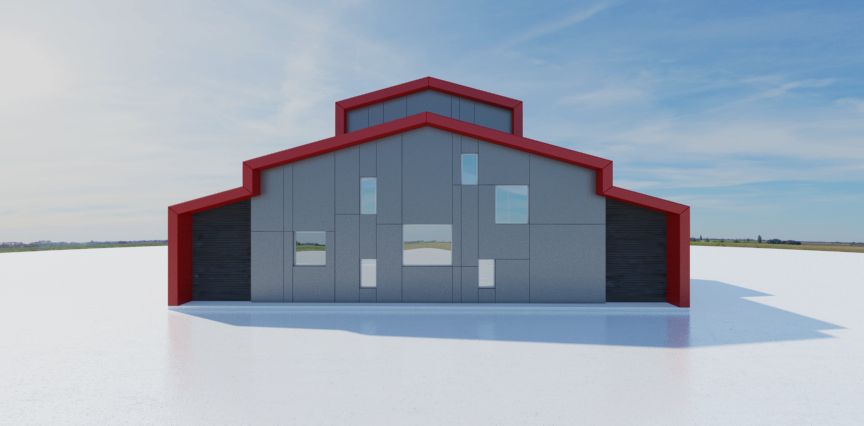
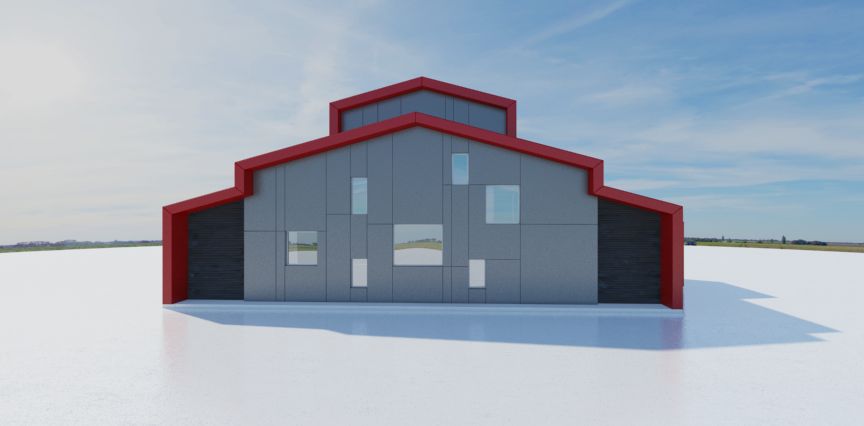
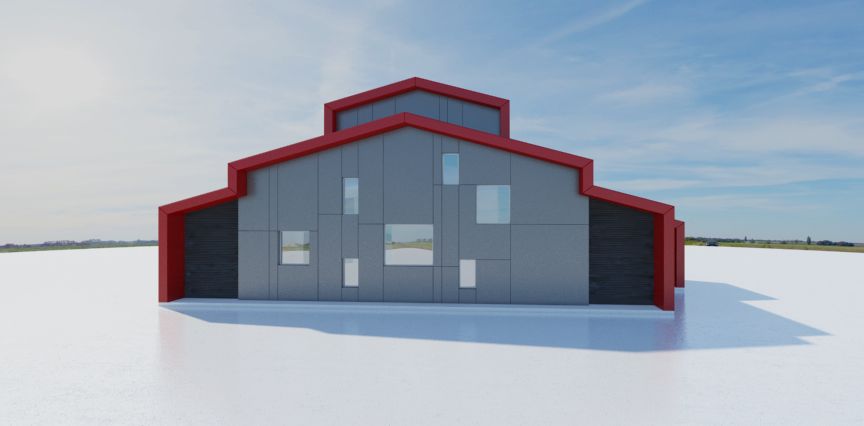
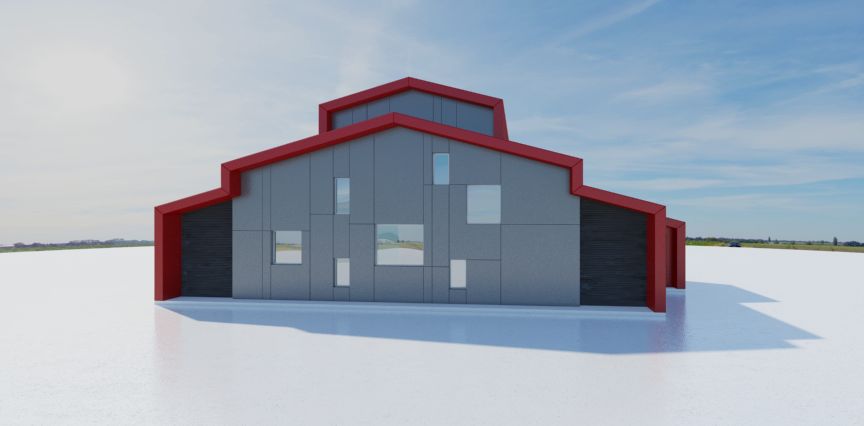
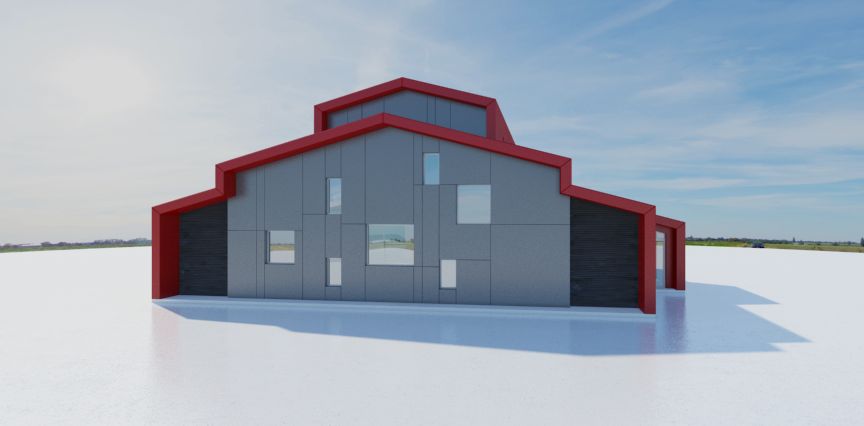
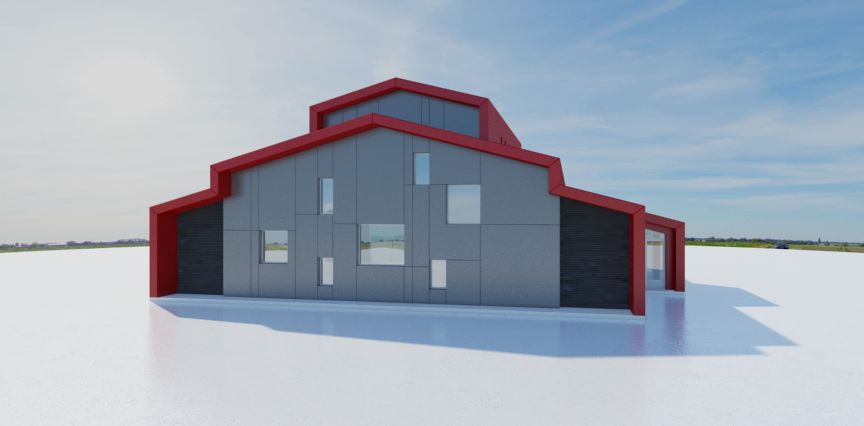
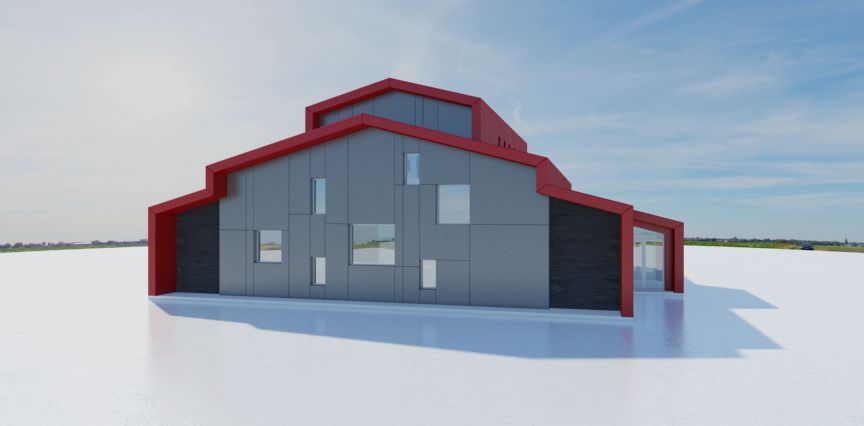
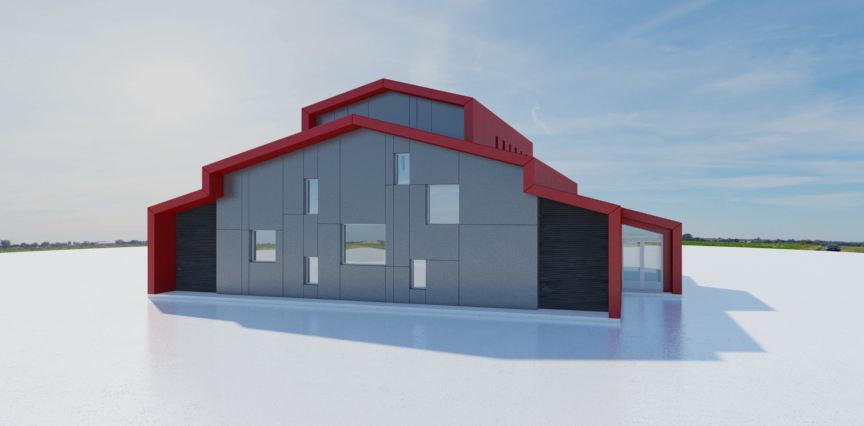
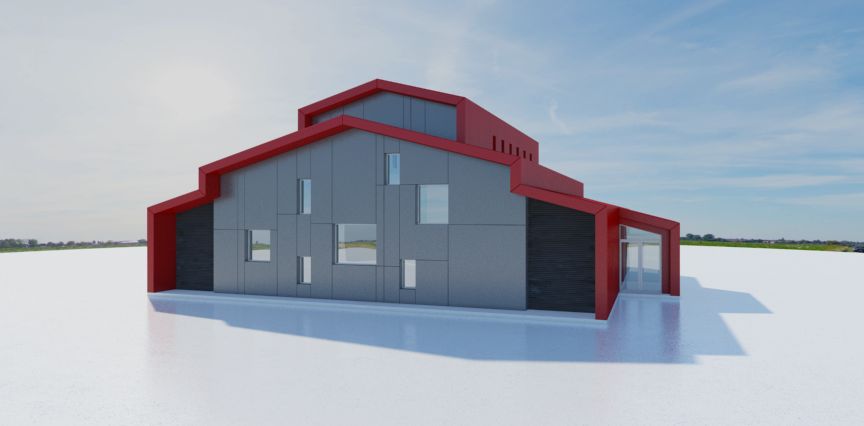
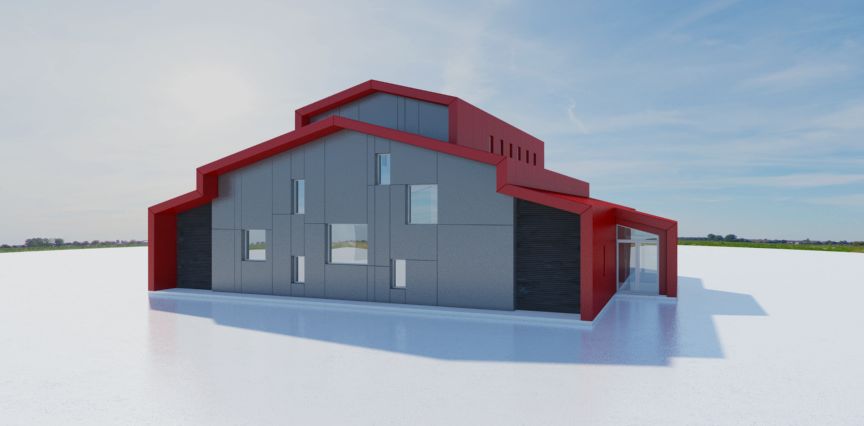
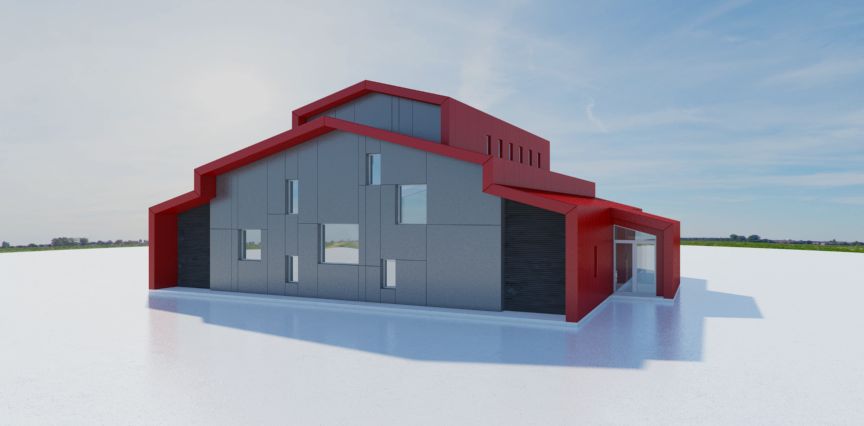
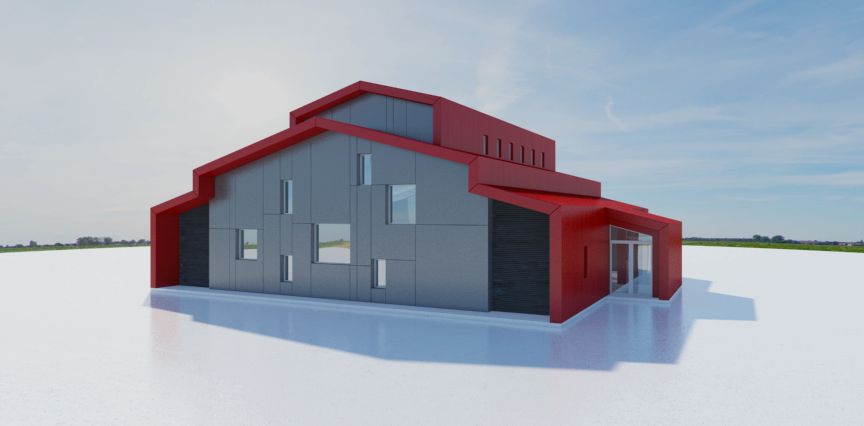
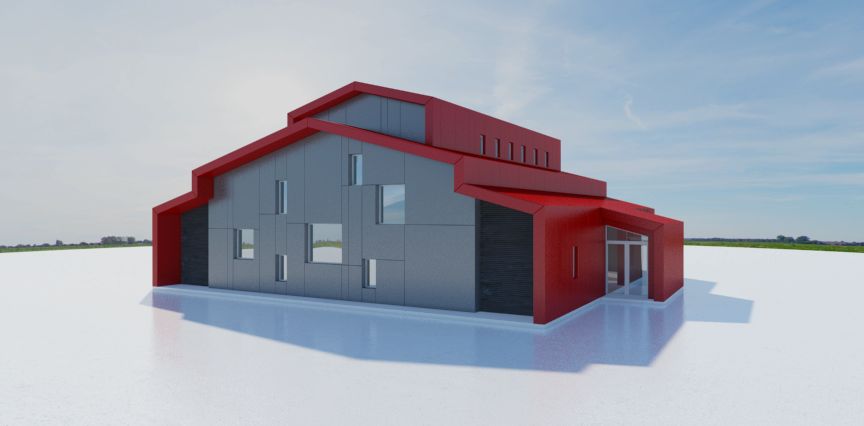
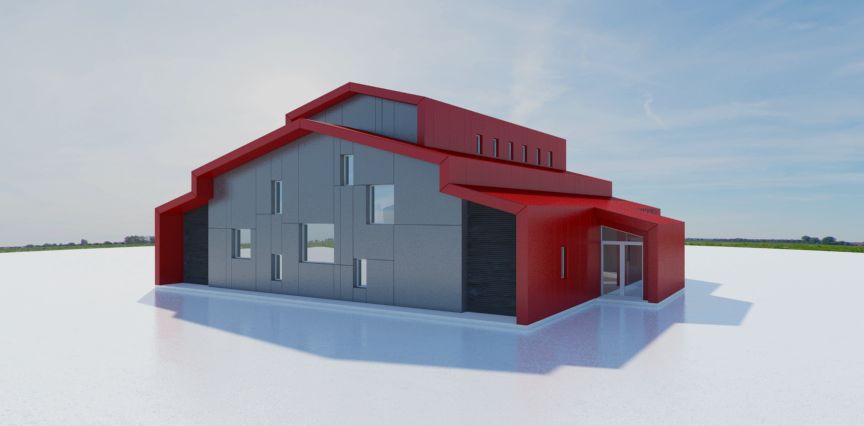
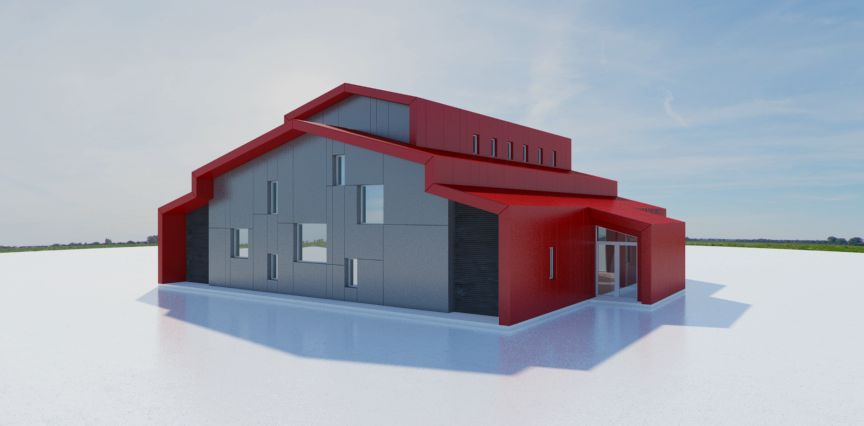
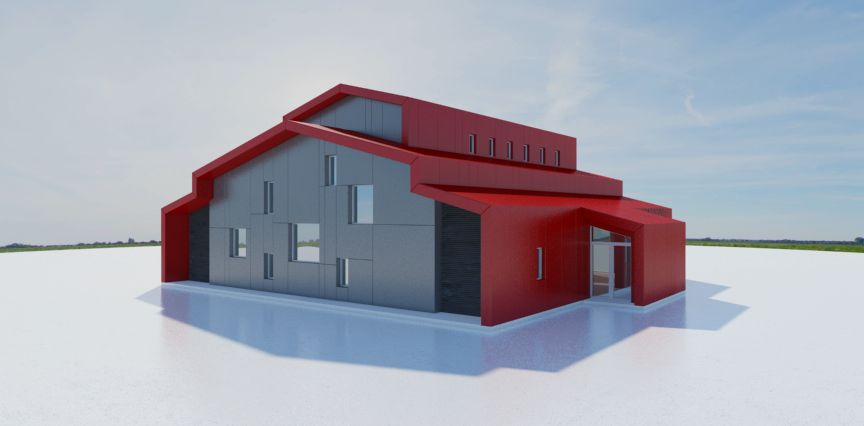
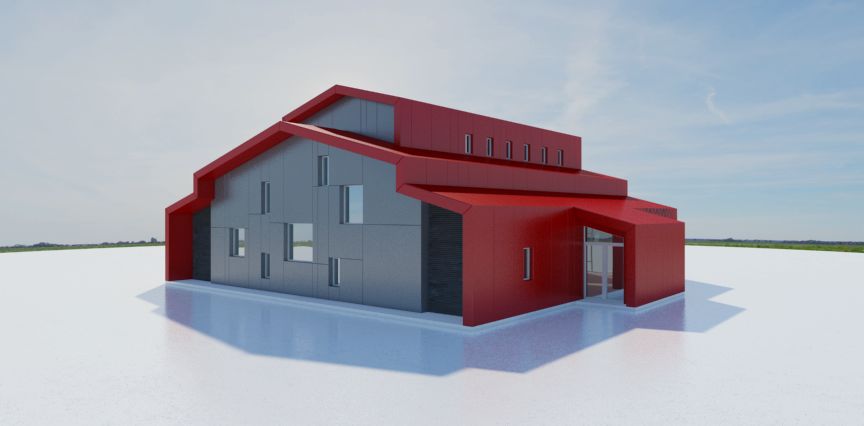
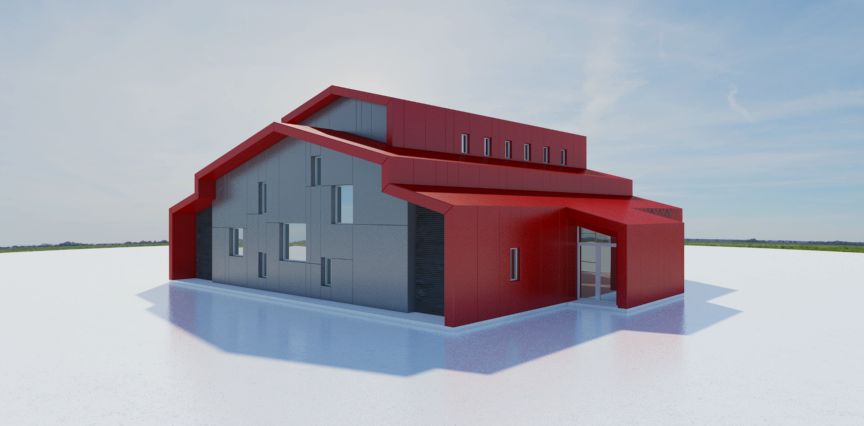
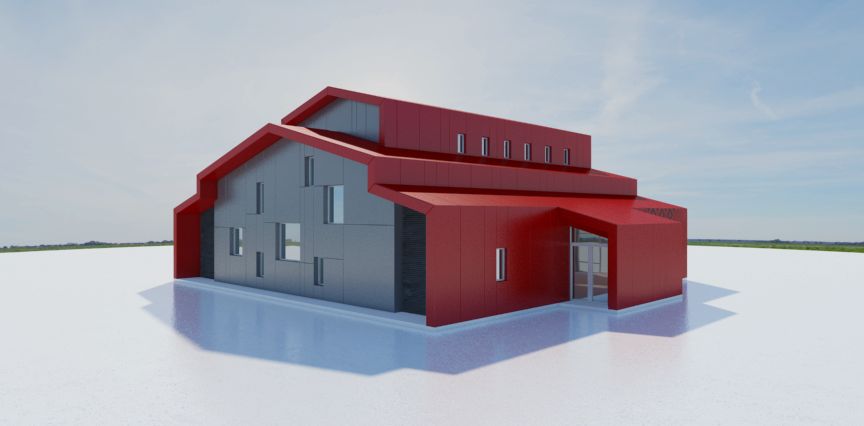
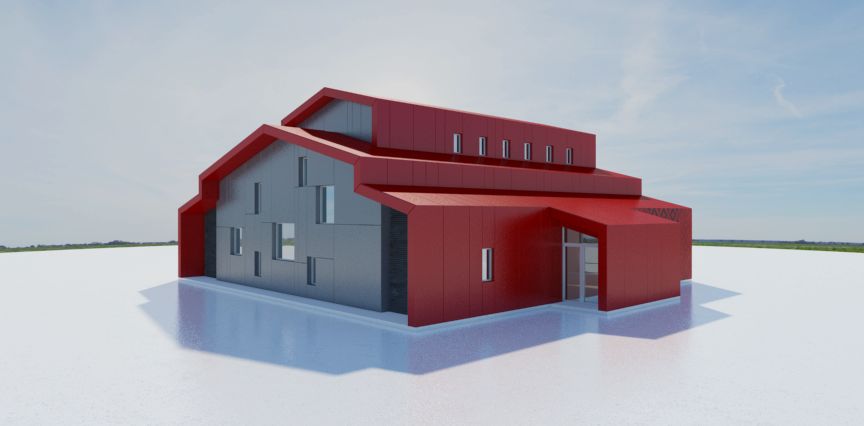
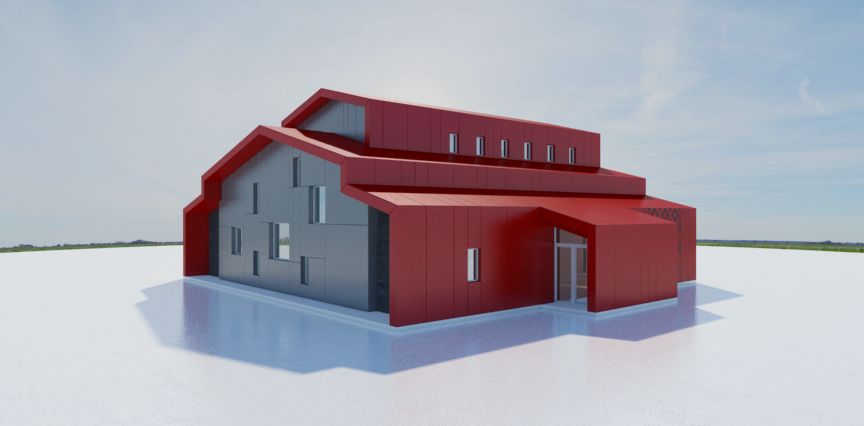
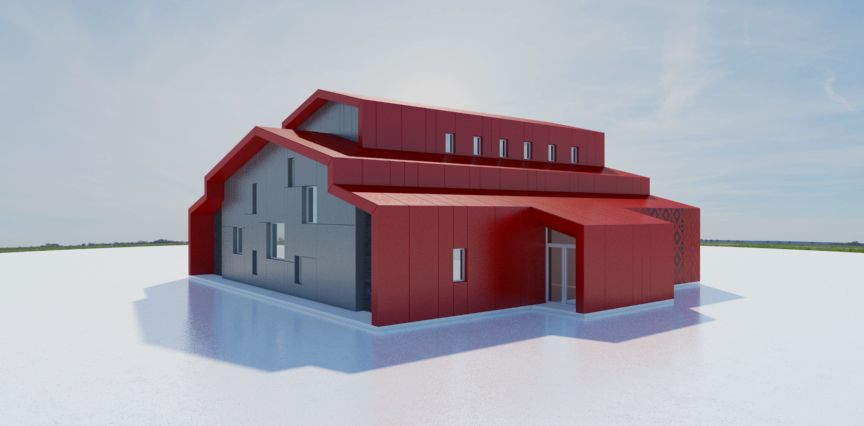
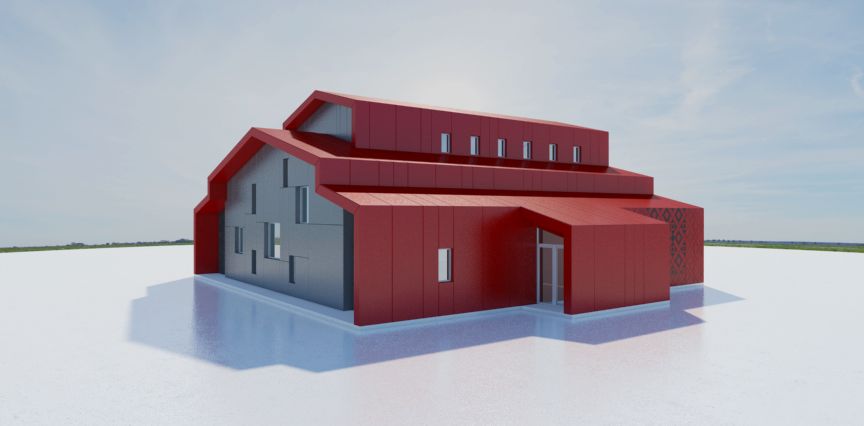
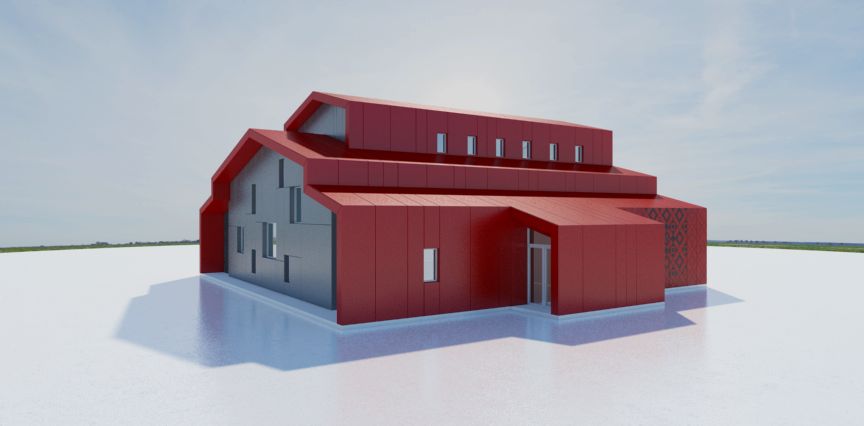
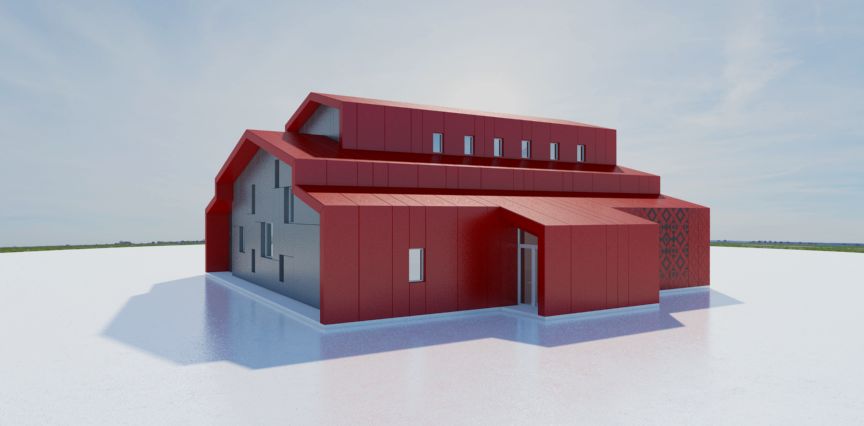
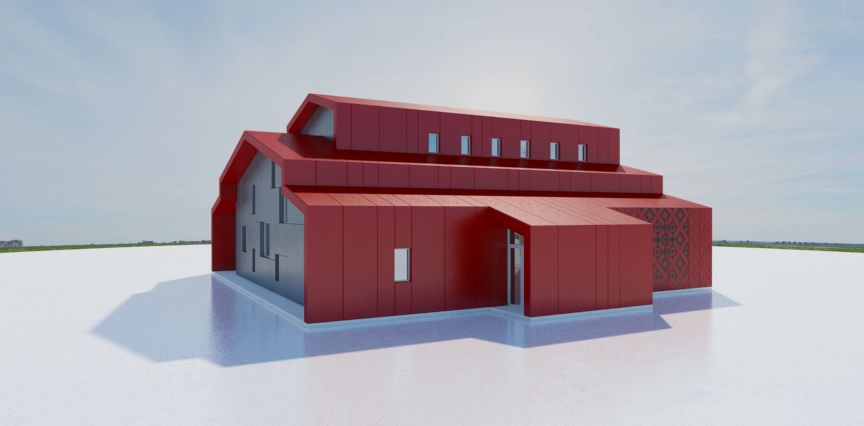
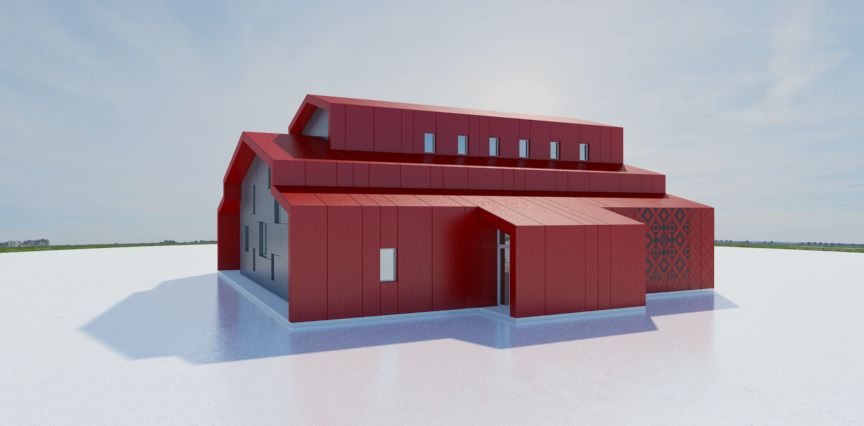
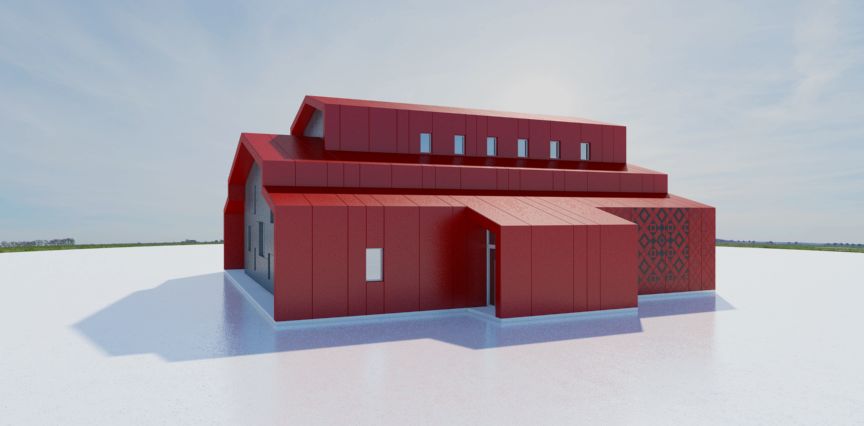
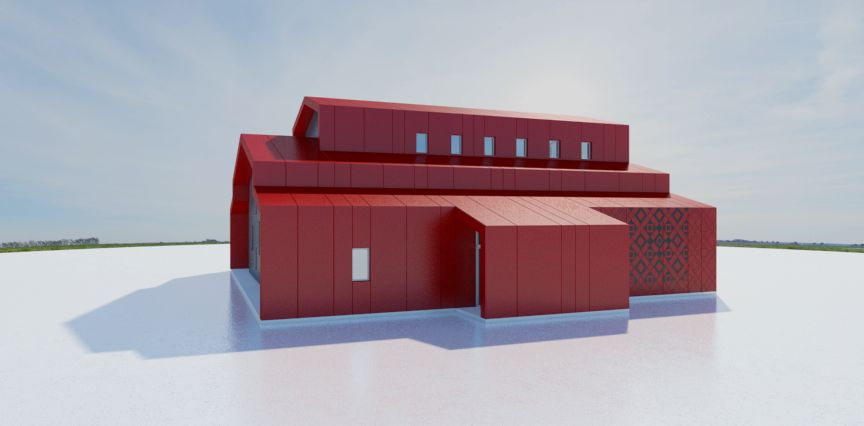
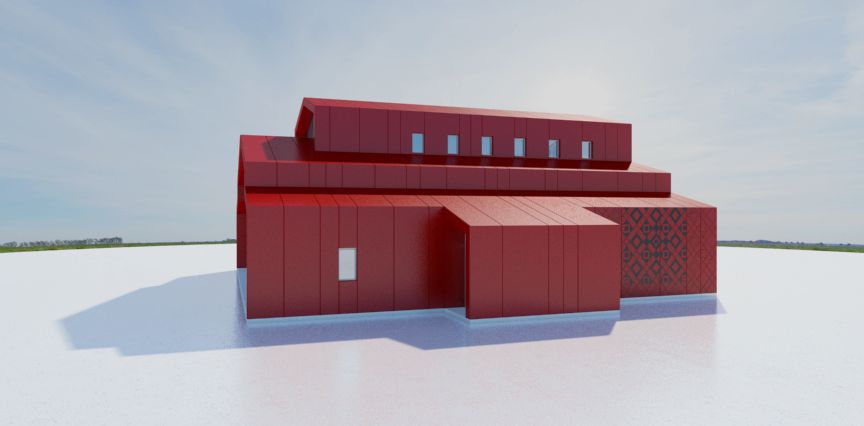
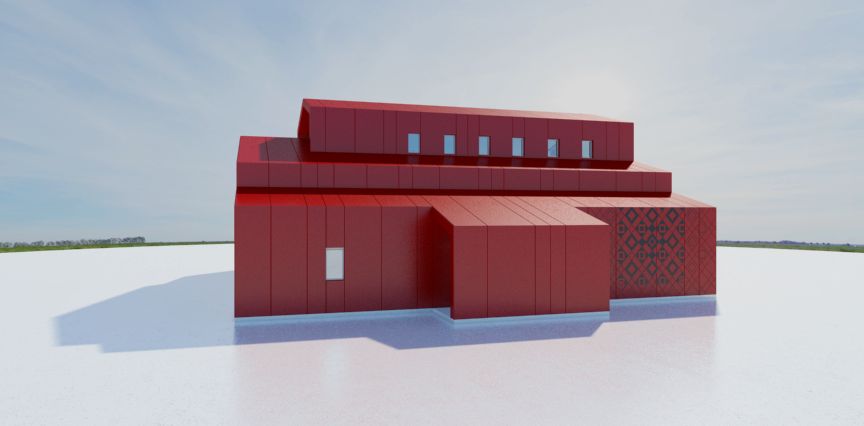
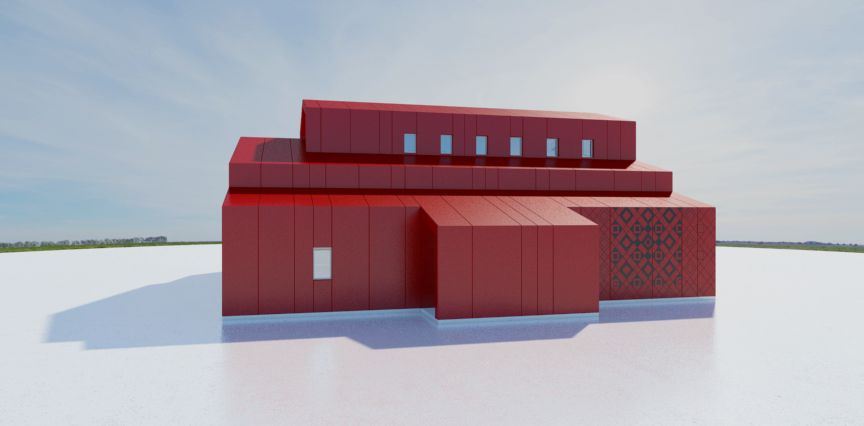
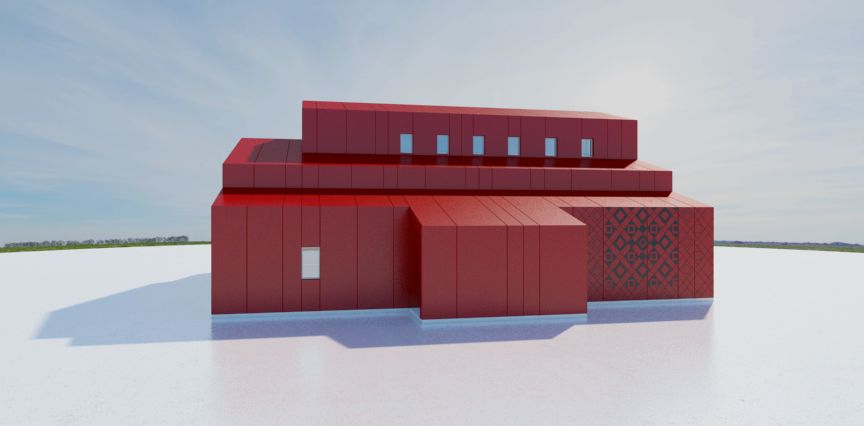
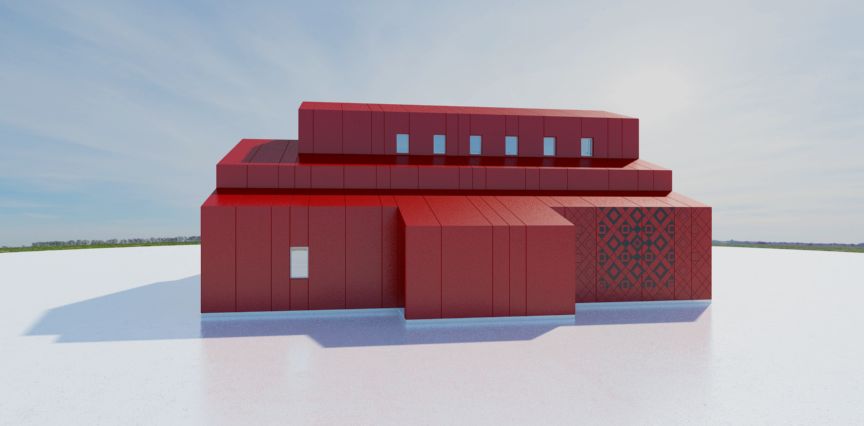
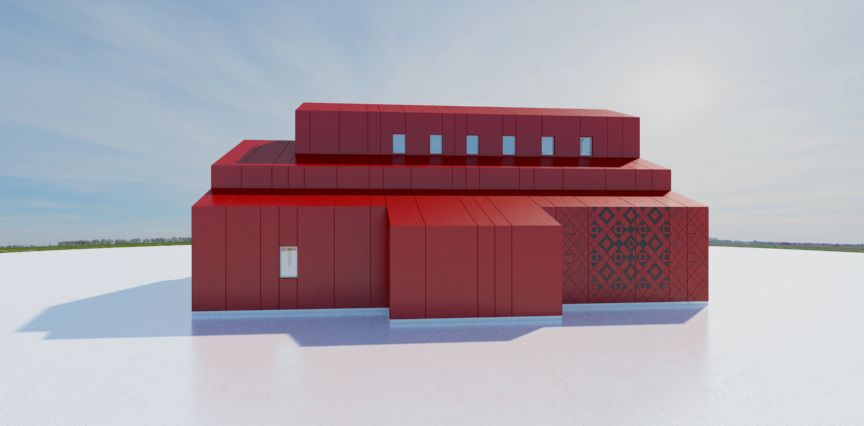
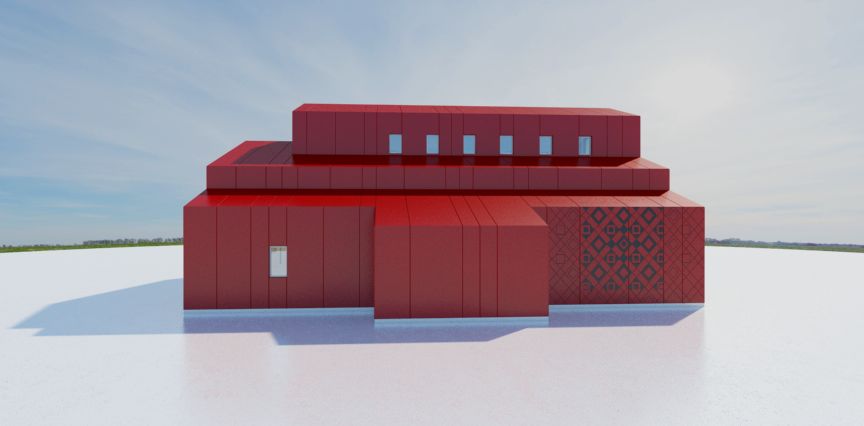
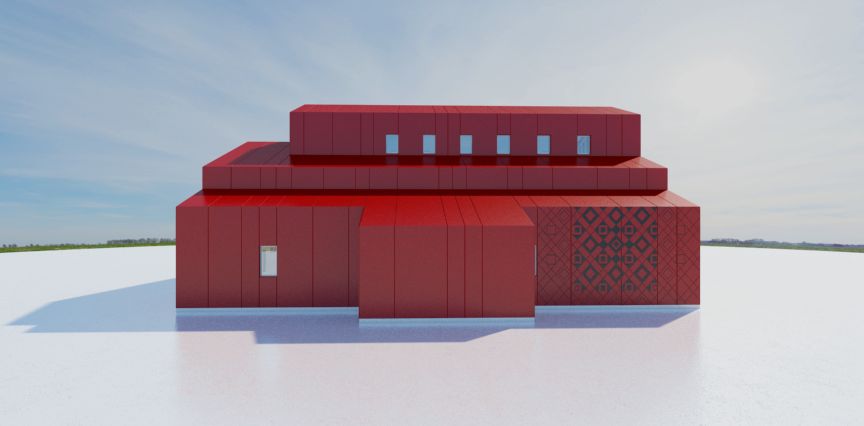
The building has a protection cover, developed with latest technologies for air-conditioning and lighting, that guarantees the preservation of the monument. Glass podium covers the colorful mosaic of the Basilica.
-
The surrounding area of the Small Basilica is transformed into a small park that integrates parts of the eastern wall together with the tower of ancient Philippopolis, parts of the ancient street and the yard of a private house.
The Small Basilica was built in the second part of the 5th century in honor of Basiliscus – the chief military commander of the province of Thrace. He was the man who had a mansion in Philippopolis and gained the local people`s respect in 471, when he saved the city from the rebelling Goths. In 475, Basiliscus became the emperor, but after only 20 months, he was dethroned by his predecessor, Zeno (474-491). The new-old emperor ordered every trace of his enemy to be destroyed. So, the first lines of the mosaic inscription in the Small Basilica were removed.
Soon afterwards, the basilica burnt to the ground. It is not clear when or why the disaster struck. It could be the result of a Barbarian attack. The fire destroyed a lot. The wooden roof and the tiles collapsed and filled the inside part of the church with rubble.
People, however, were eager to have the church back. The Small Basilica rose again, with the new foundations built over old ones. The mosaics inside the church were never restored. They were left there, covered with a new floor made of ordinary bricks.
The renewed Small Basilica had another thing to awe visitors – its baptistery.
The baptistery of the Small Basilica was designed to be the place for baptisms not only of the newborn but also of adults. It had two entrances – one for non-Christians and one for Christians, and a cross-shaped marble pool, about a meter deep. Marble columns held an elaborate roof, and the floor outside the pool was adorned with one of the finest mosaics in this part of the empire – a couple of doves and a stag. The doves symbolized the Holy Spirit while the deer embodied the soul striving for God.
GALLERY
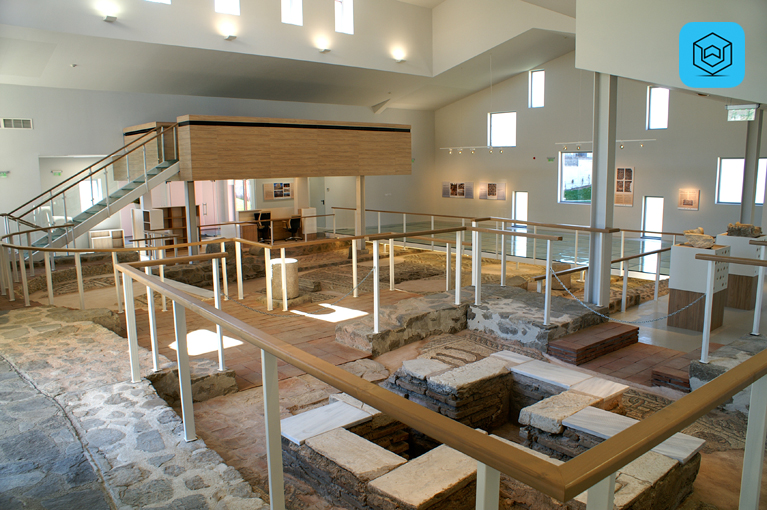
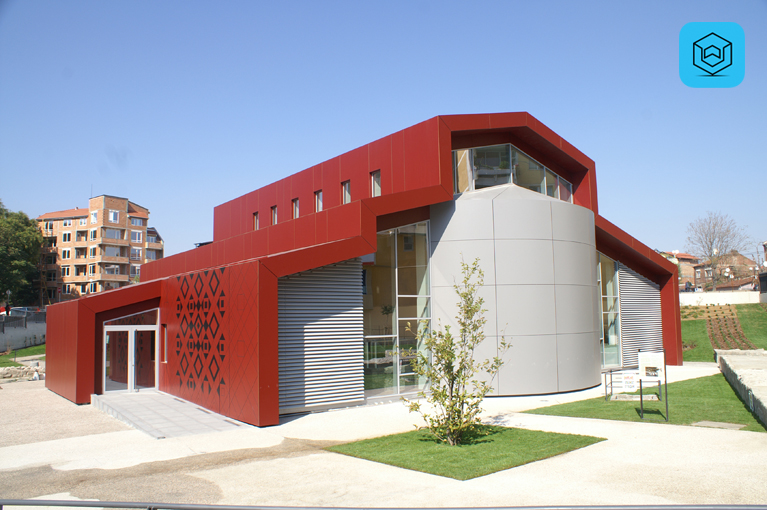
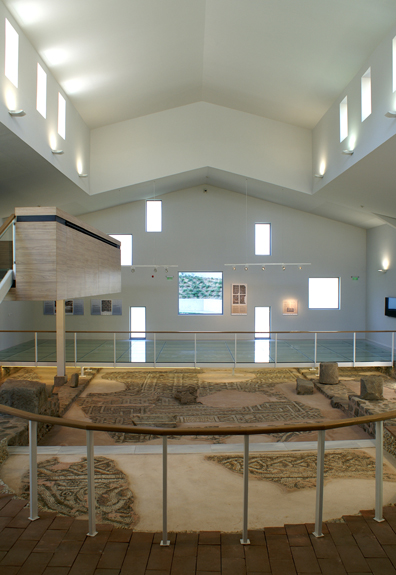
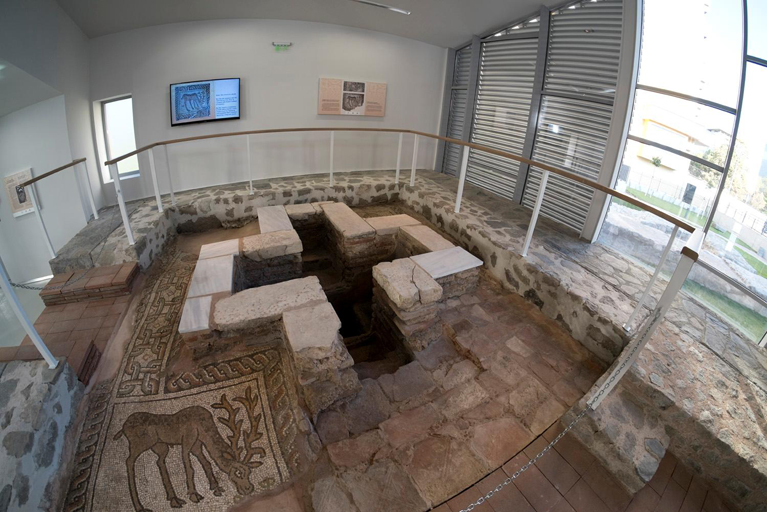
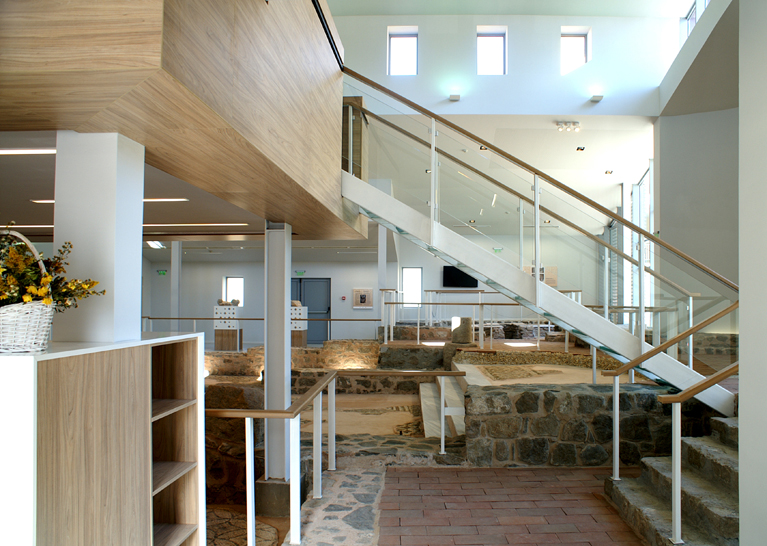
During the construction of an apartment block in Plovdiv in 1988, the ruins of an early Christian church from the middle of the 5th – the end of the 6th centuries were accidentally discovered.
Being one of the earliest evidence of Christianity in Bulgaria and a demonstration of the remarkable skills in creation of floor mosaics, the Basilica is renovated and open for visitors on September 20th, 2013.
You can find out more about the building at: www.oldplovdiv.com
"The Emblematic buildings of Bulgaria" initiative aims to promote the Bulgarian cultural and historical heritage. The presented 3D visuals are illustrative and make no pretence of having thorough scientific and architectural accuracy.