St. Sofia Church and the museum, Sofia
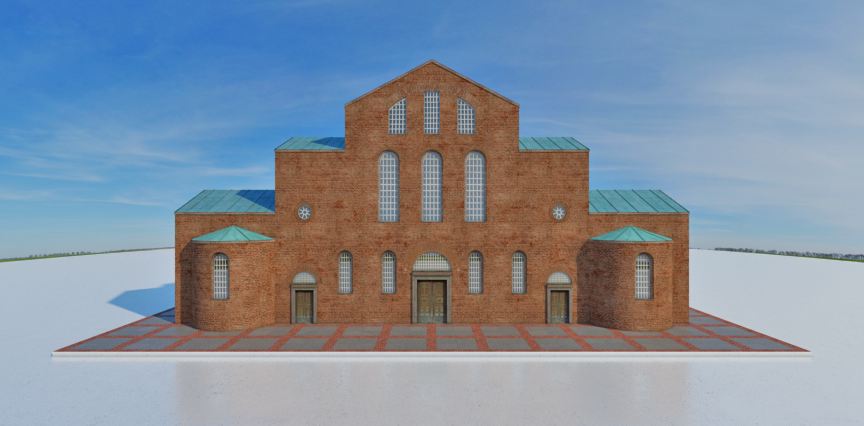
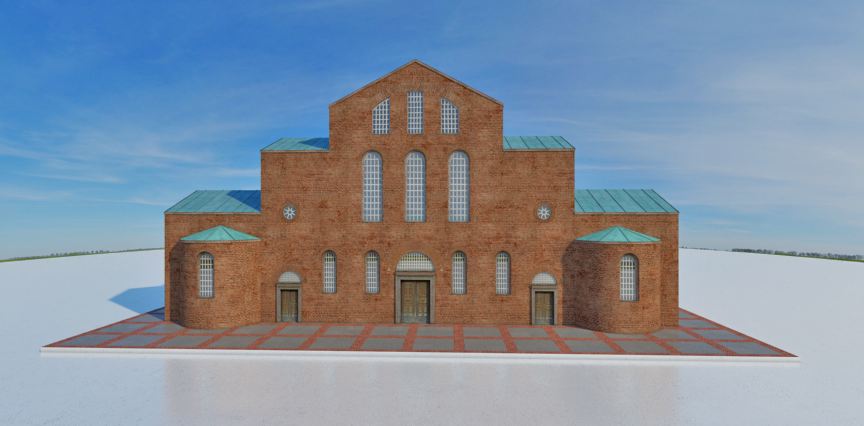
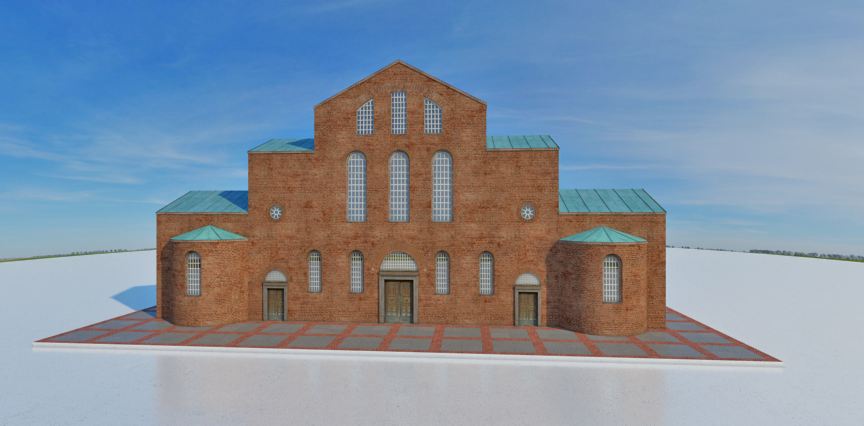
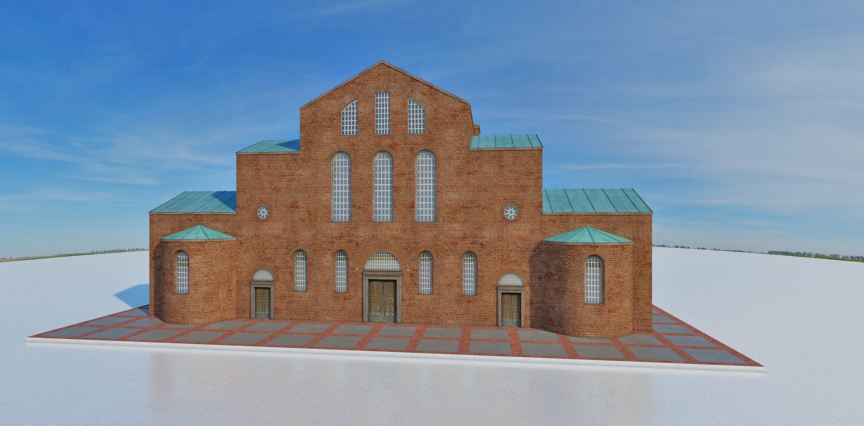
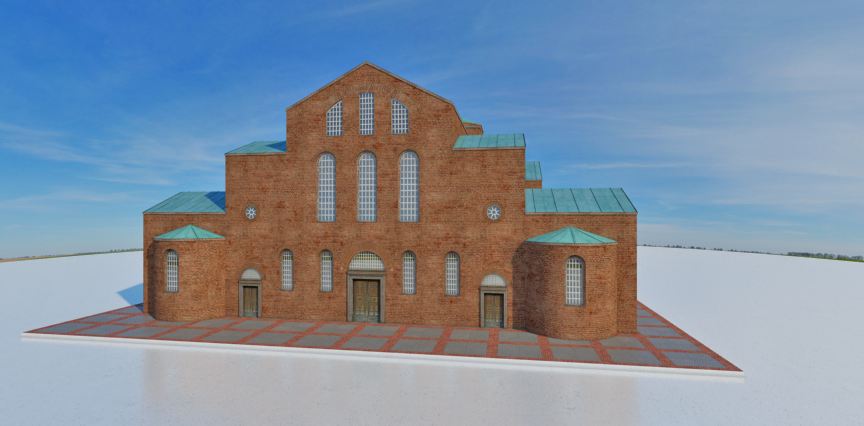
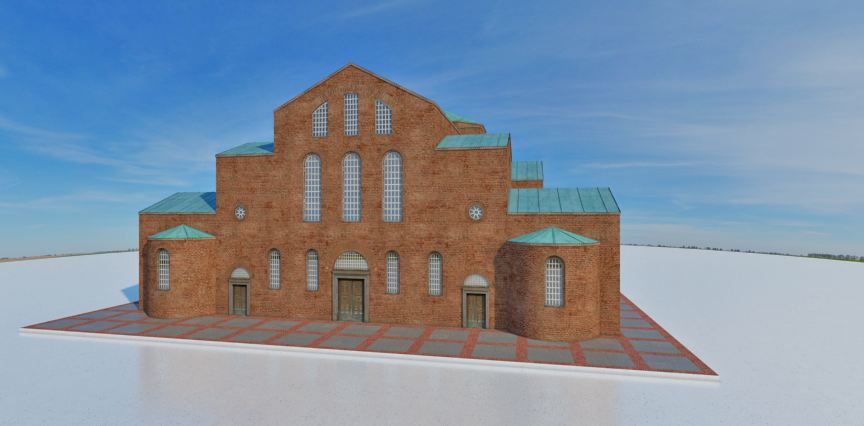
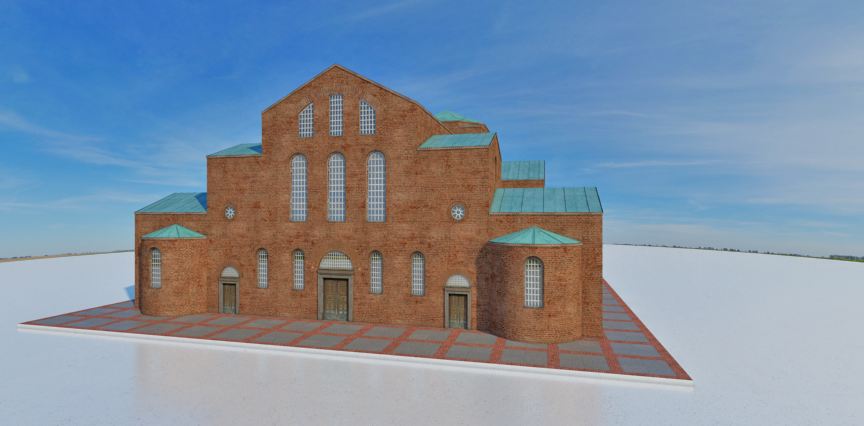
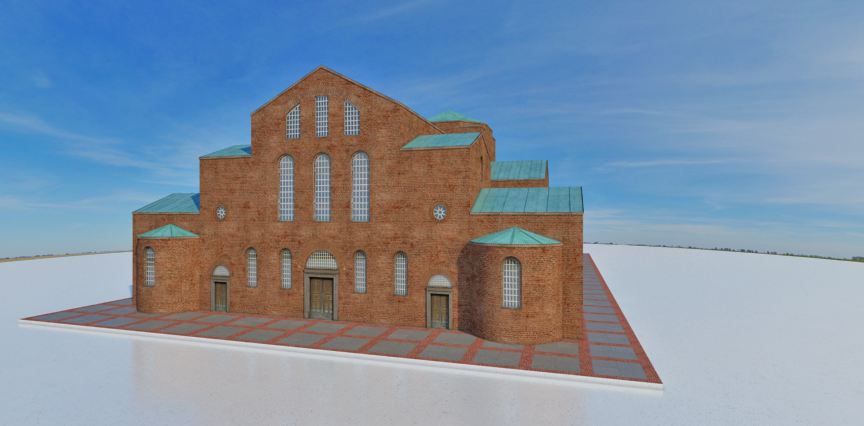
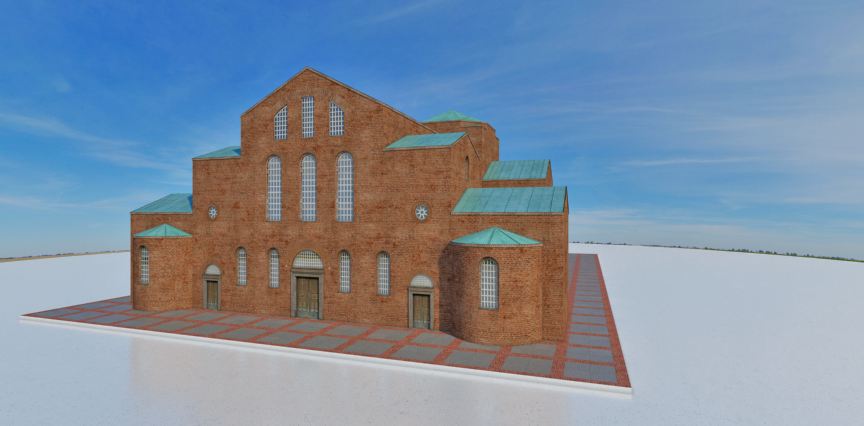
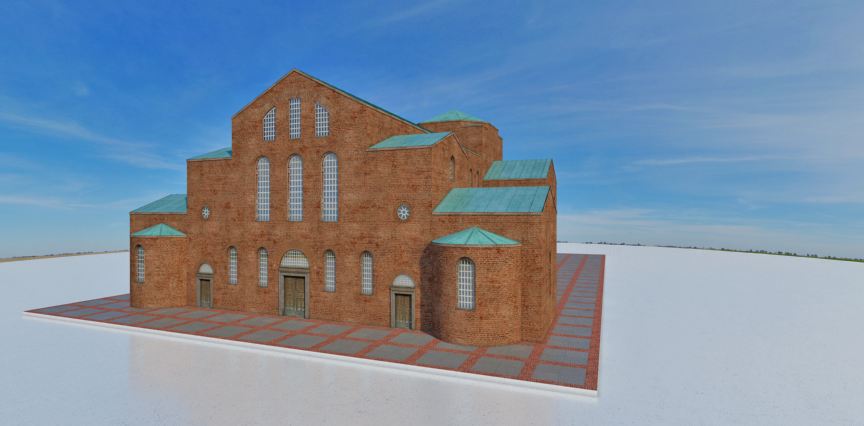
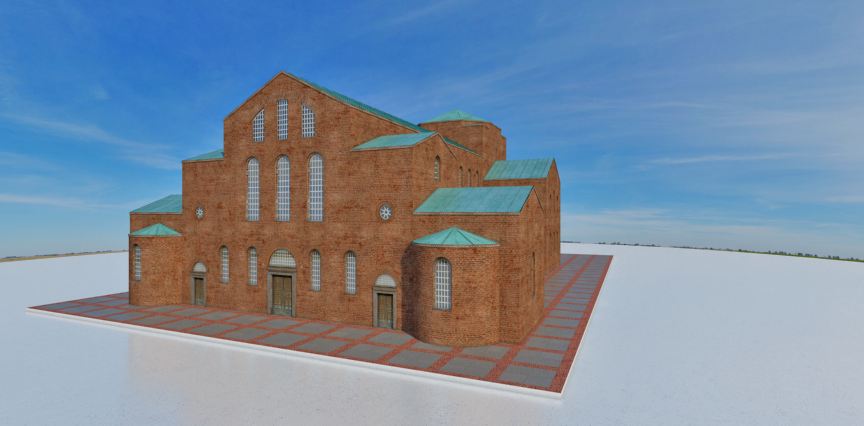
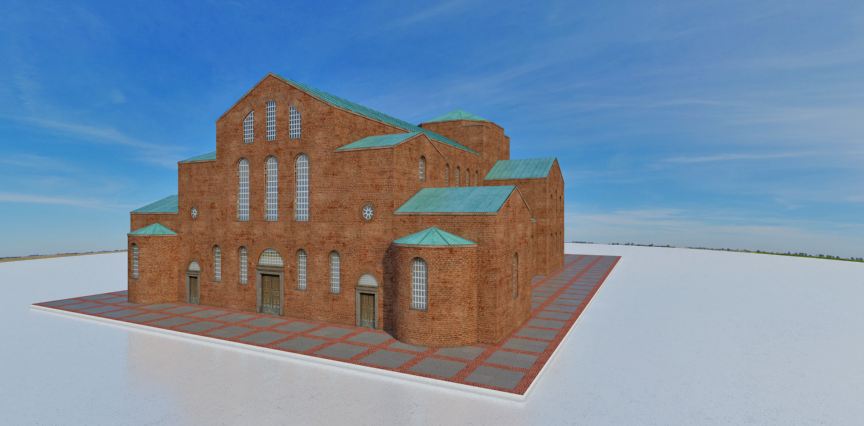
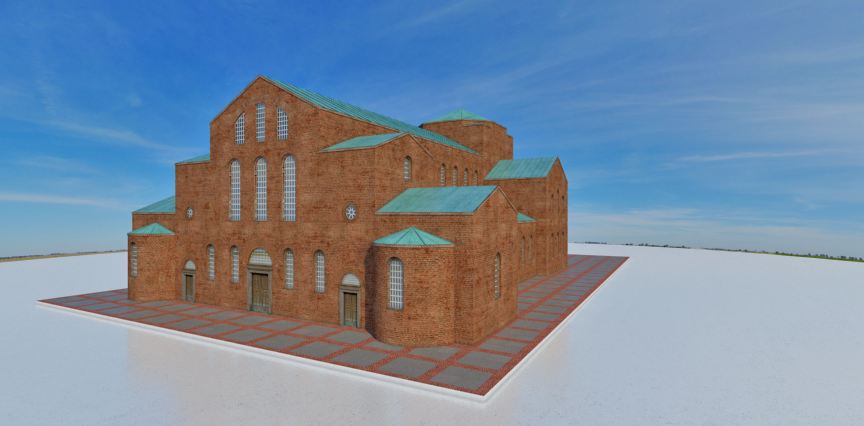
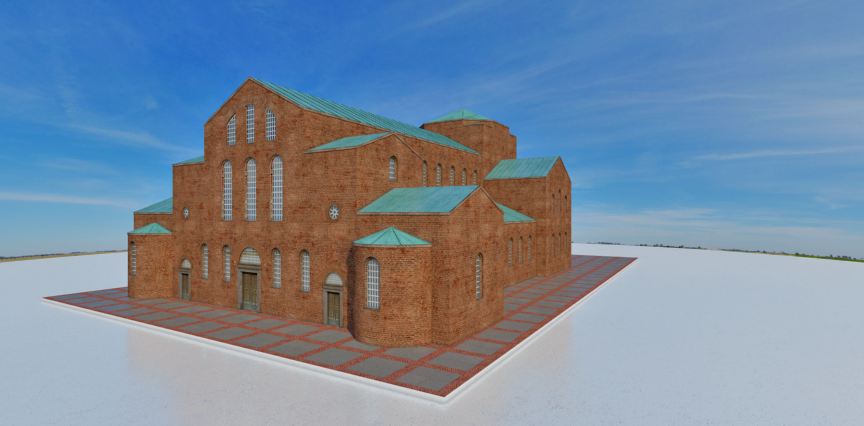
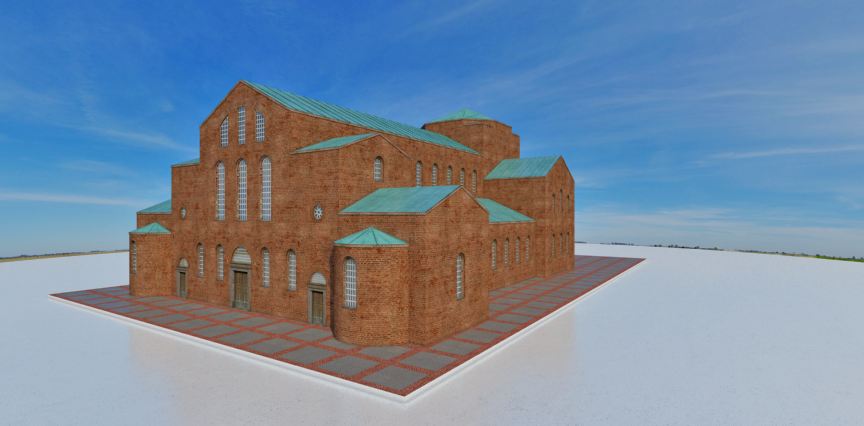
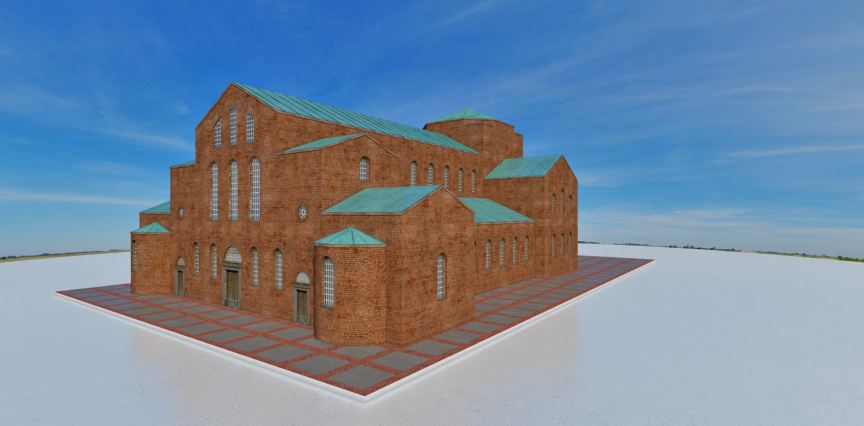
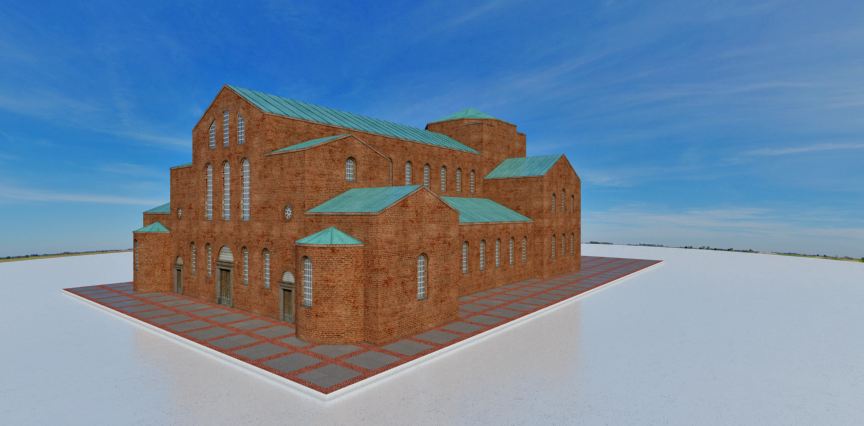
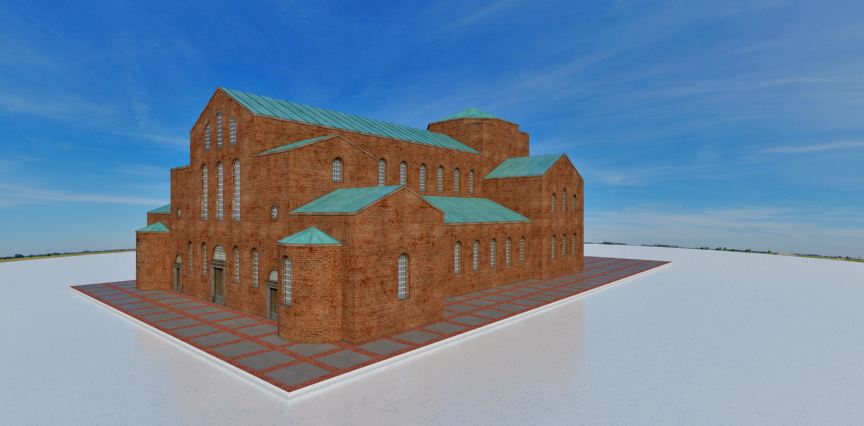
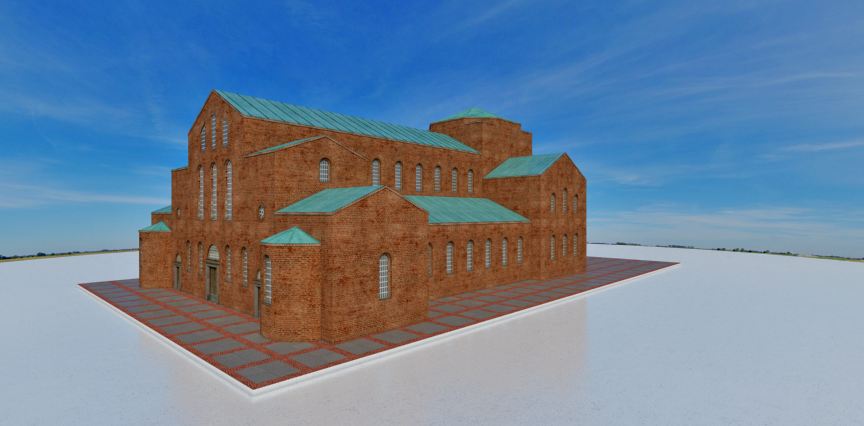
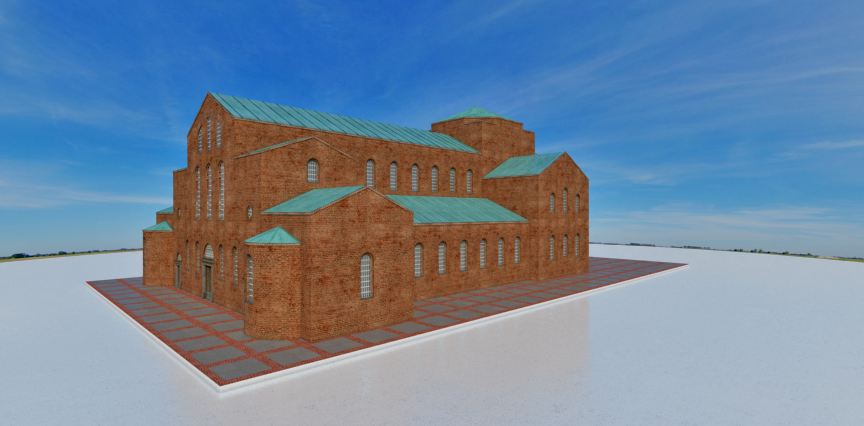
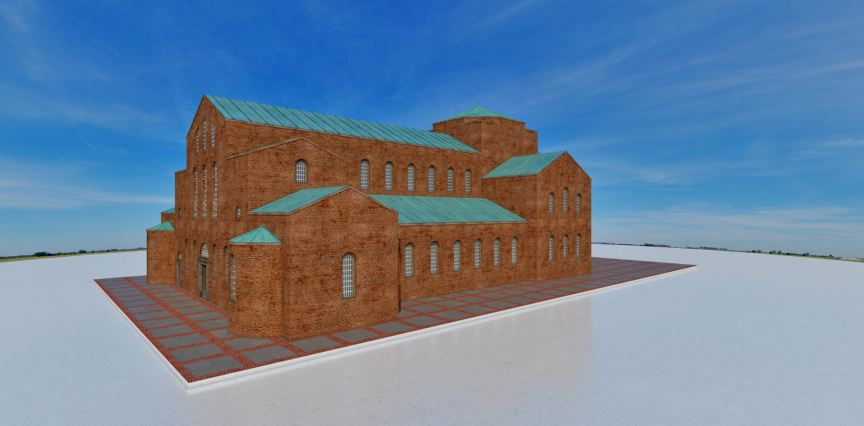
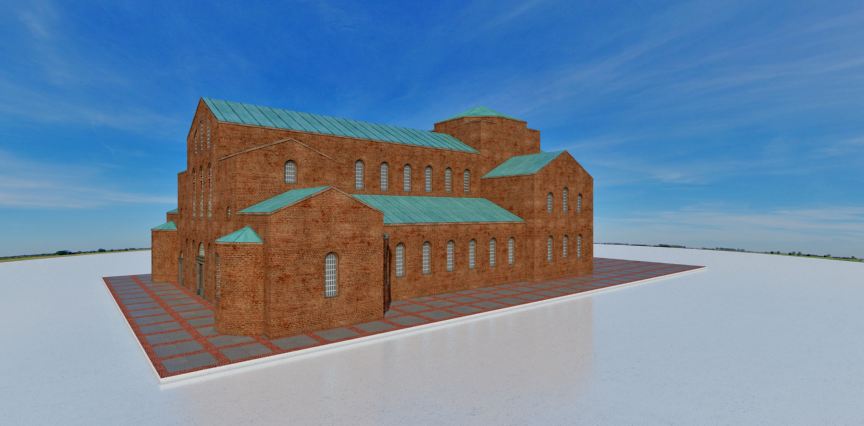
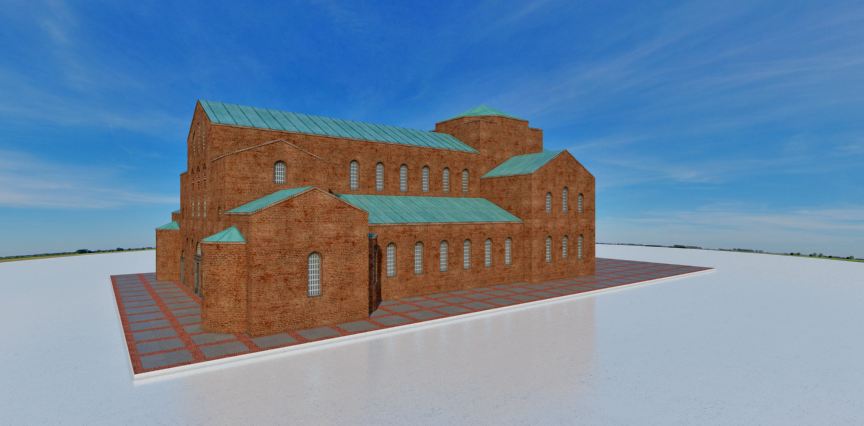
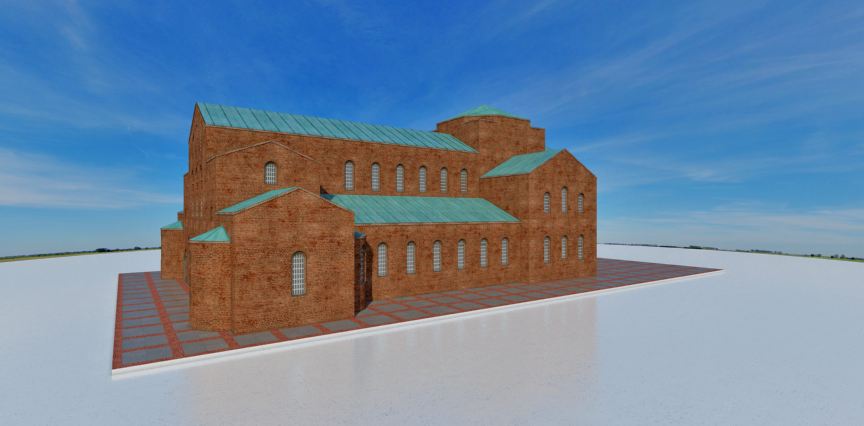
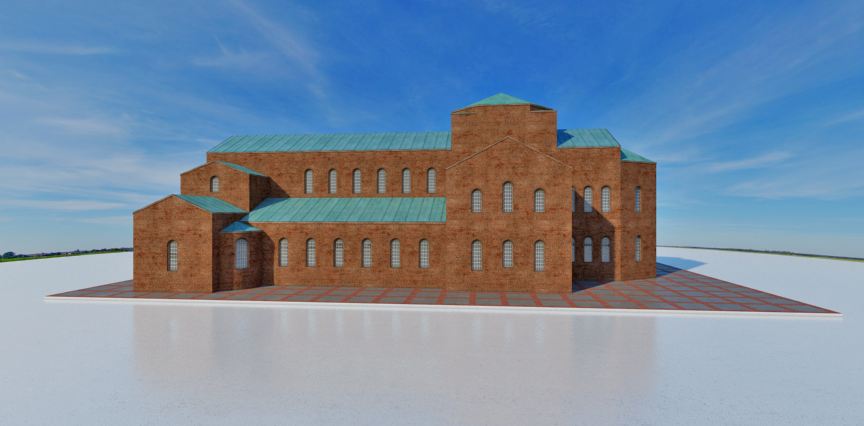
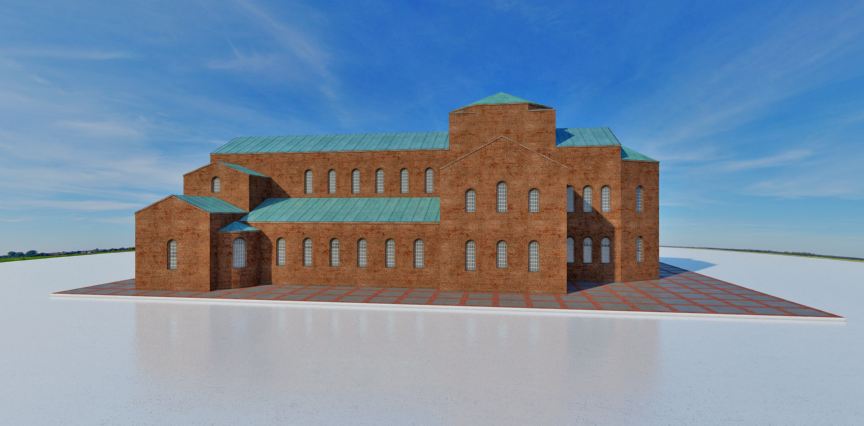
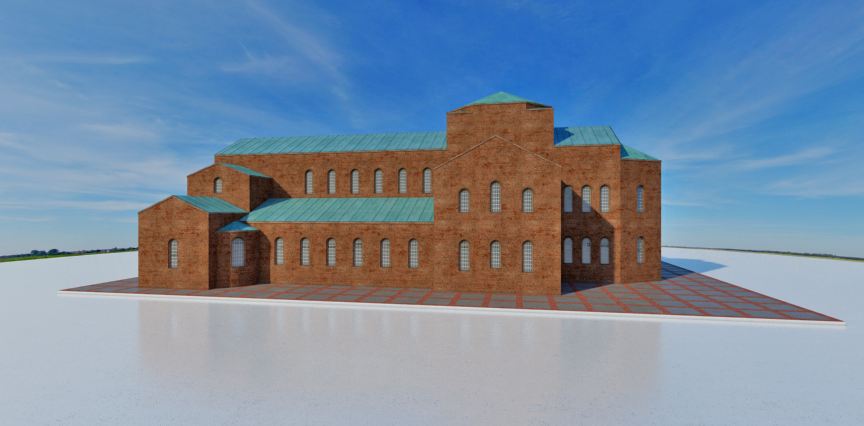
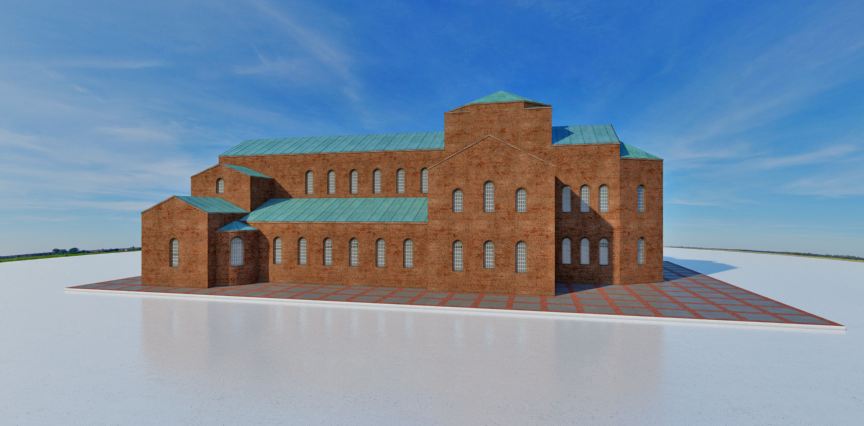
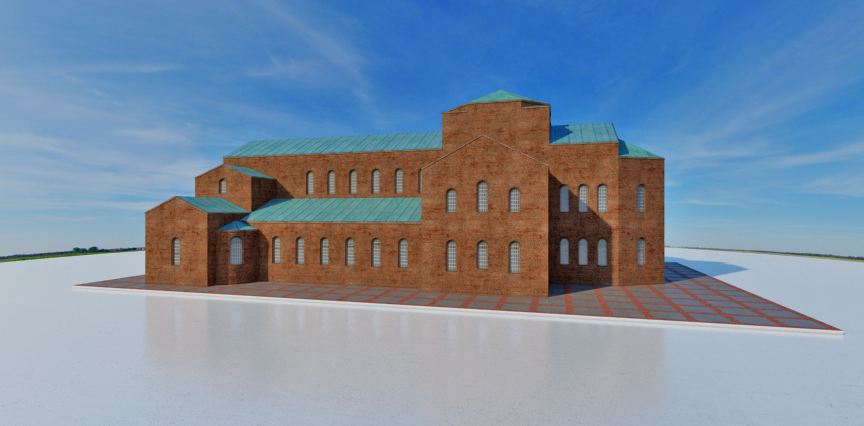
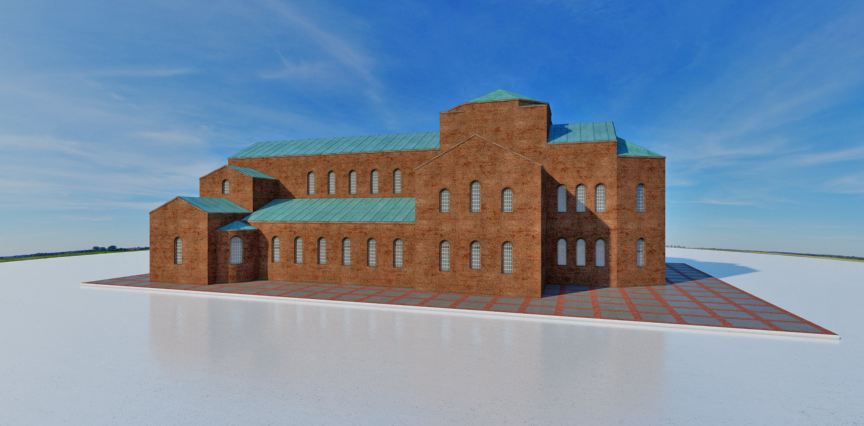
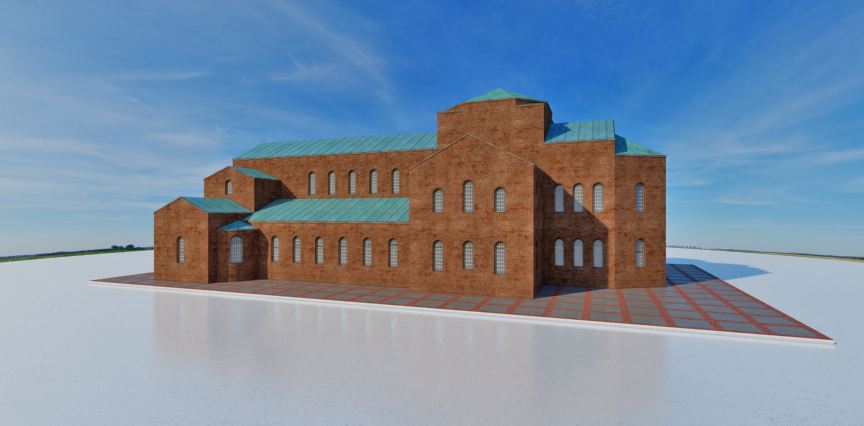
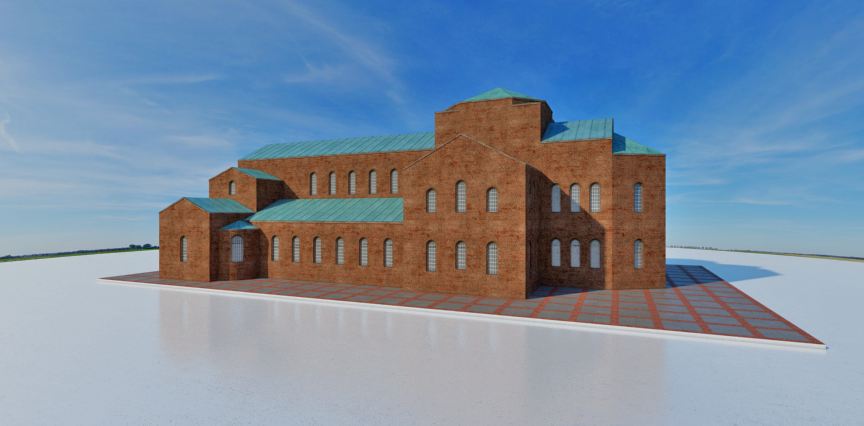
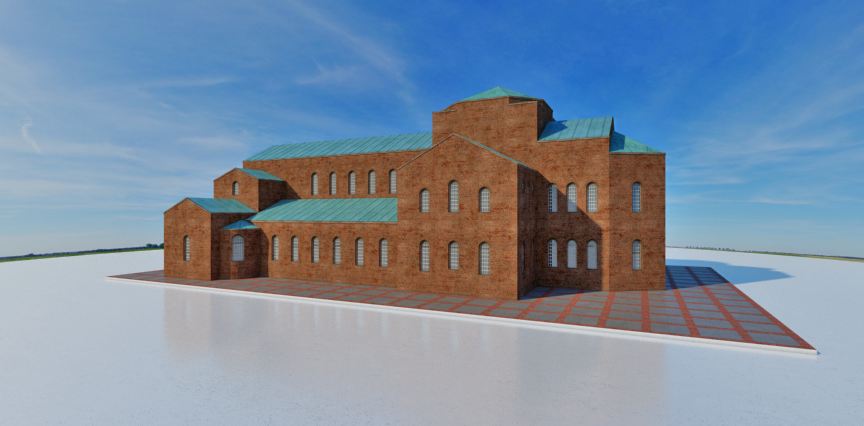
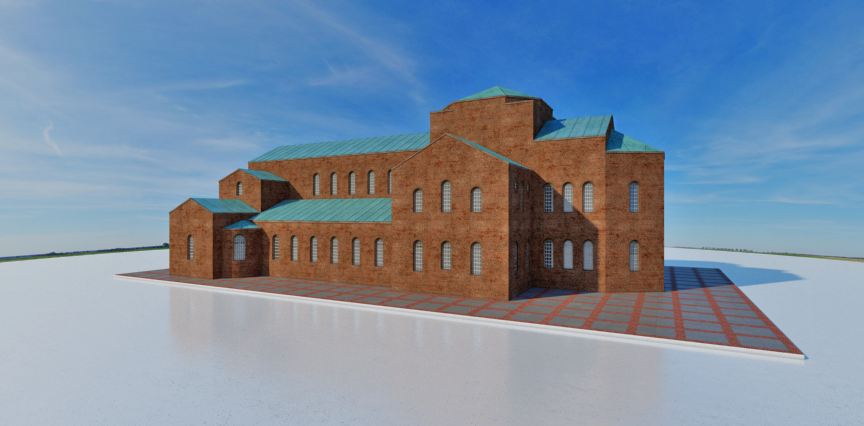
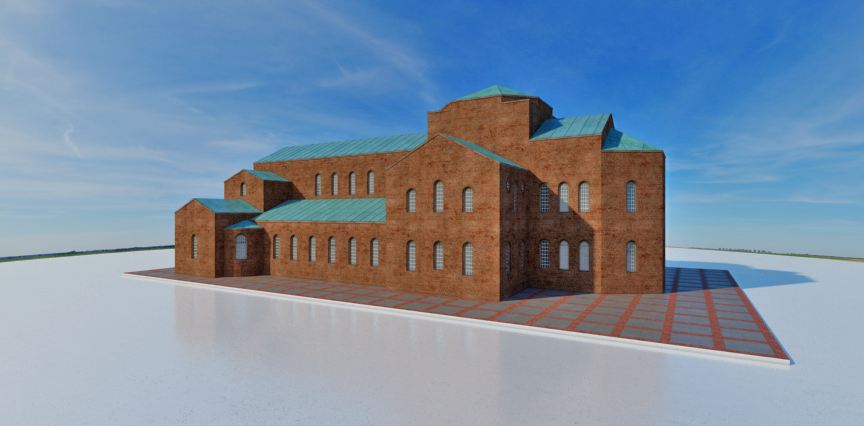
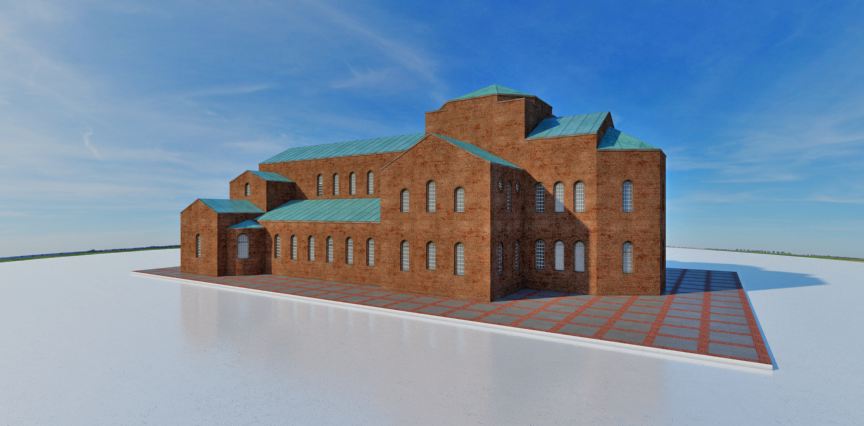
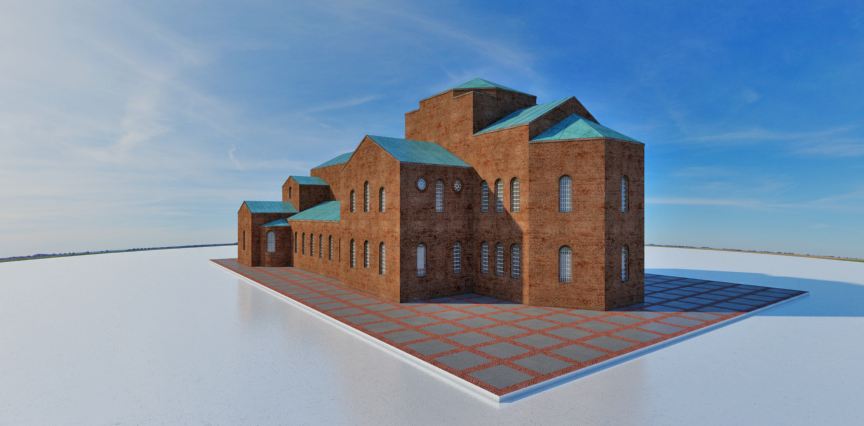
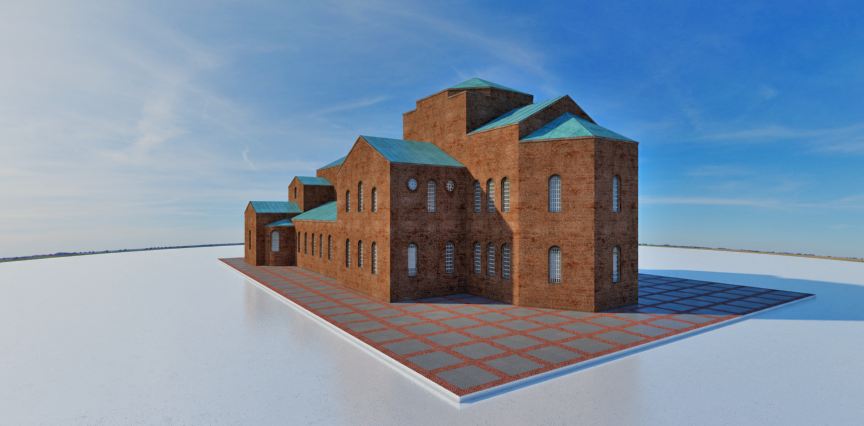
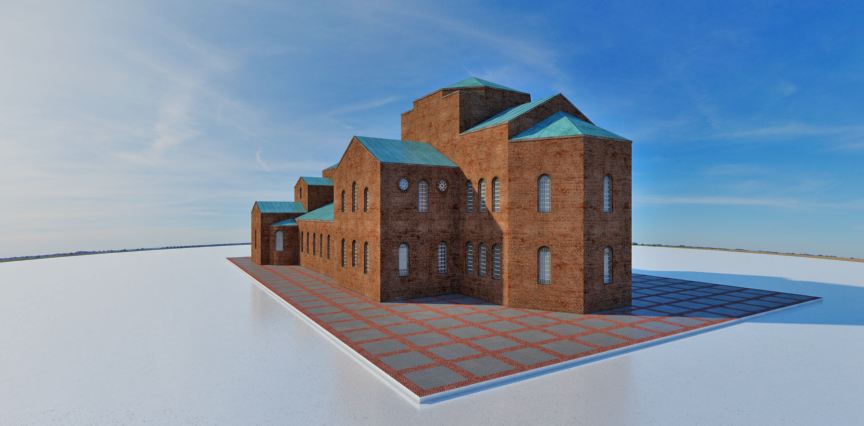
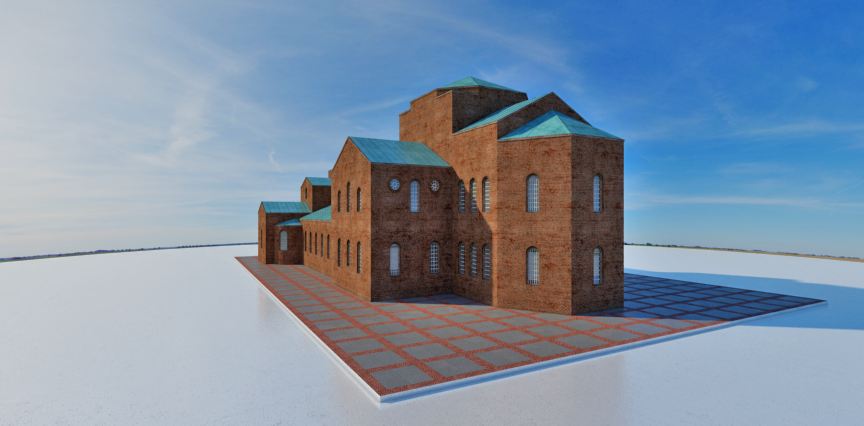
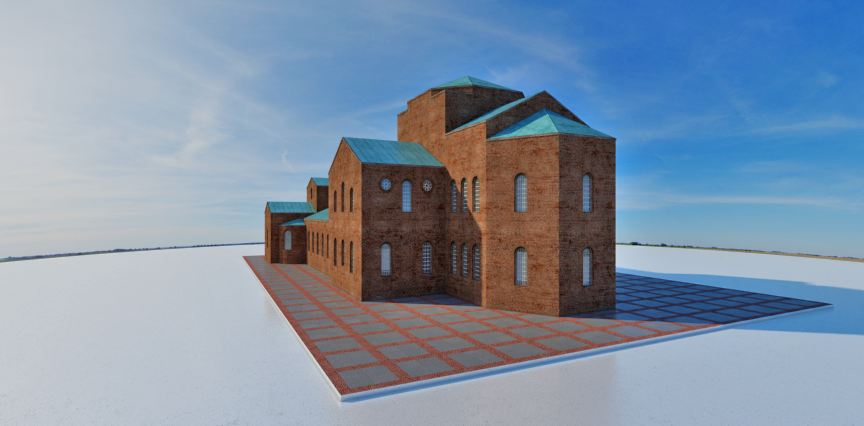
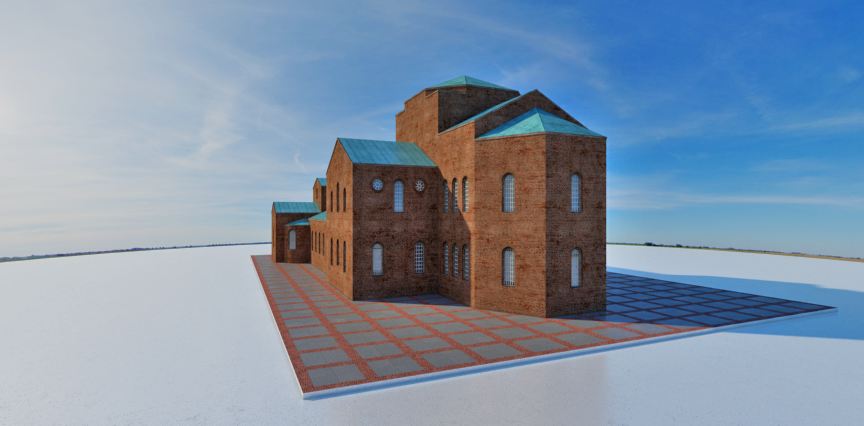
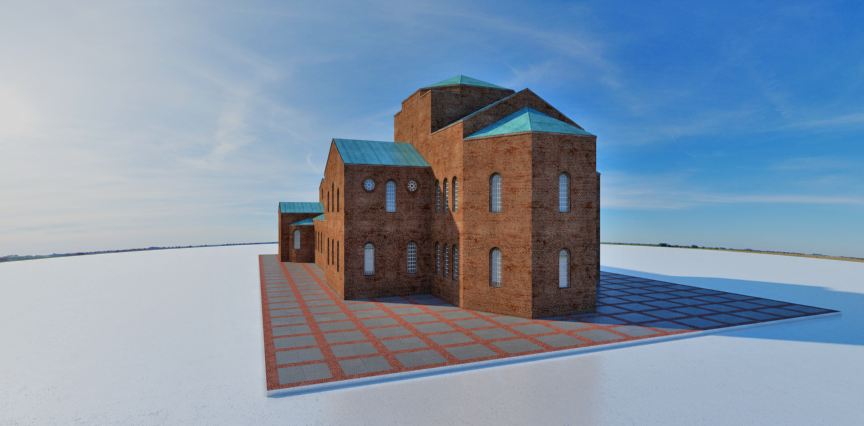
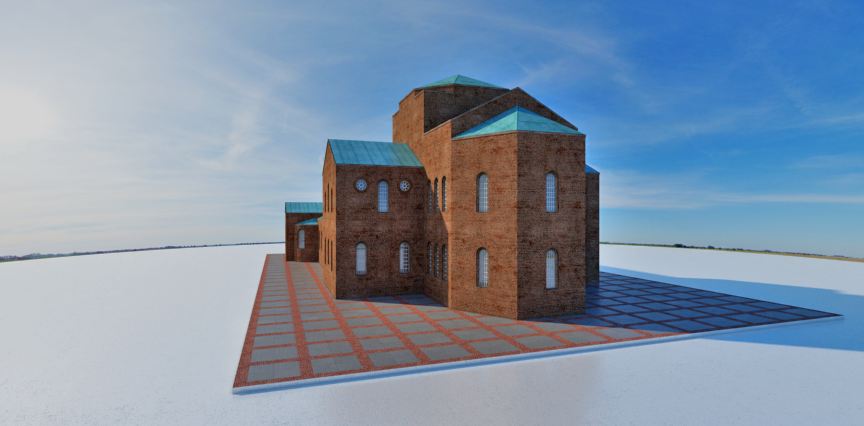
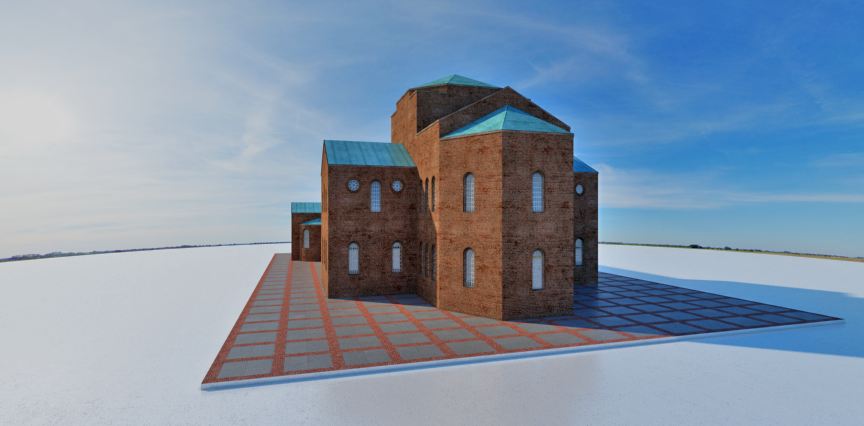
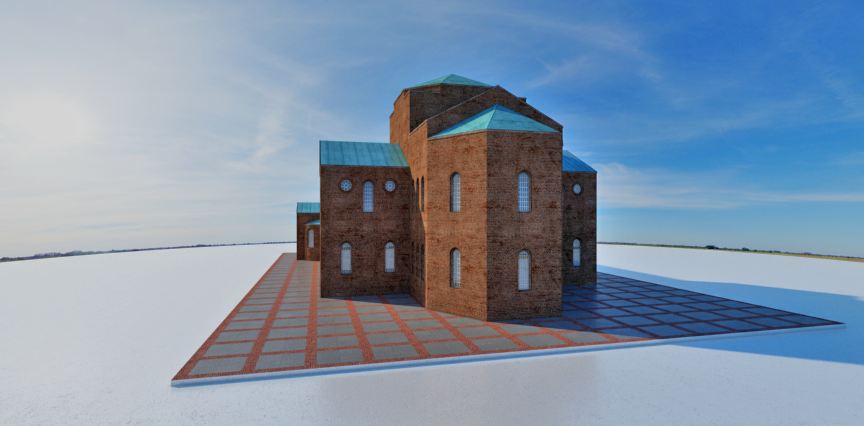
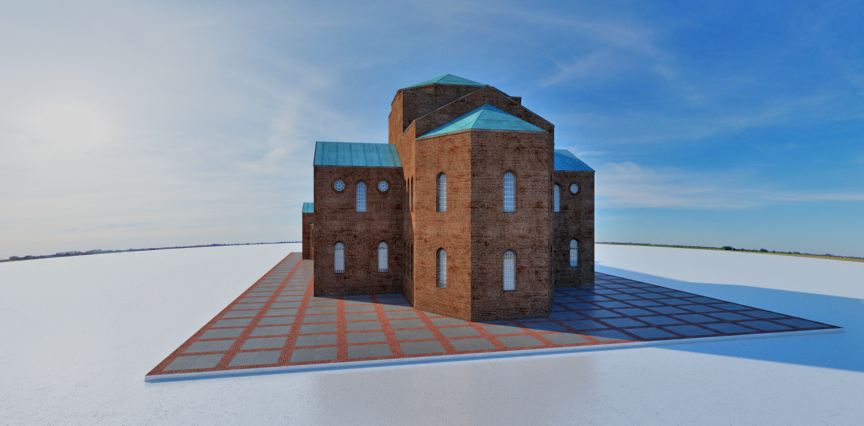
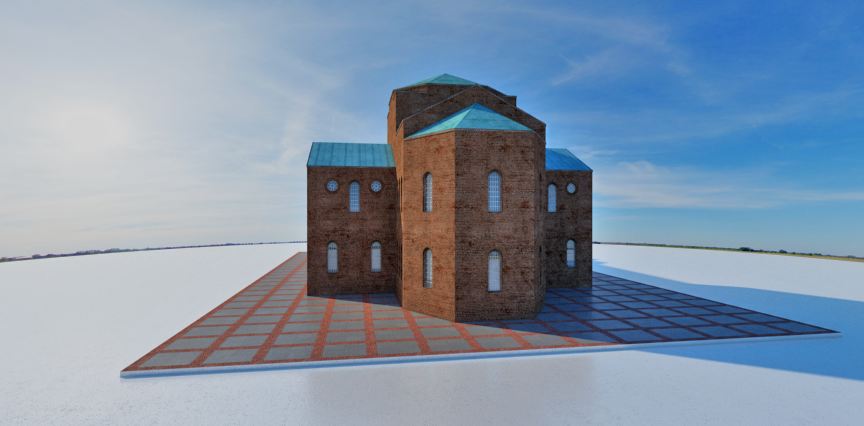
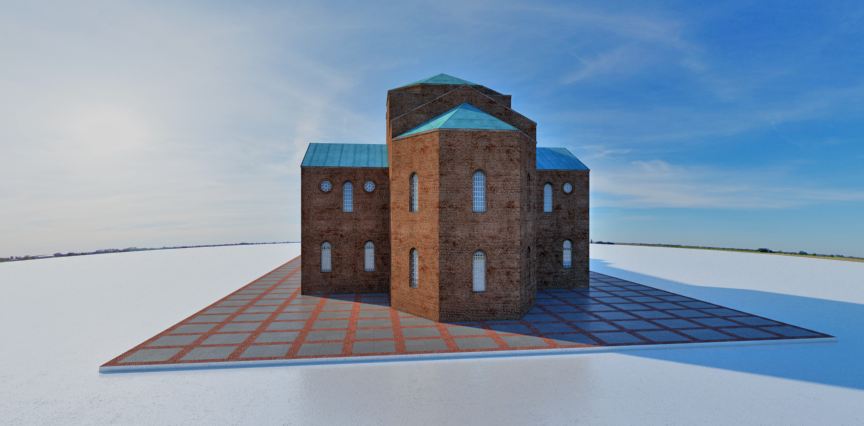
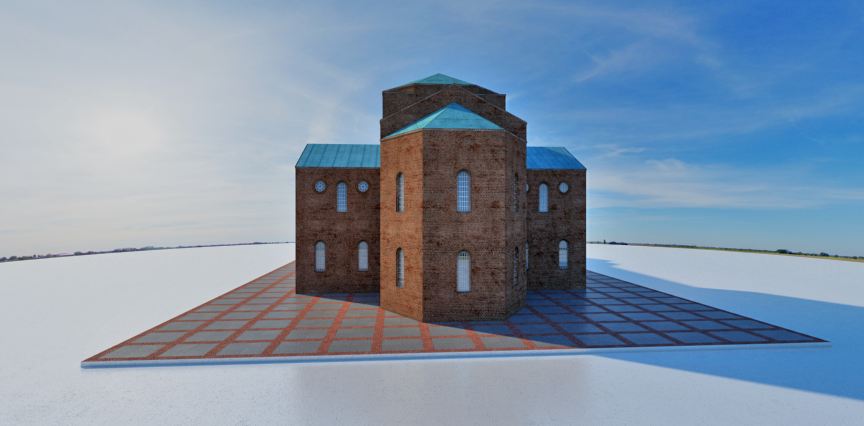
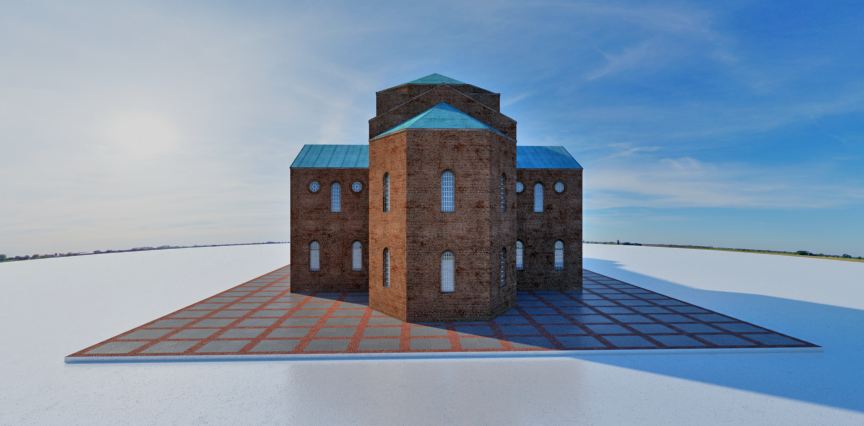
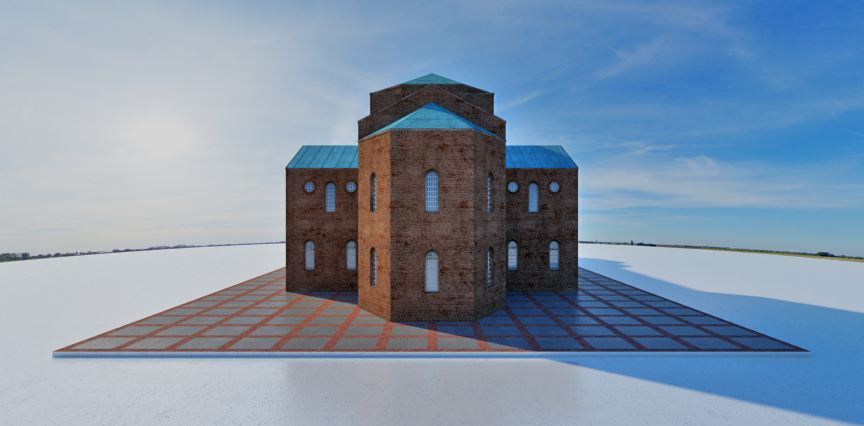
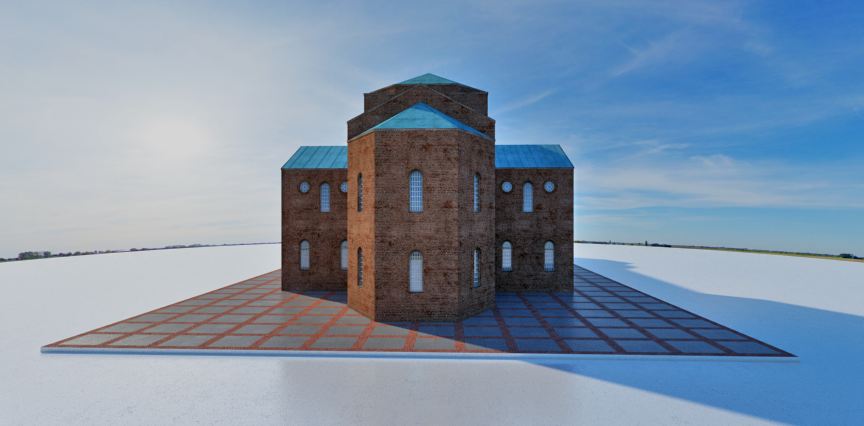
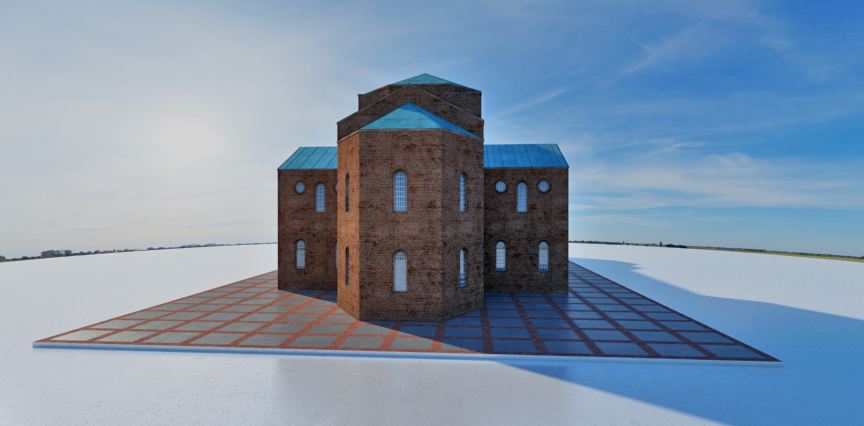
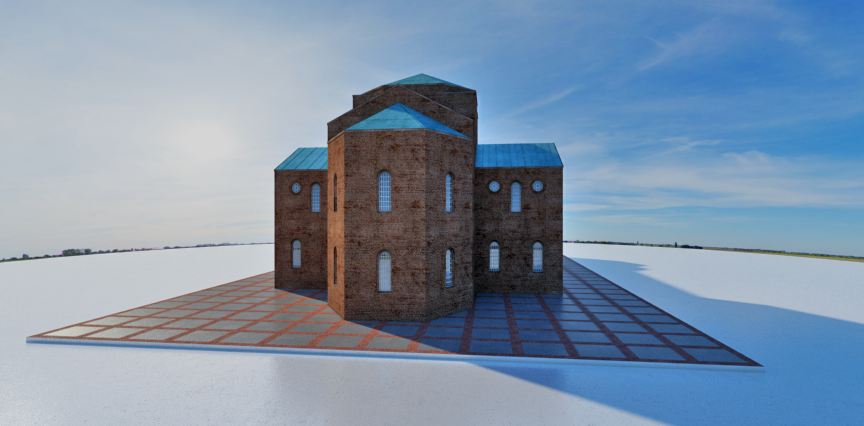
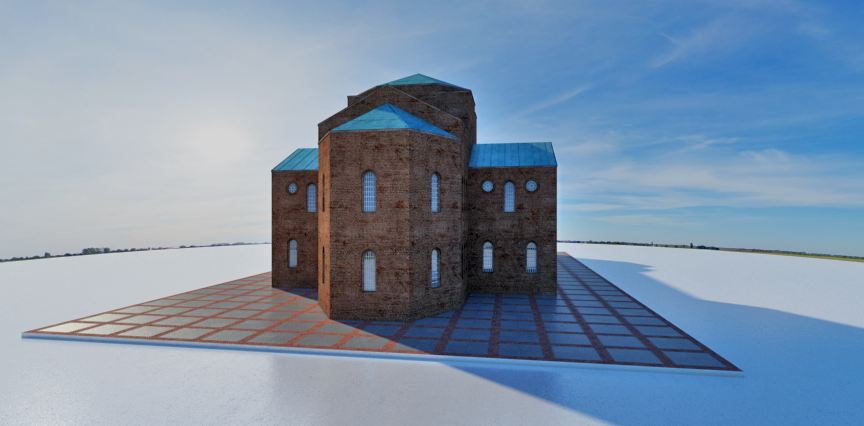
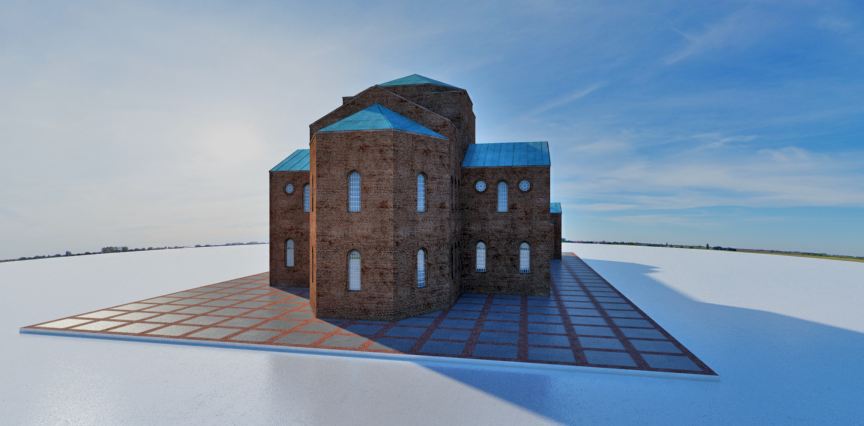
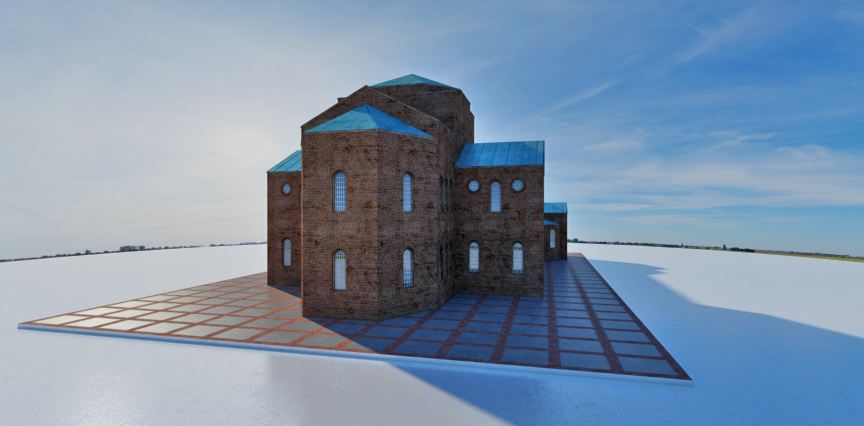
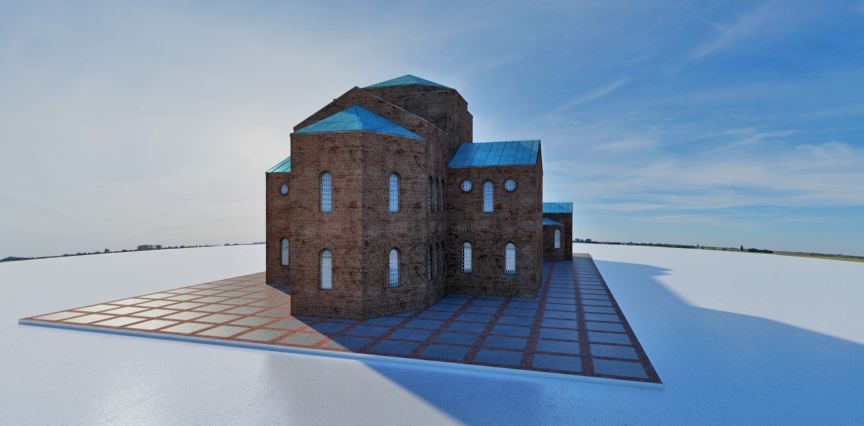
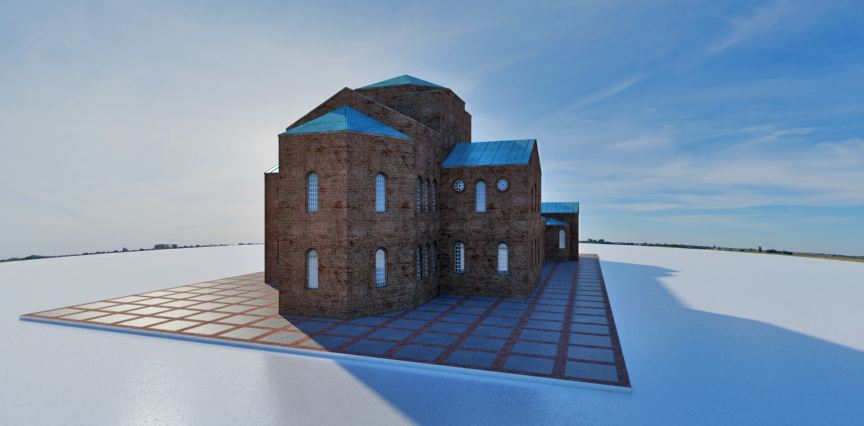
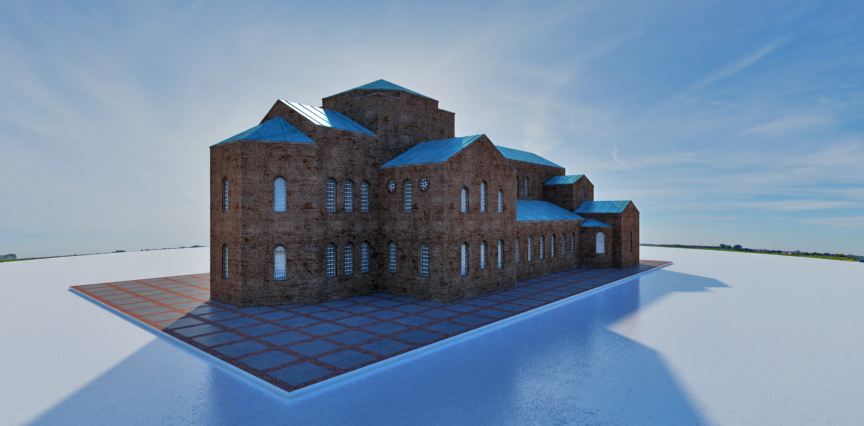
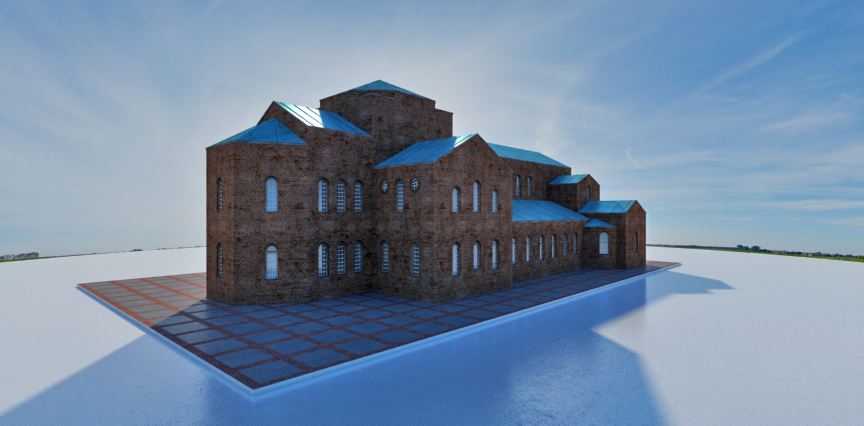
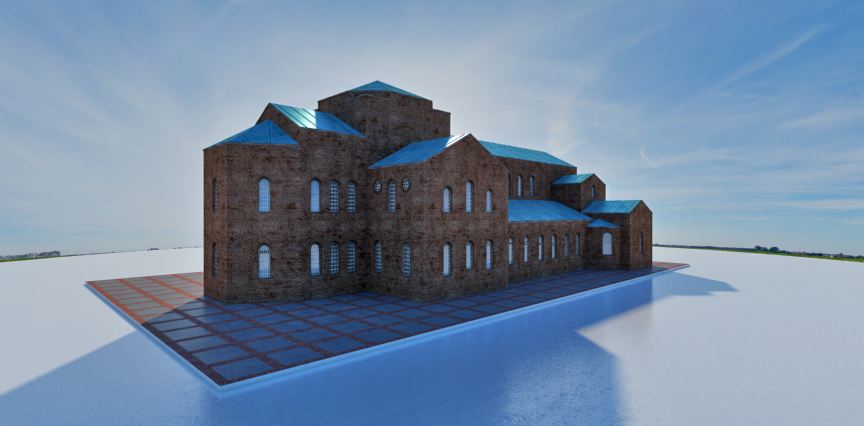
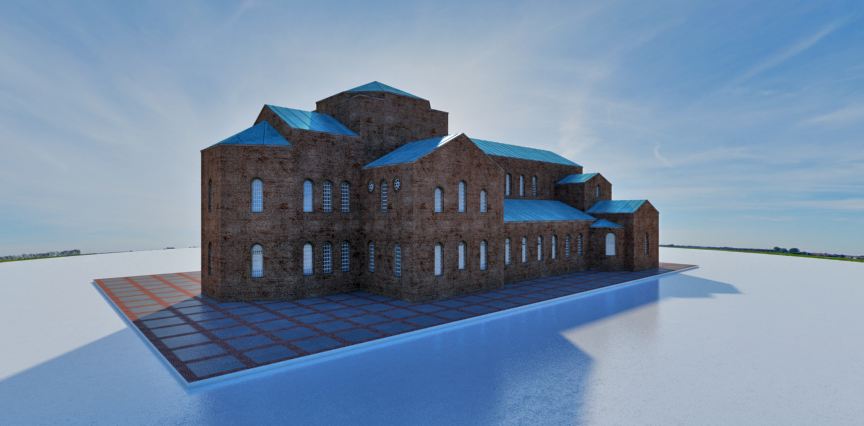
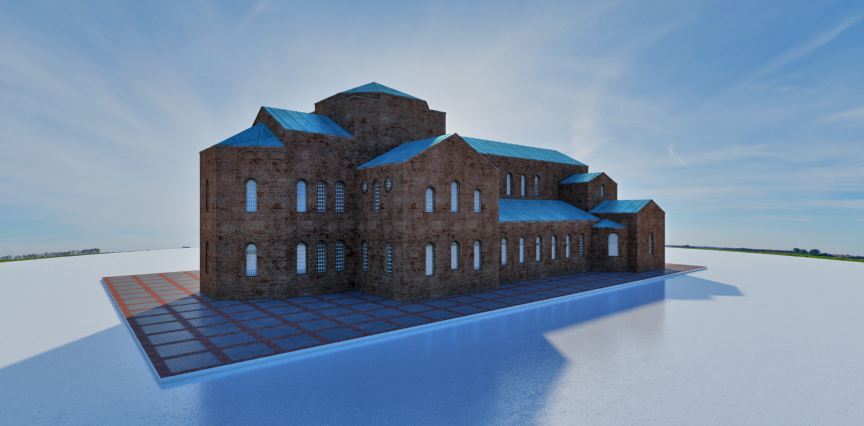
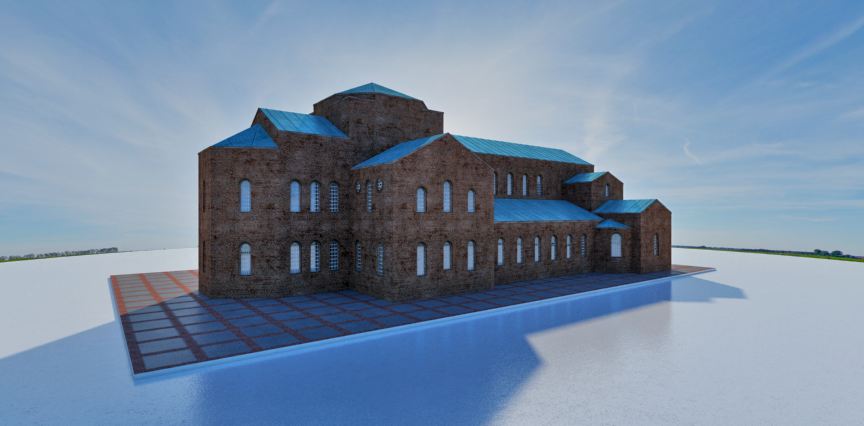
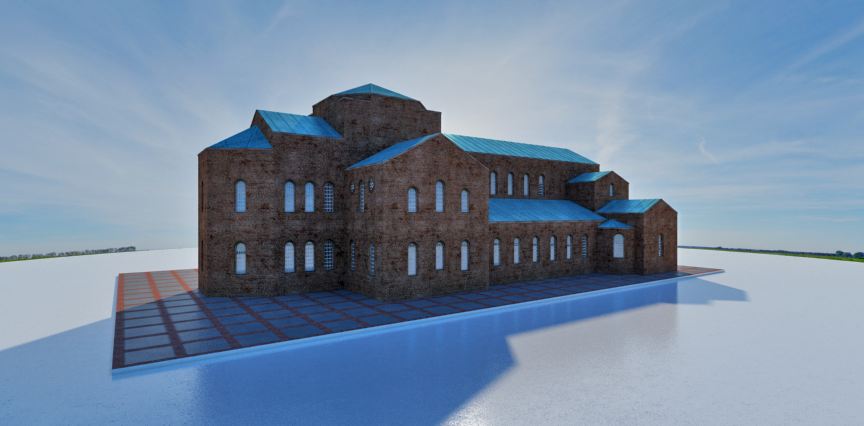
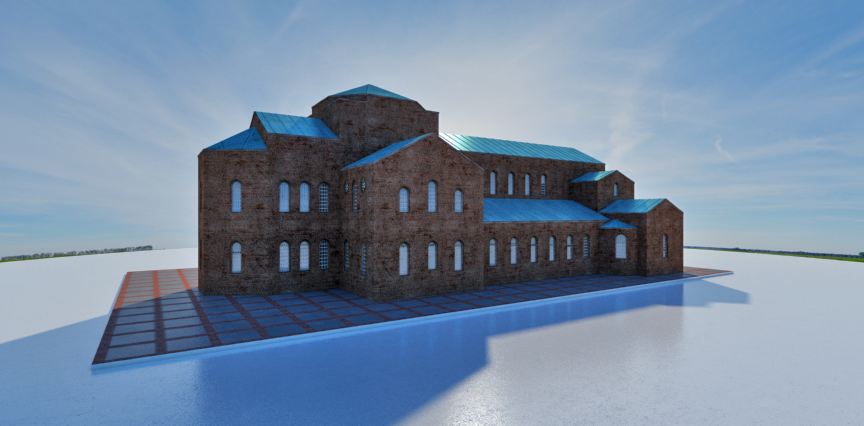
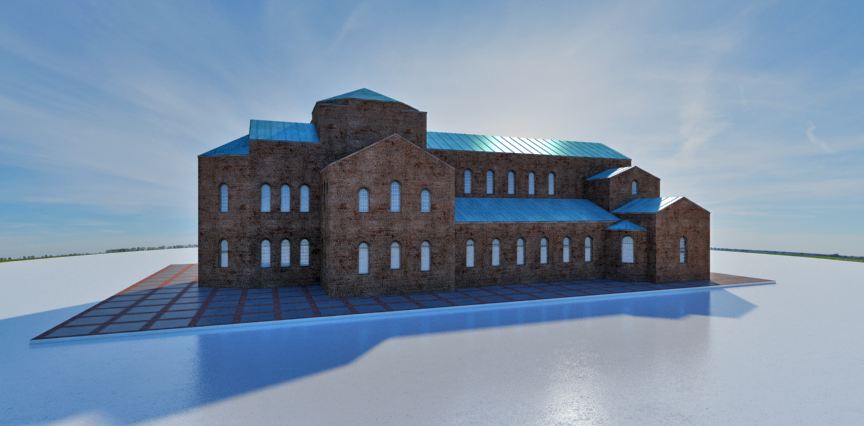
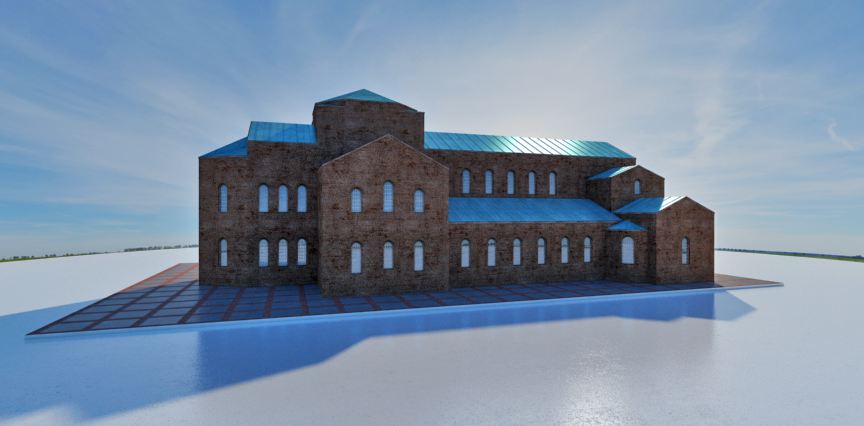
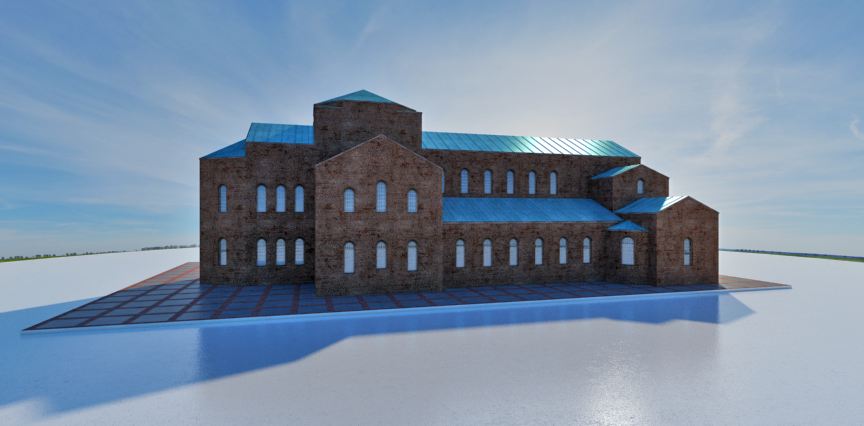
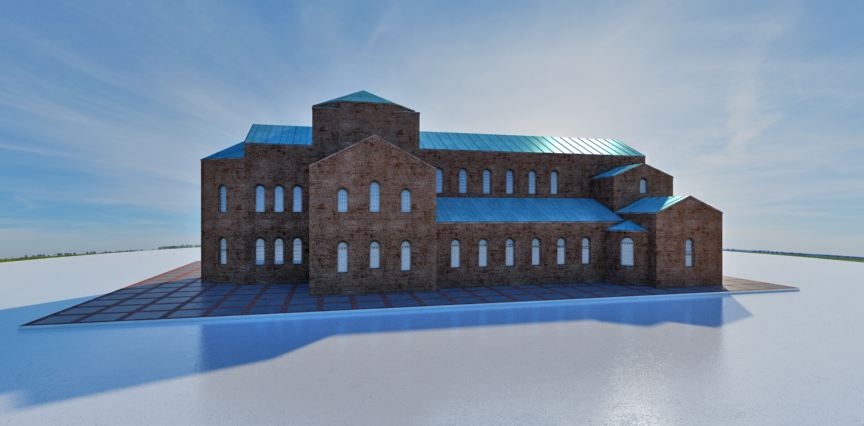
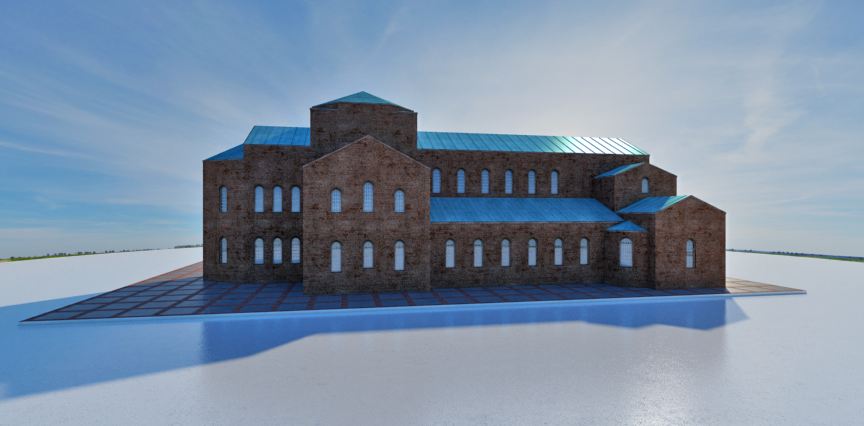
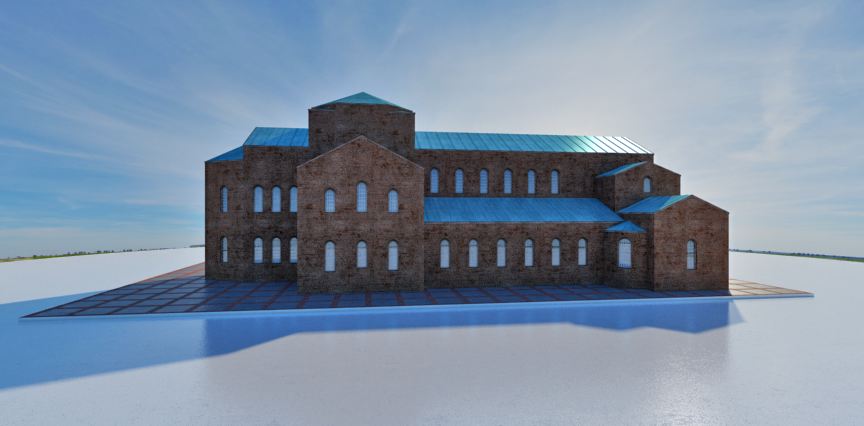
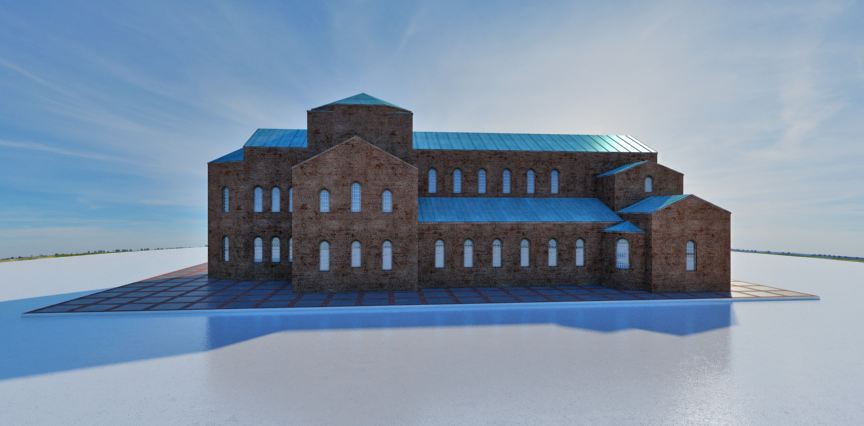
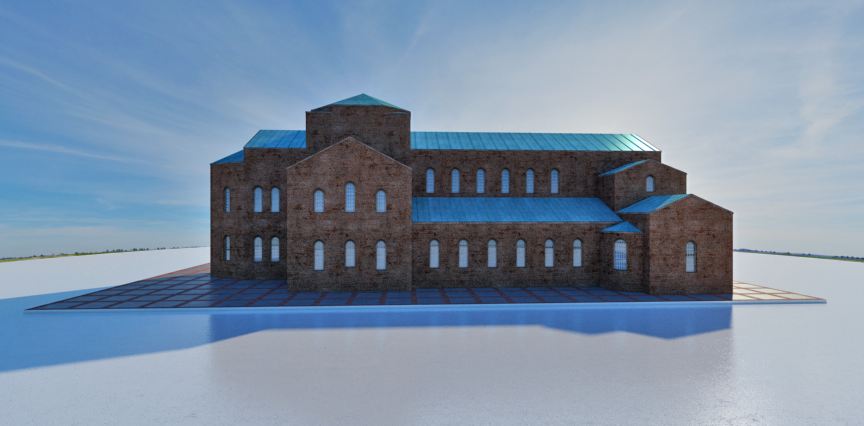
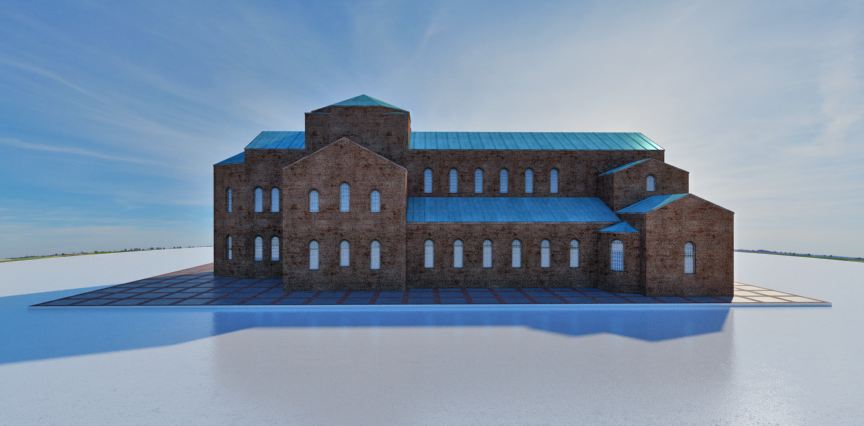
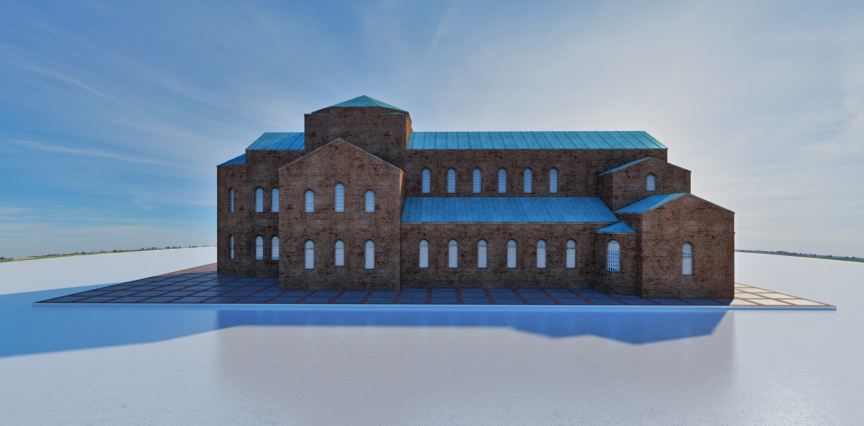
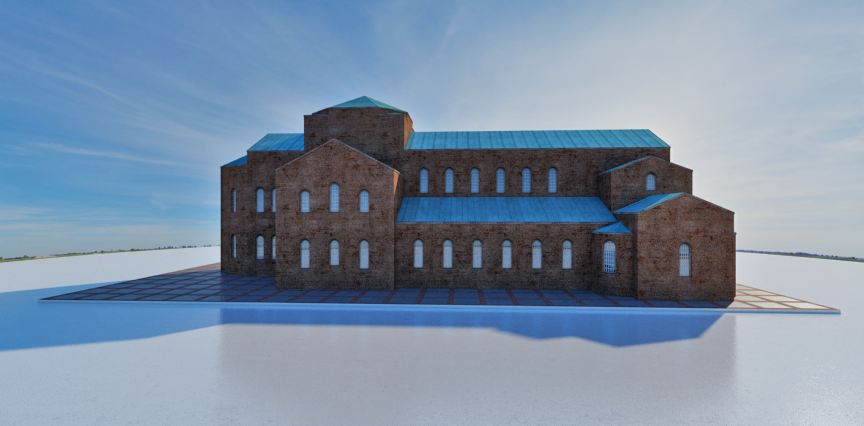
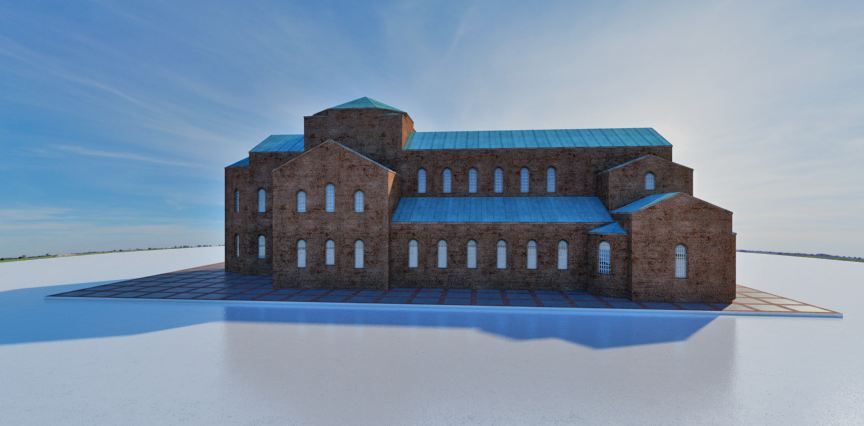
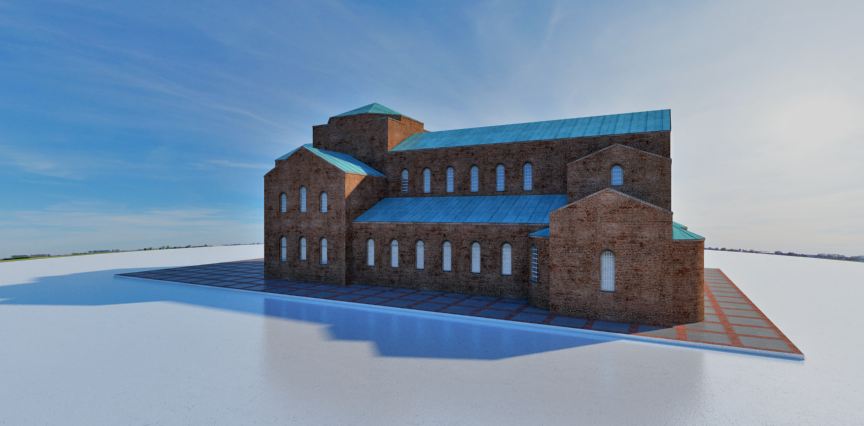
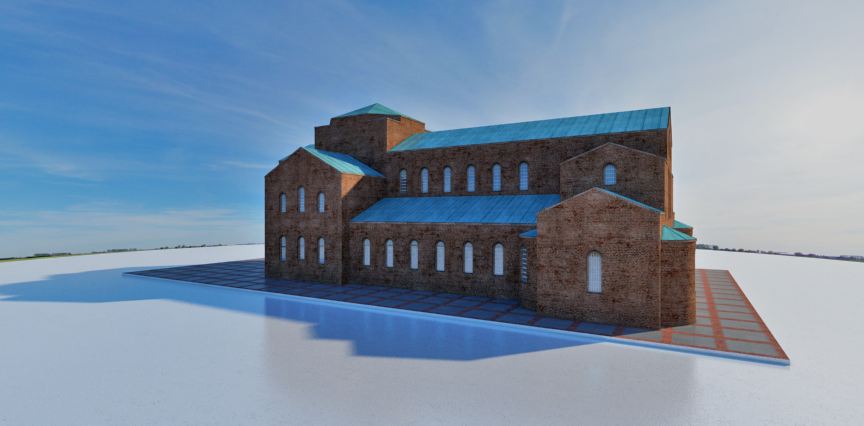
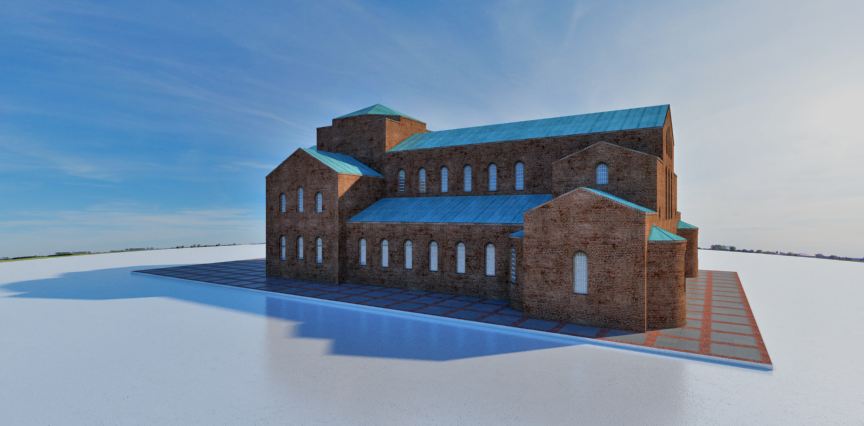
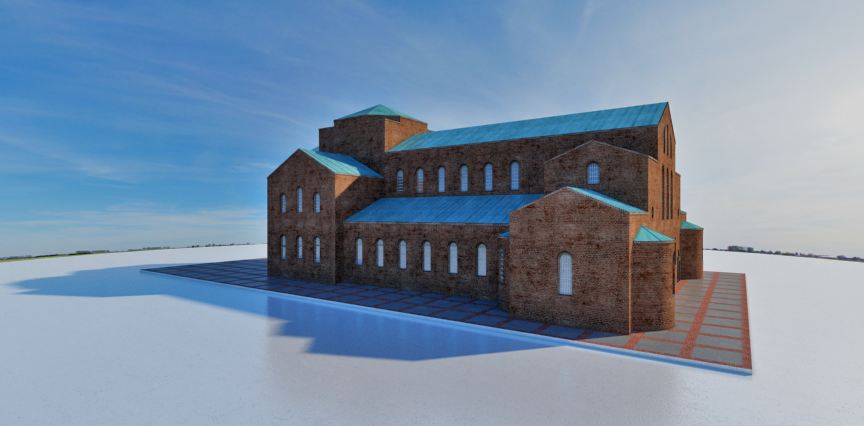
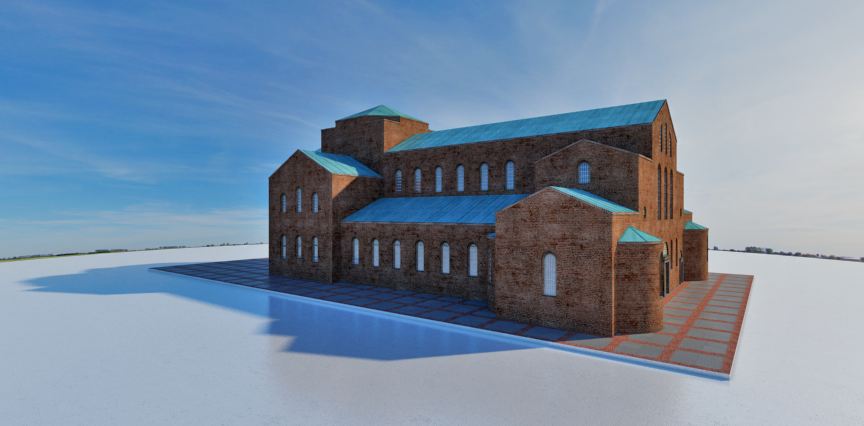
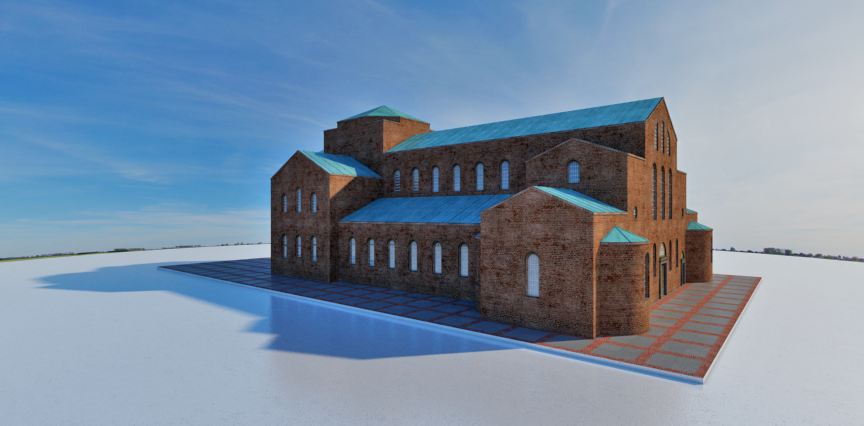
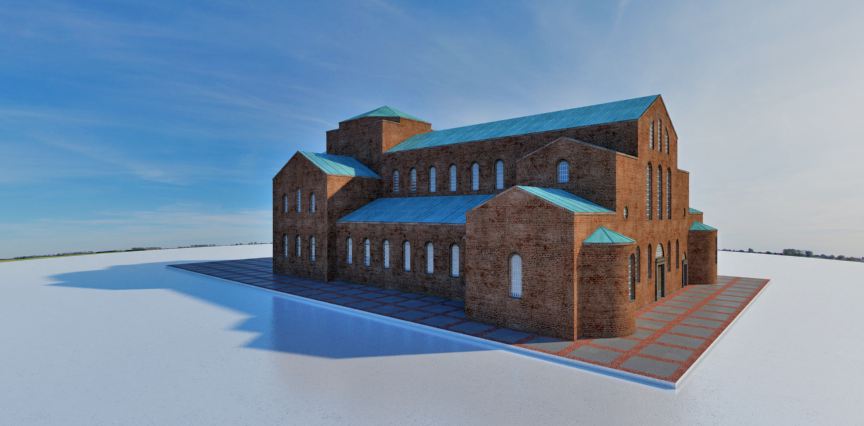
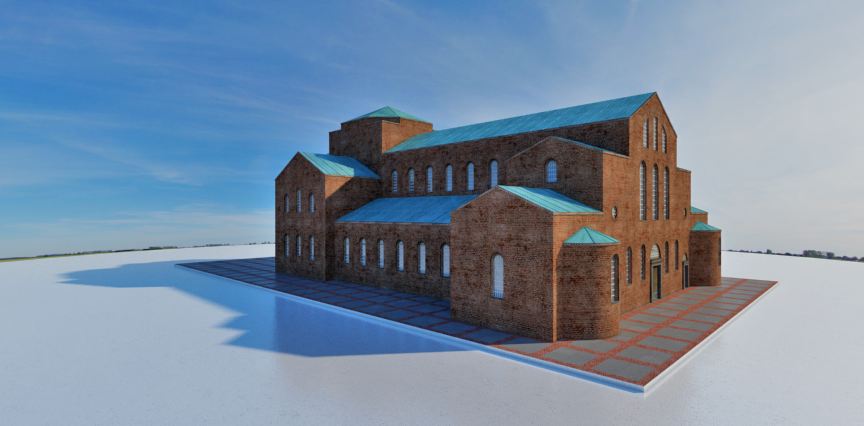
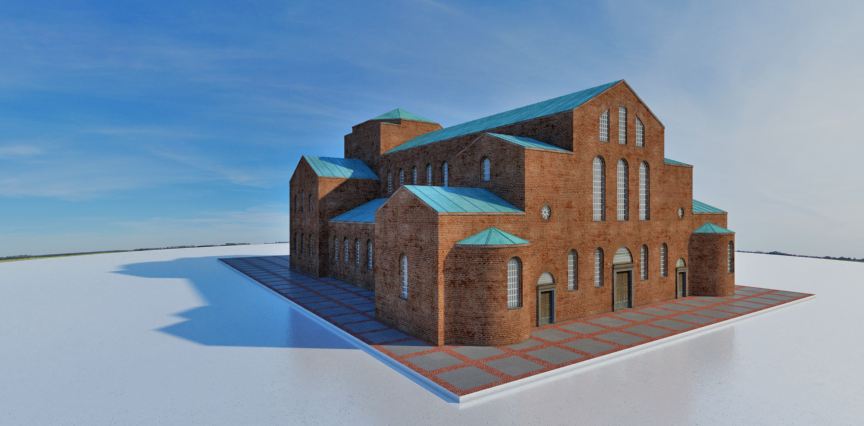
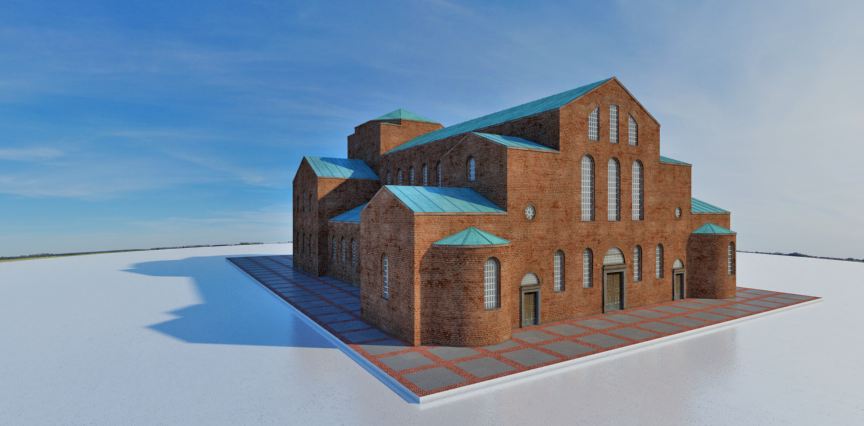
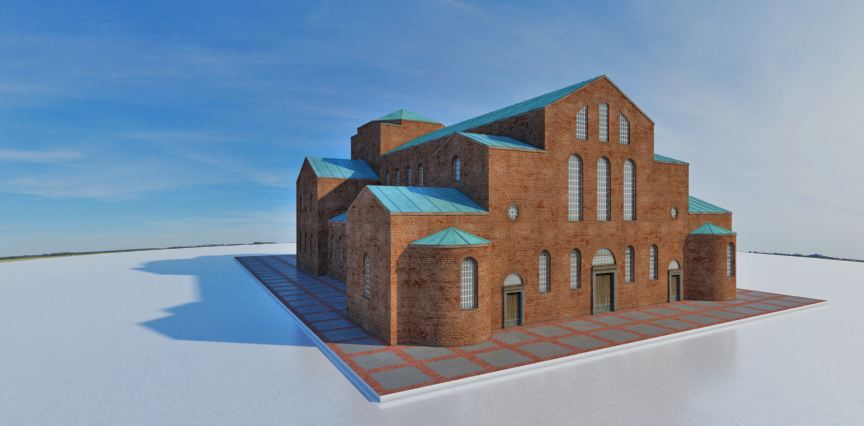
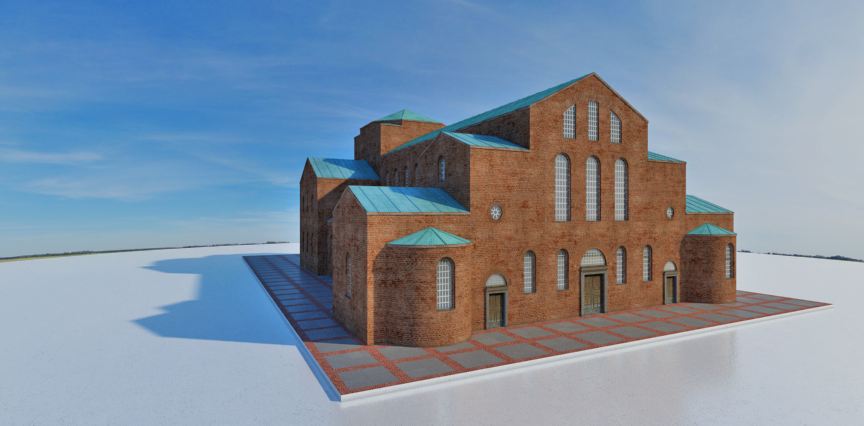
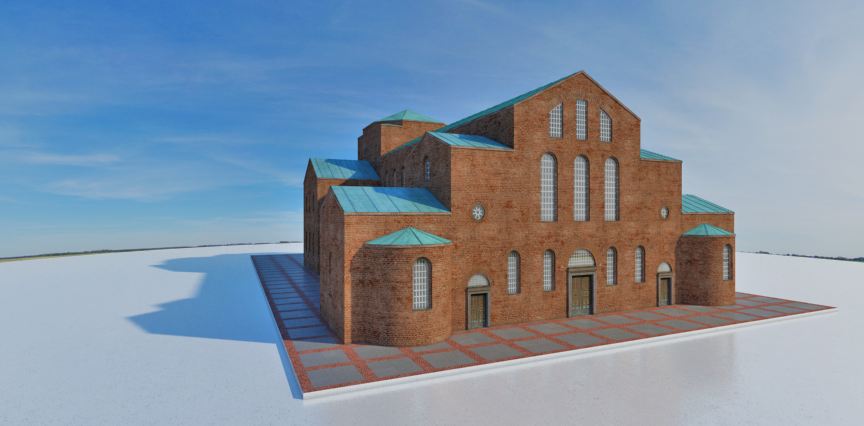
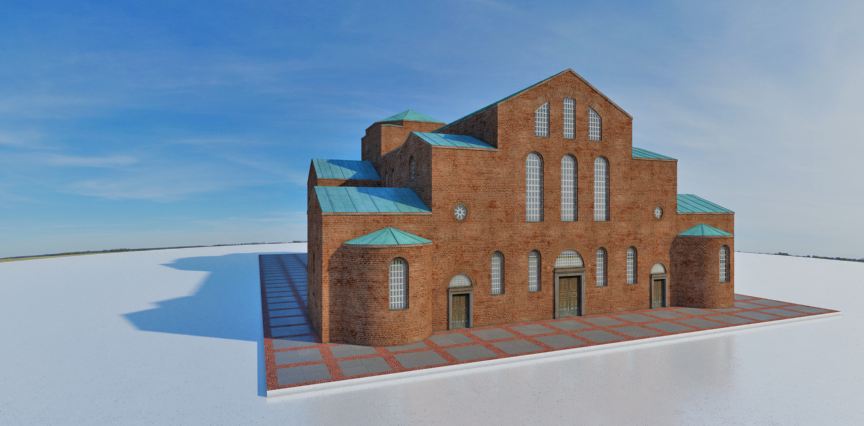
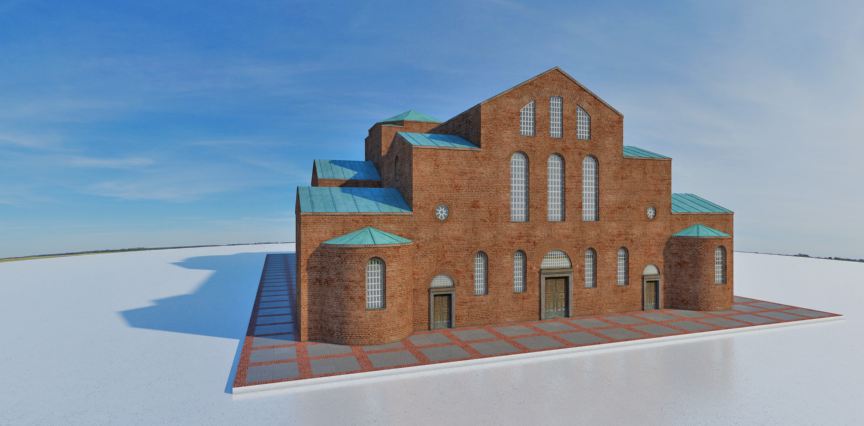
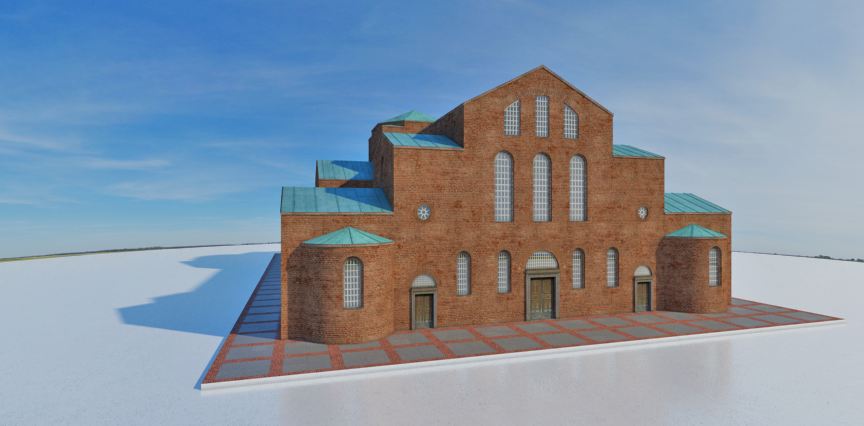
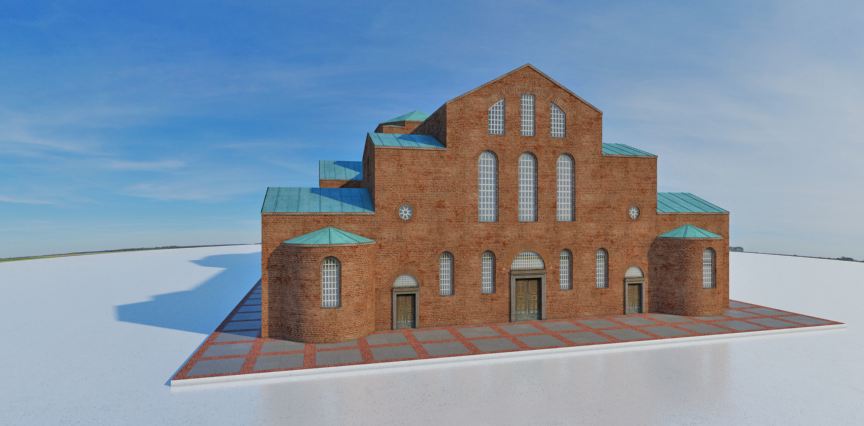
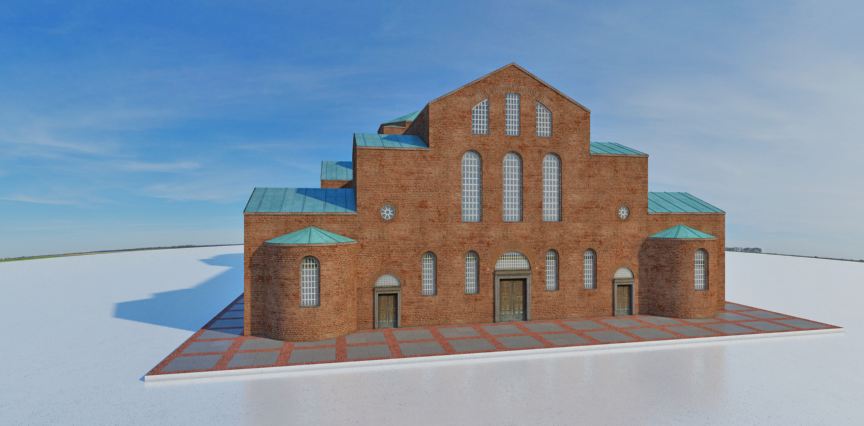
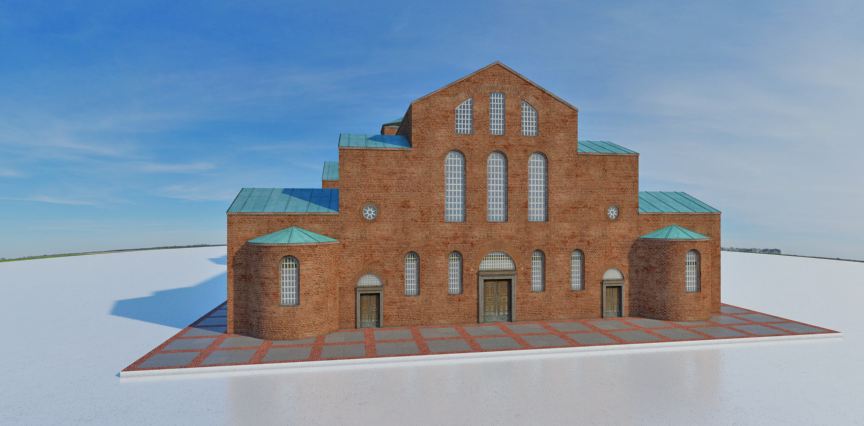
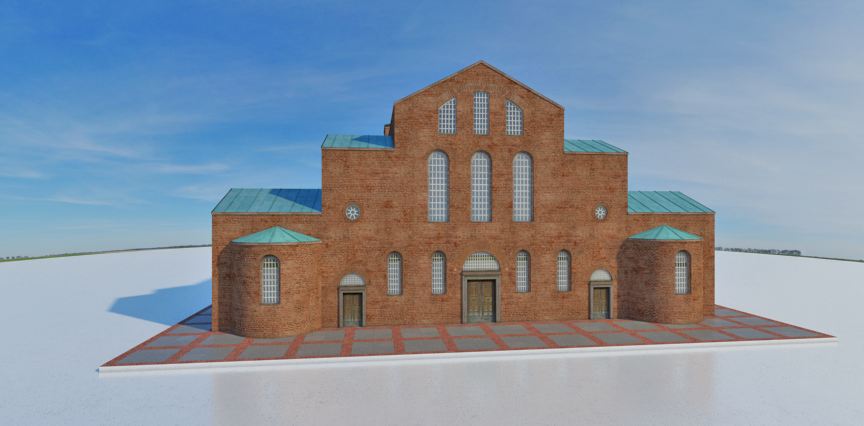
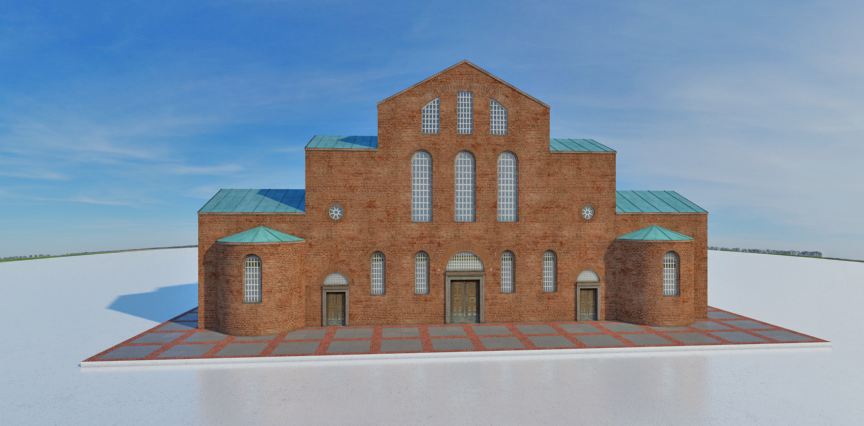
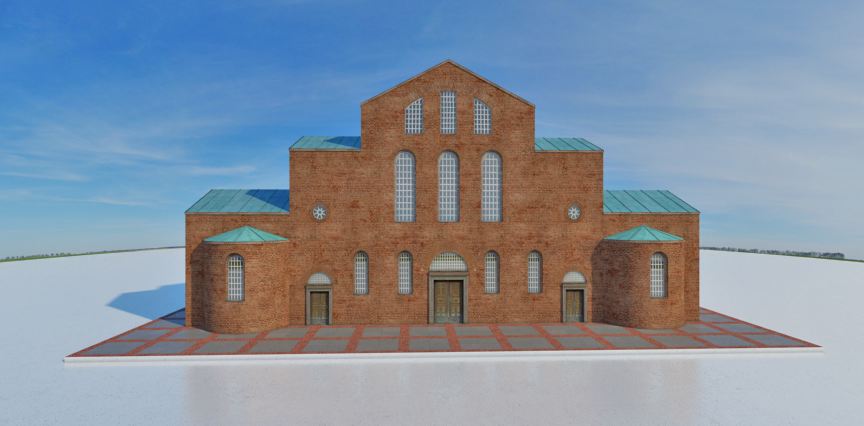
-
After the Ottoman invasion, the basilica was converted into a mosque and its murals were wiped out. The unique frescoes from the 12th century, older than those in the Boyana church, were erased.
-
The grave of the great Bulgarian national writer Ivan Vazov is located under a Babylon Willow in the south-west garden of the church.
-
Nowadays, the church has no belfry. Its bell is hanging on a high centuries-old tree at the entrance of the park. According to the legend, this is a tribute to the liberation from Ottoman domination. This was the exact place where the bell rang to welcome the troops of Russian liberators, lead by General Gurko.
The history of Sofia city is closely associated with the church "St. Sofia", which like the "Hagia Sofia" in Constantinople is dedicated to the "The Holy Wisdom of God " - one of the names of the young Jesus Christ.
At this very place, in the first quarter of IV the first Christian church was built, in the area of the ancient city of Serdica (the old name of Sofia city). It was moderate sized, with an area of 25 square meters. It is assumed that the building has been a martyrium – a place where the first Christian martyrs have been buried, a chapel in homage to martyrs.
GALLERY
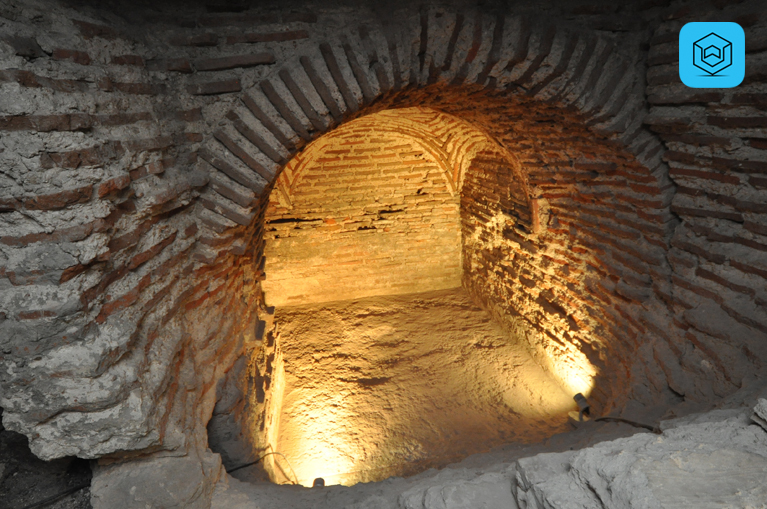
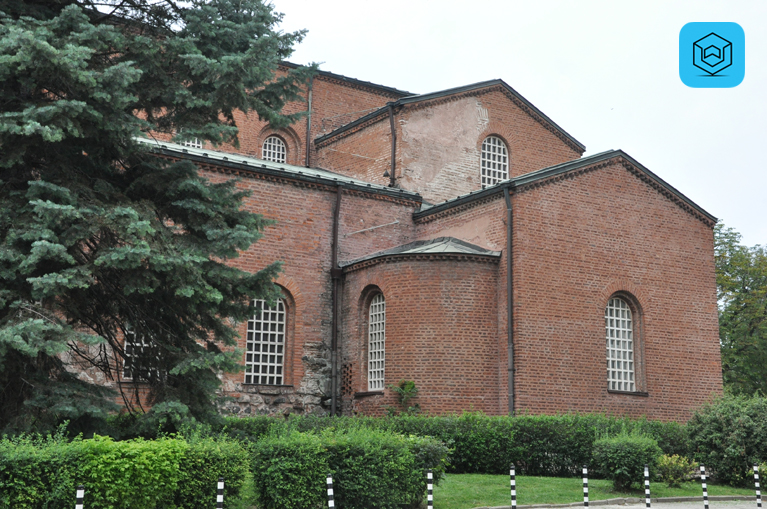
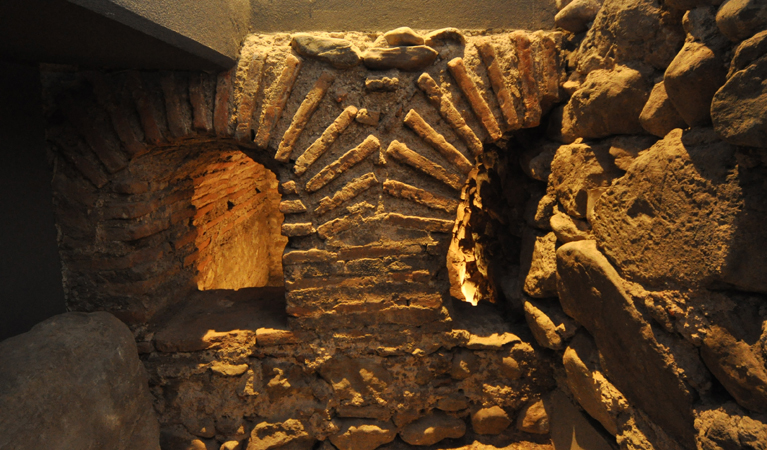
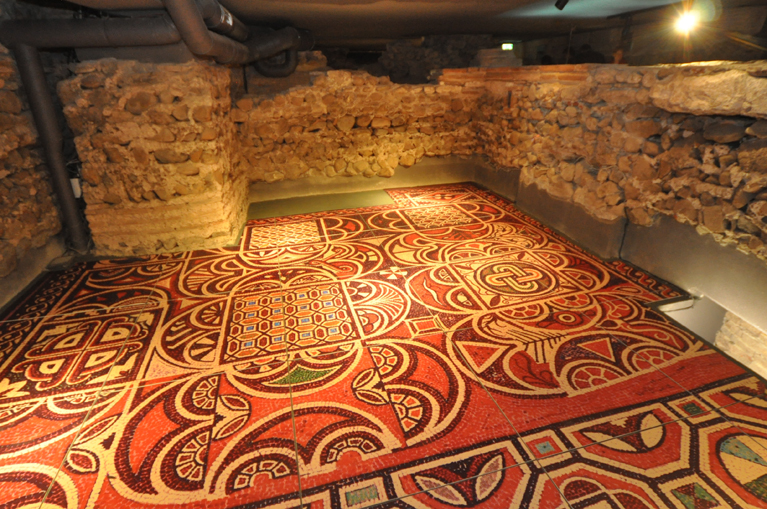
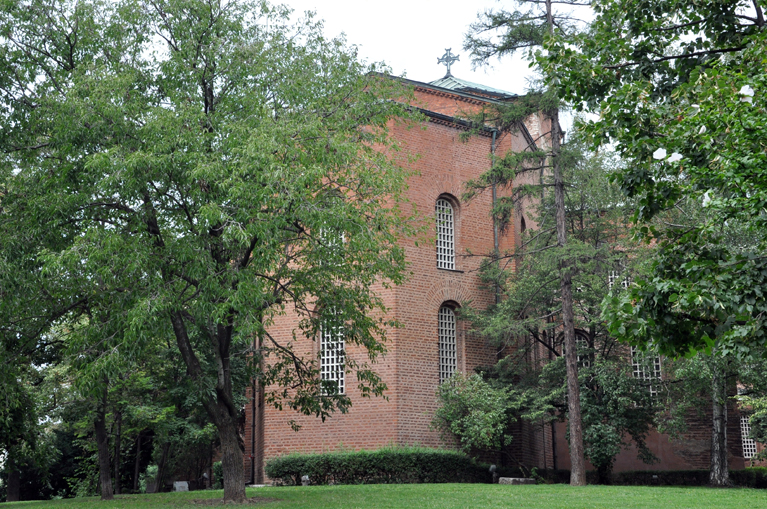
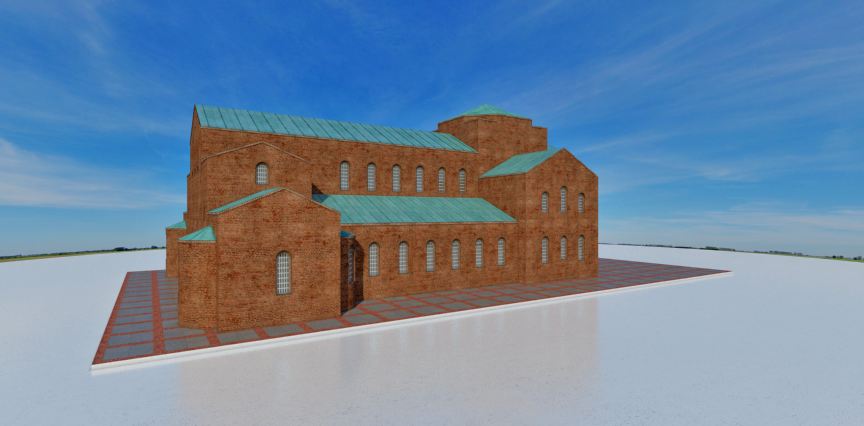
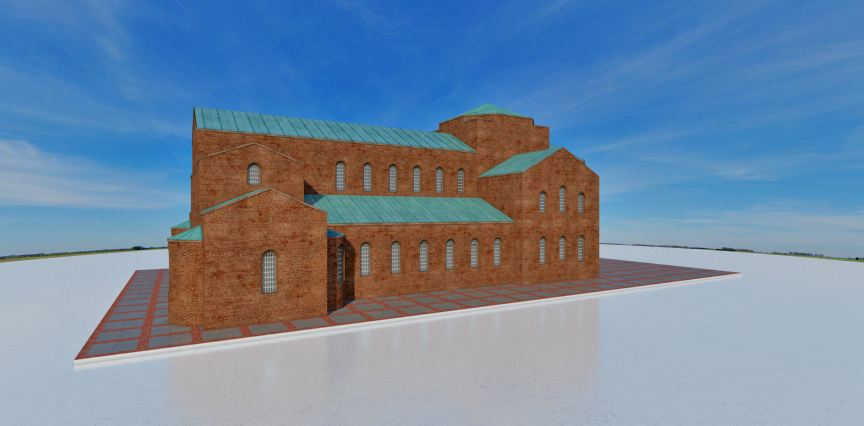
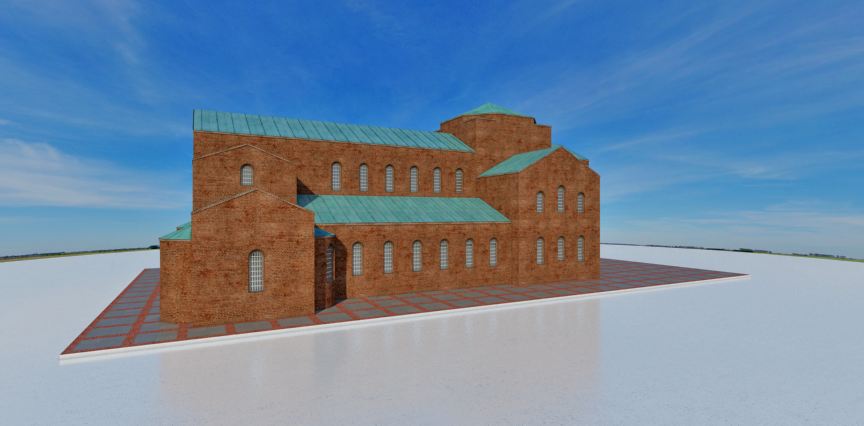
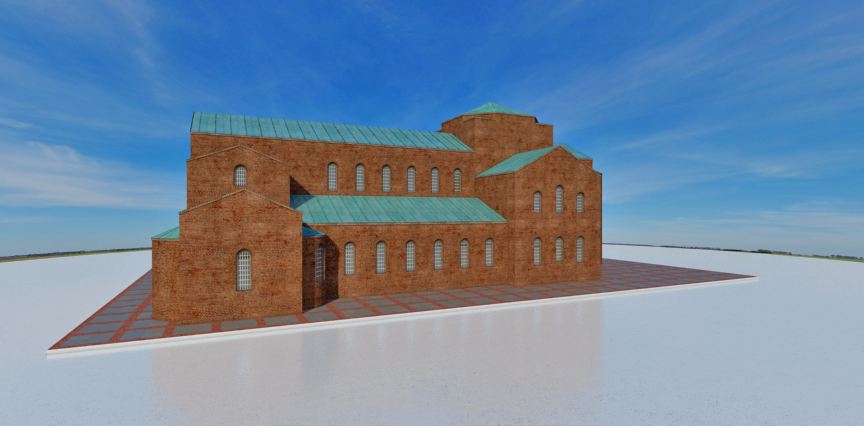
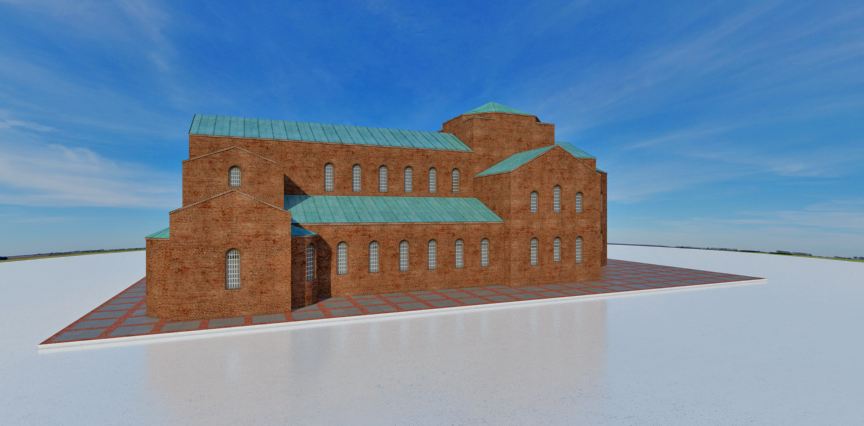
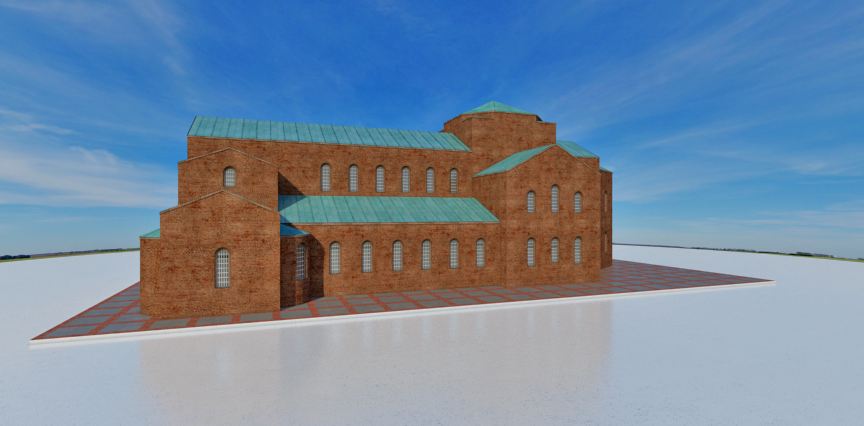
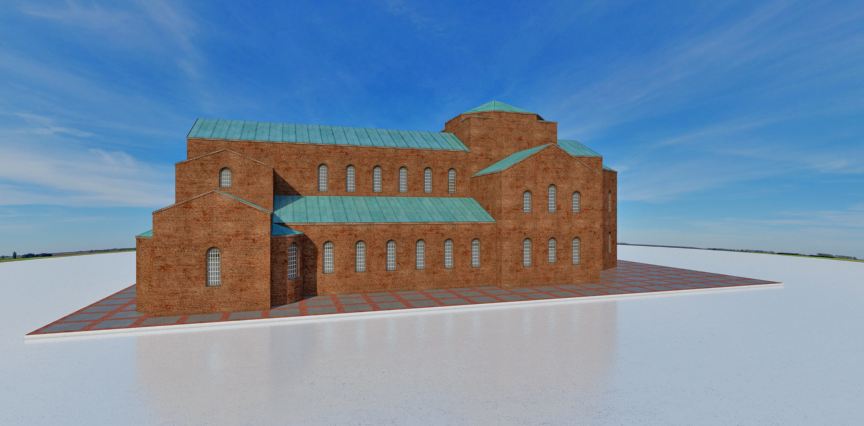
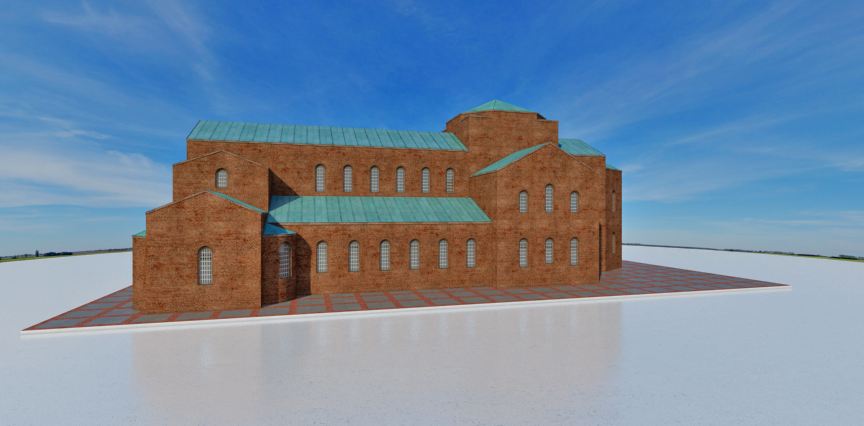
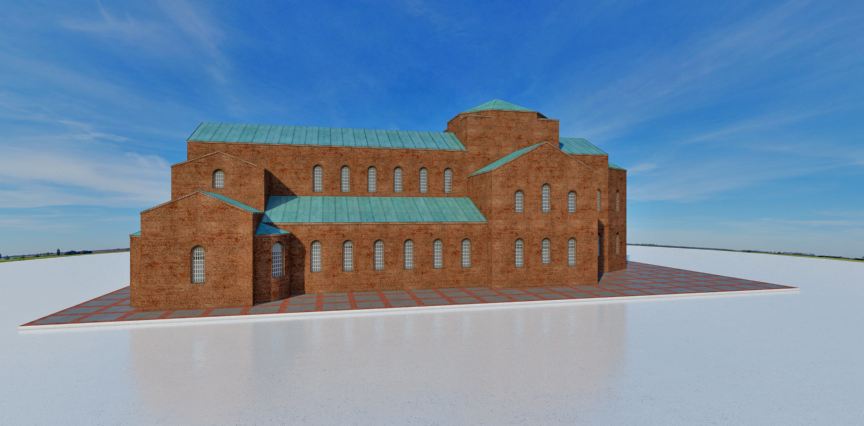
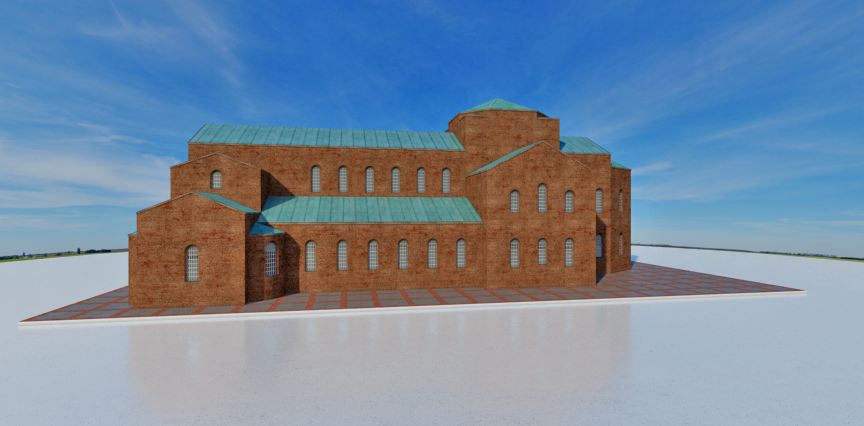
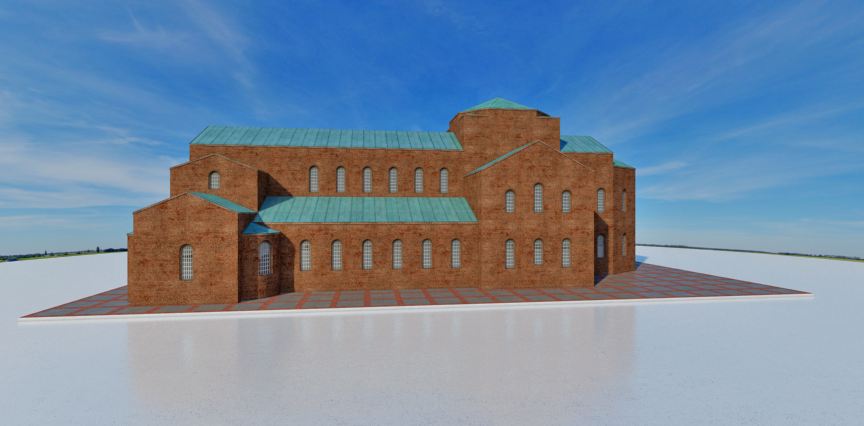
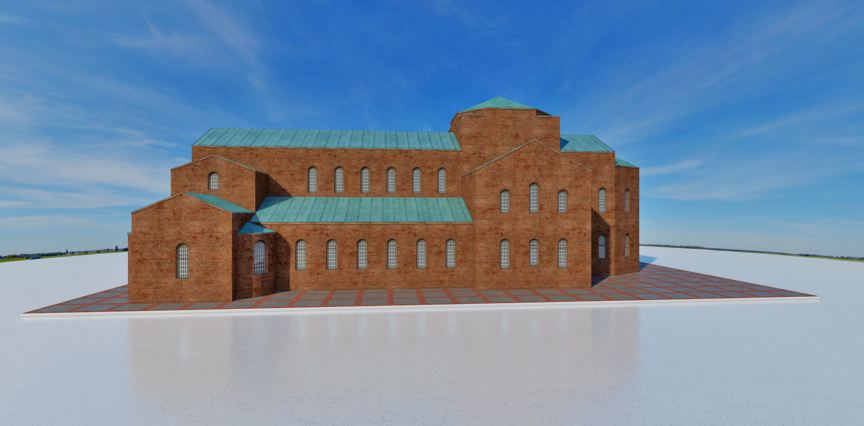
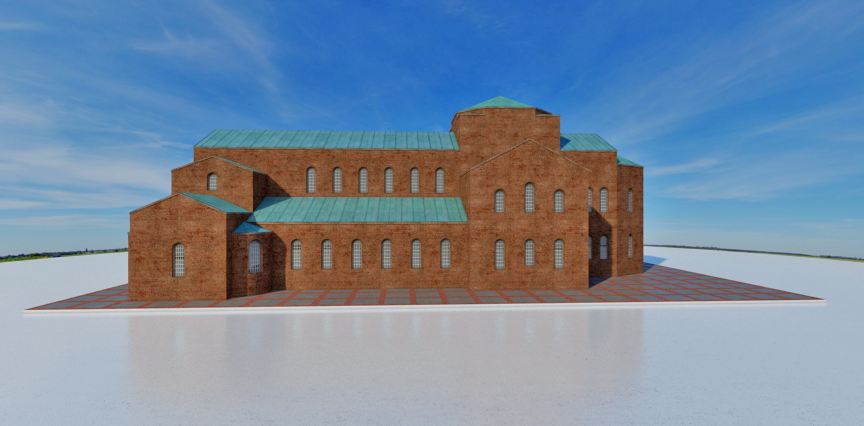
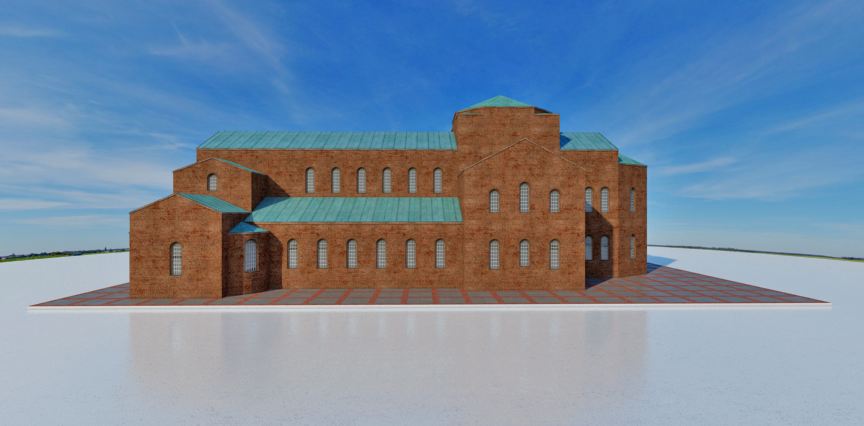
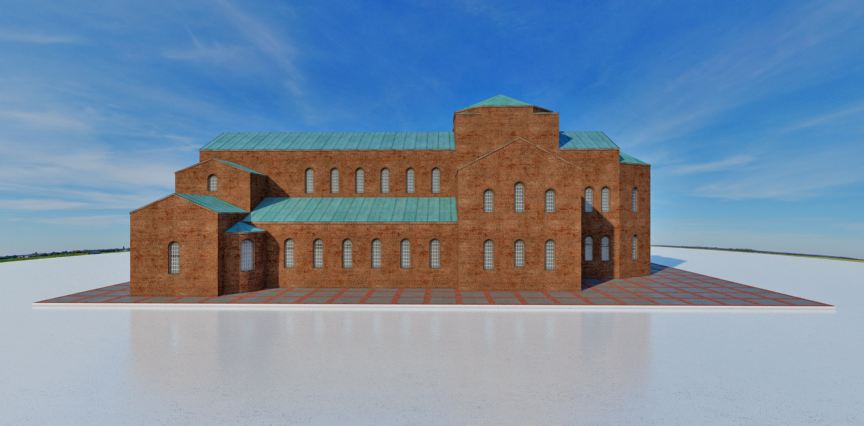
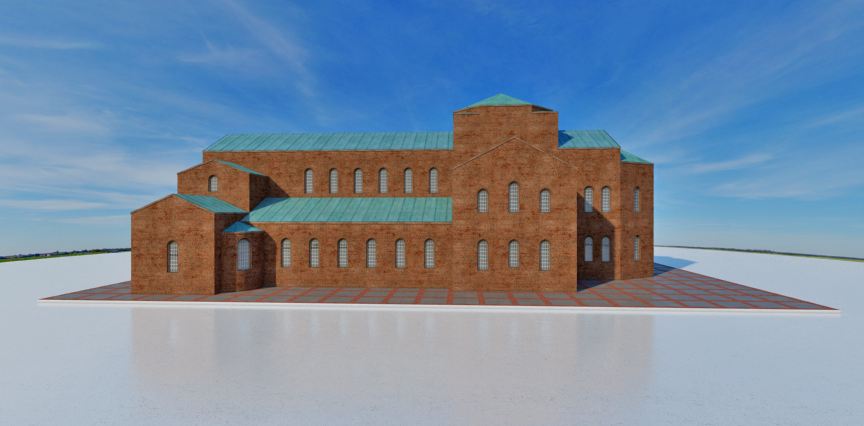
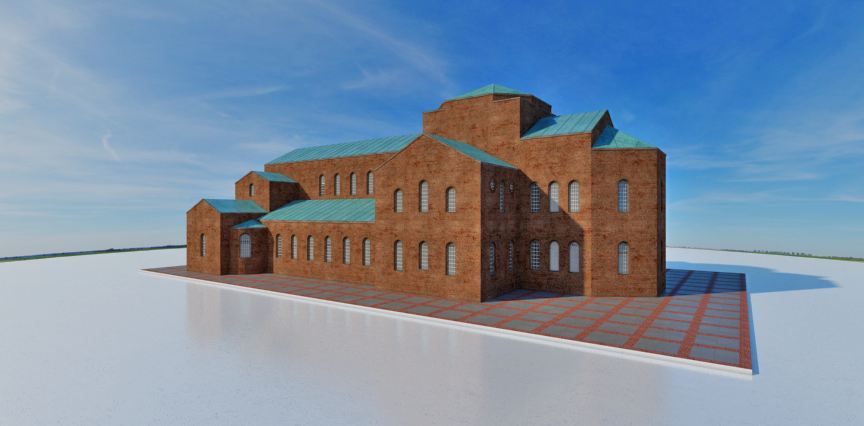
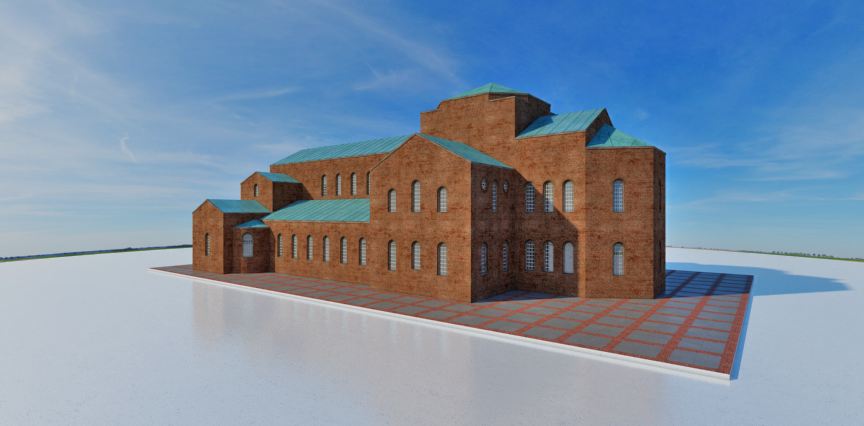
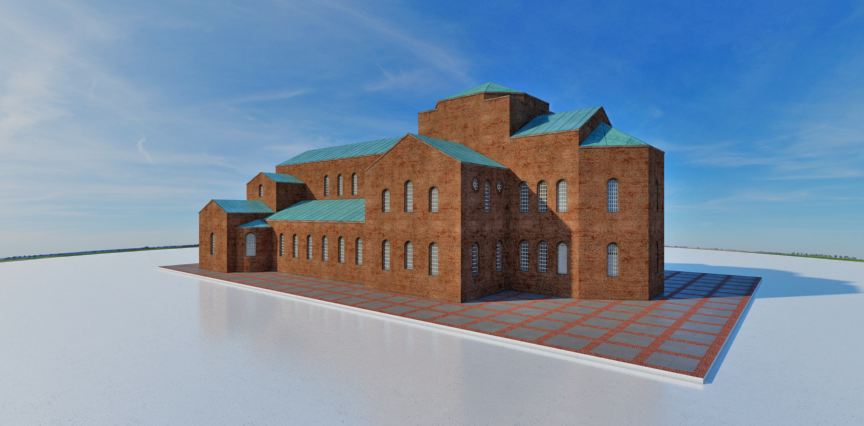
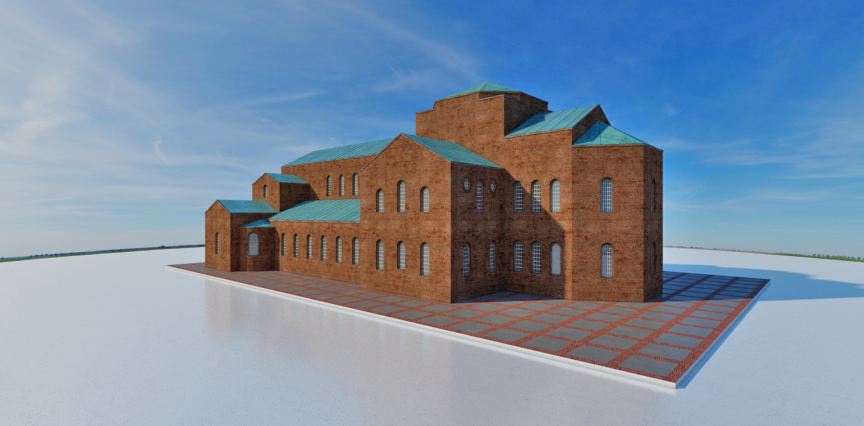
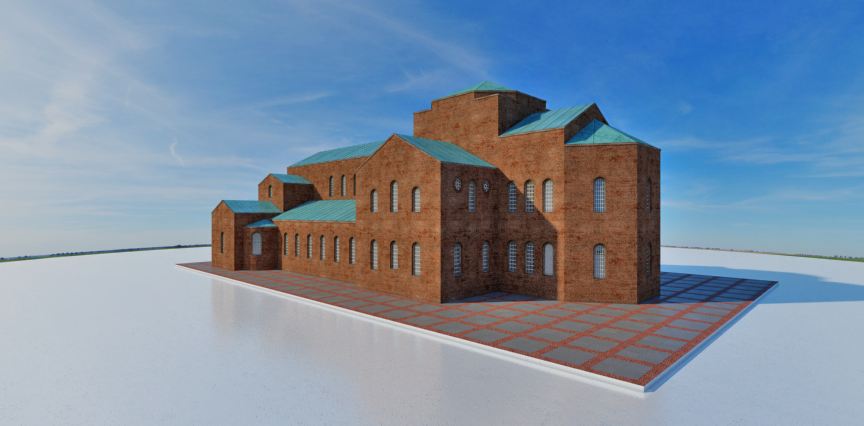
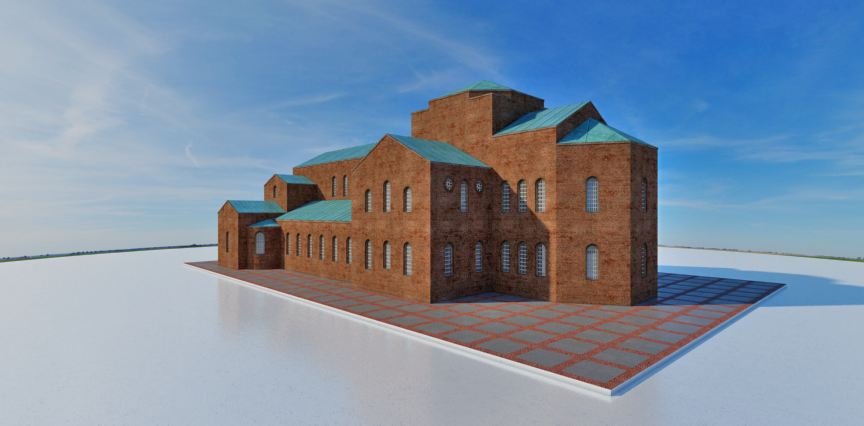
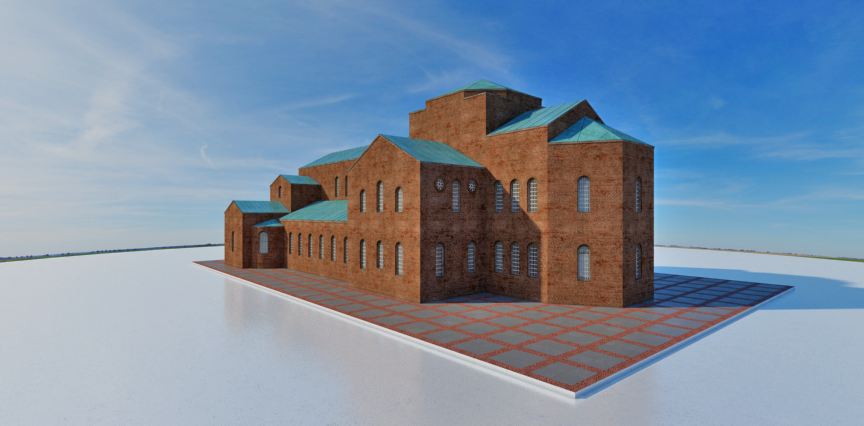
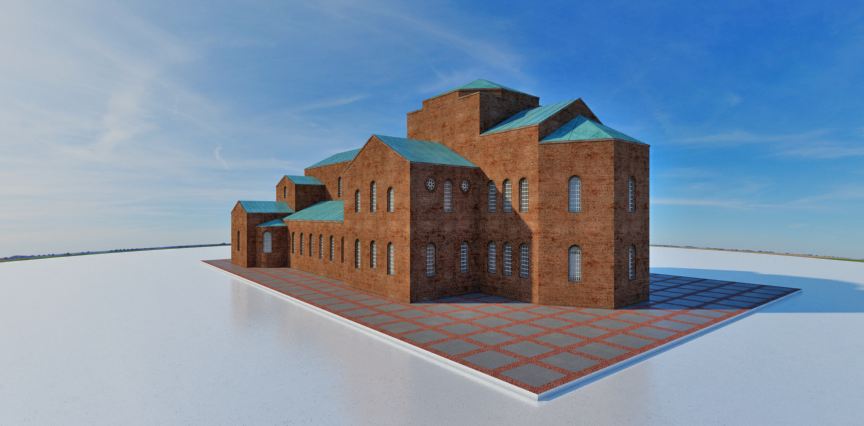
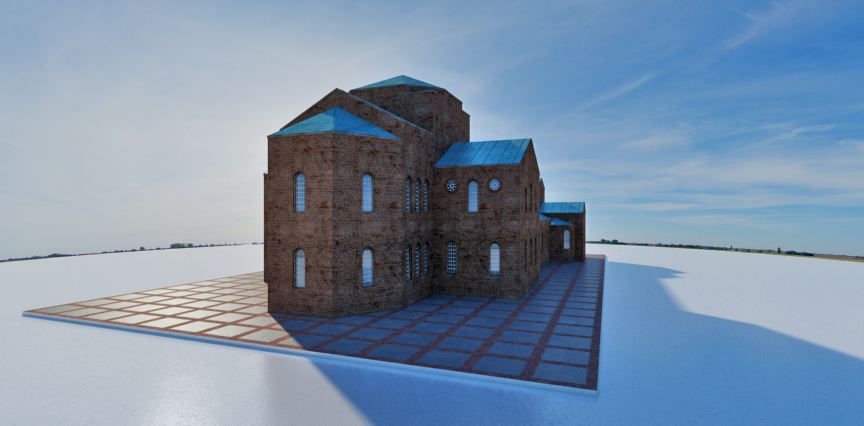
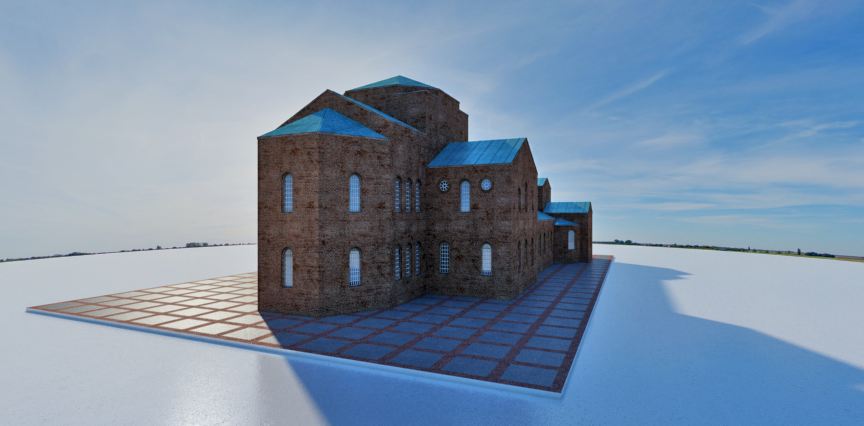
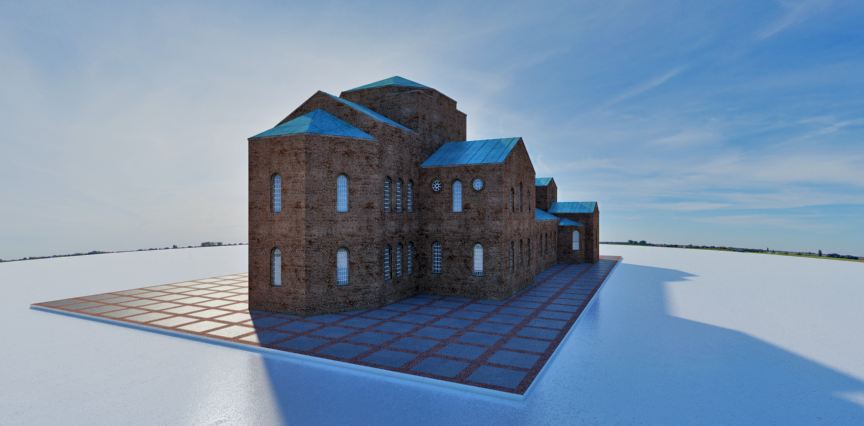
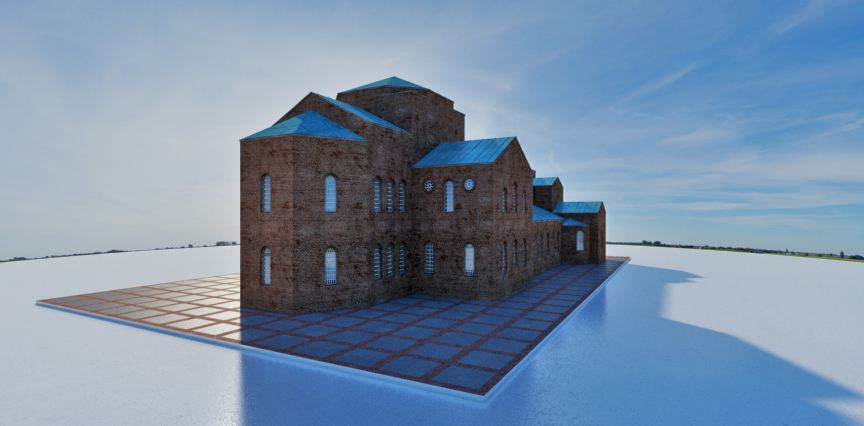
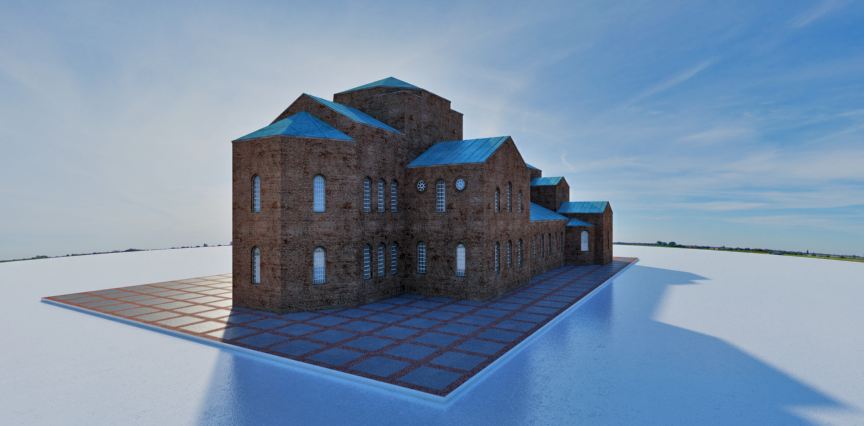
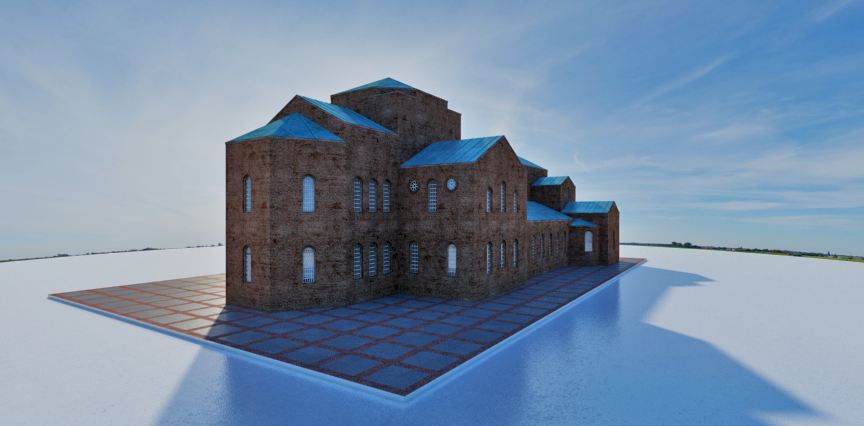
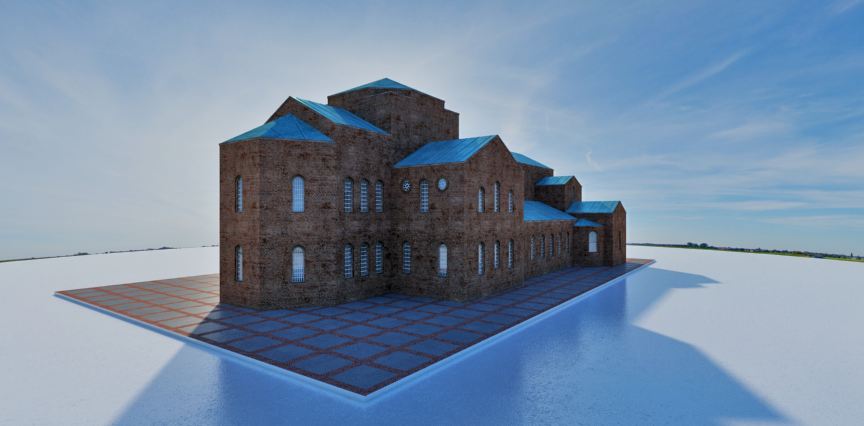
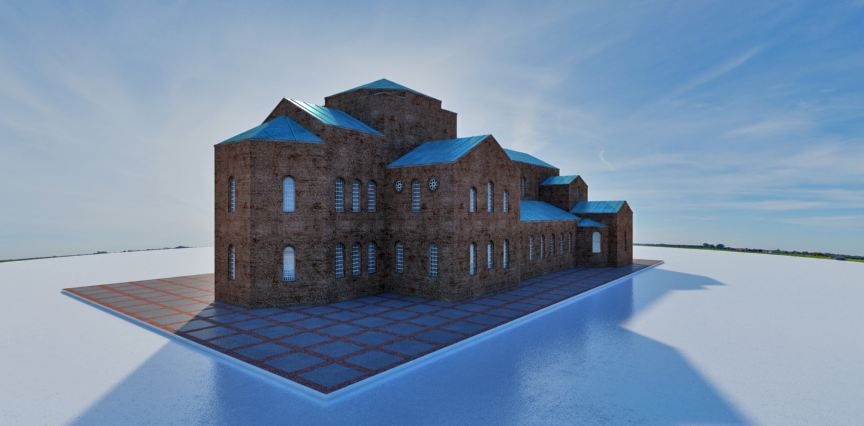
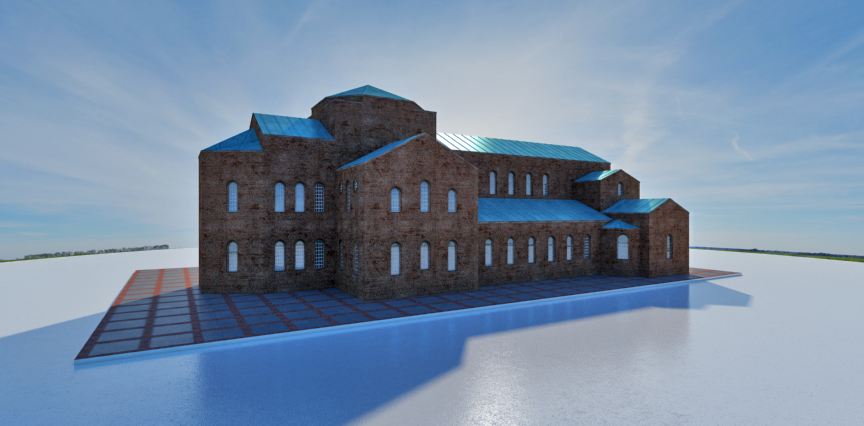
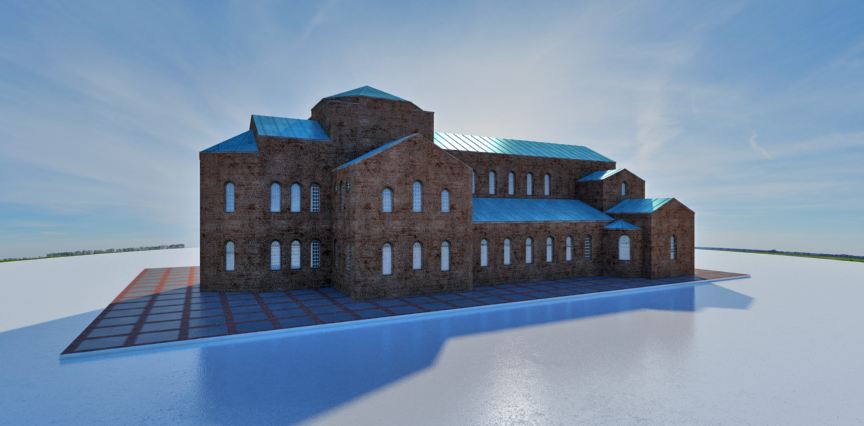
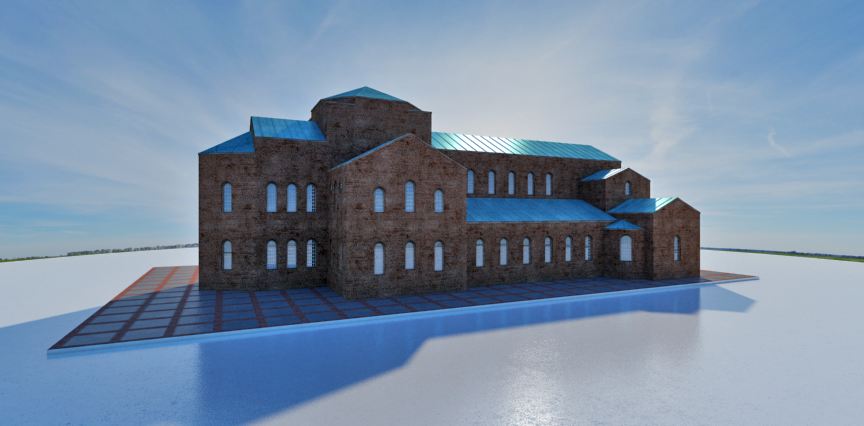
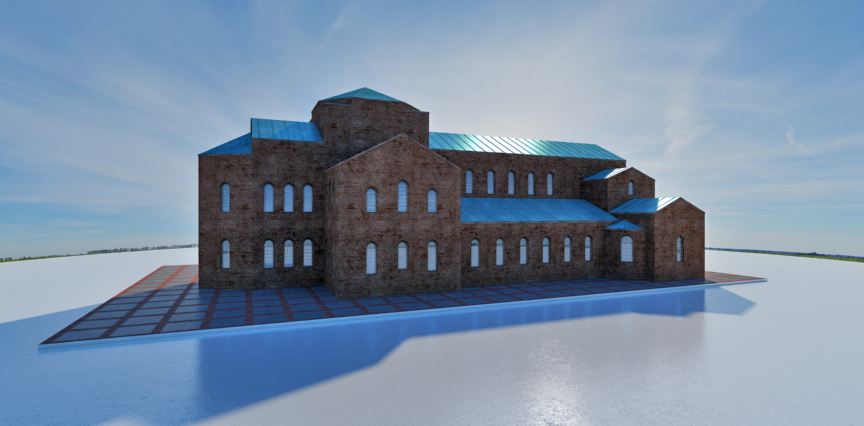
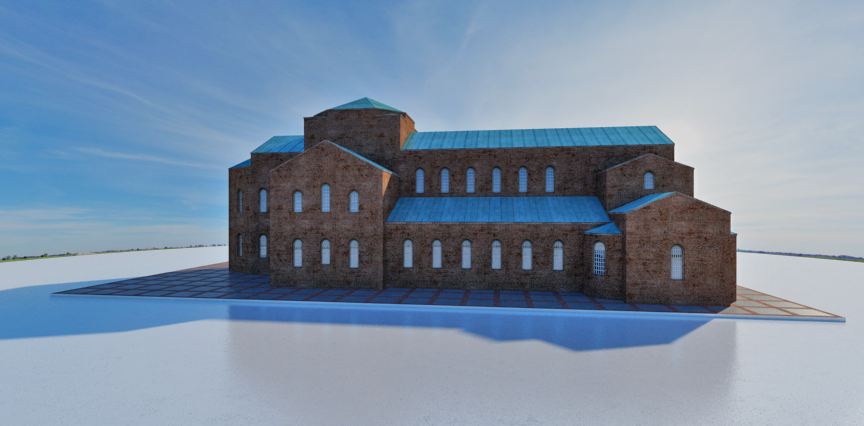
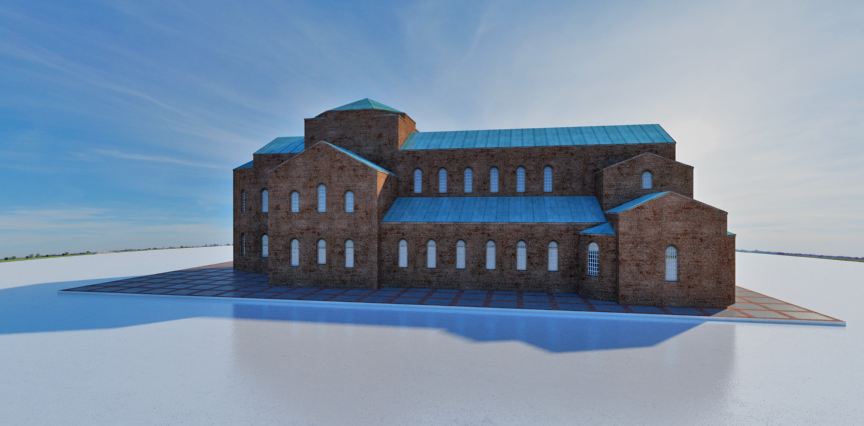
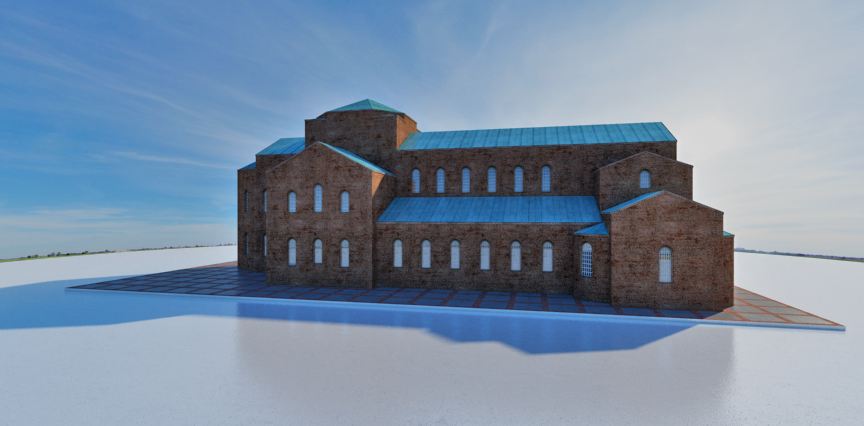
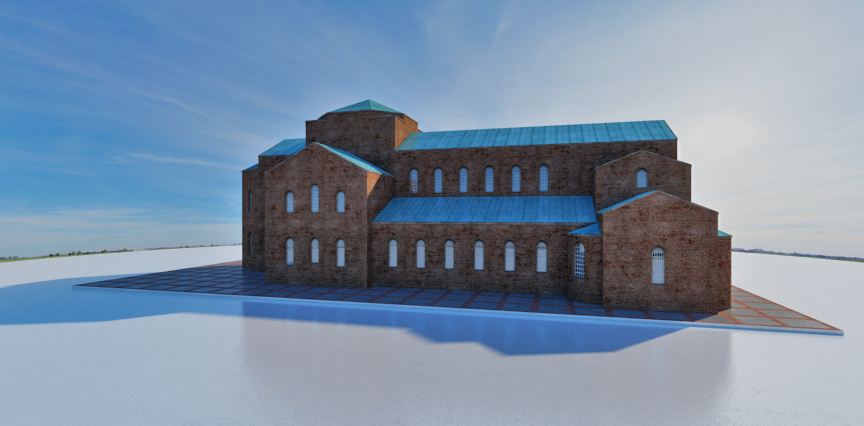
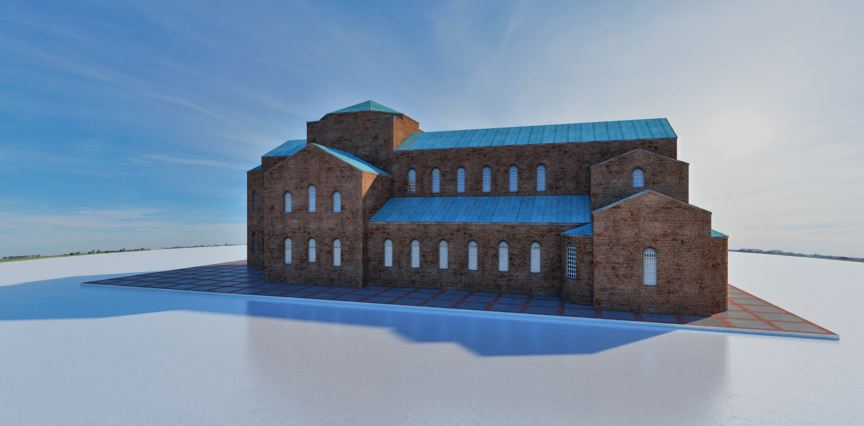
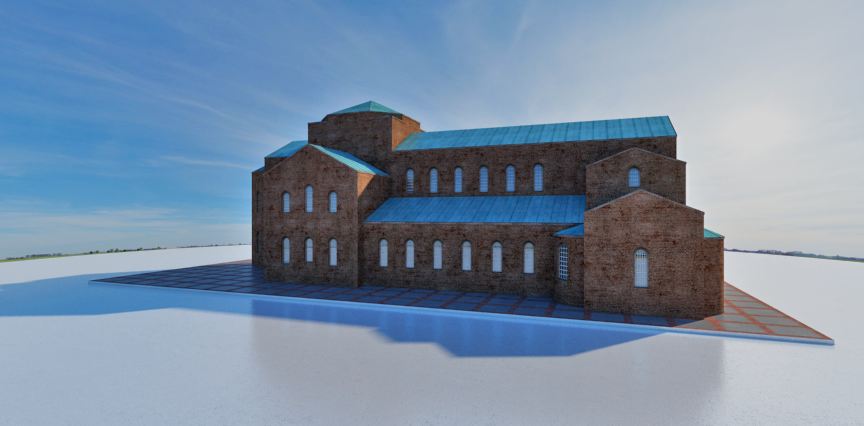
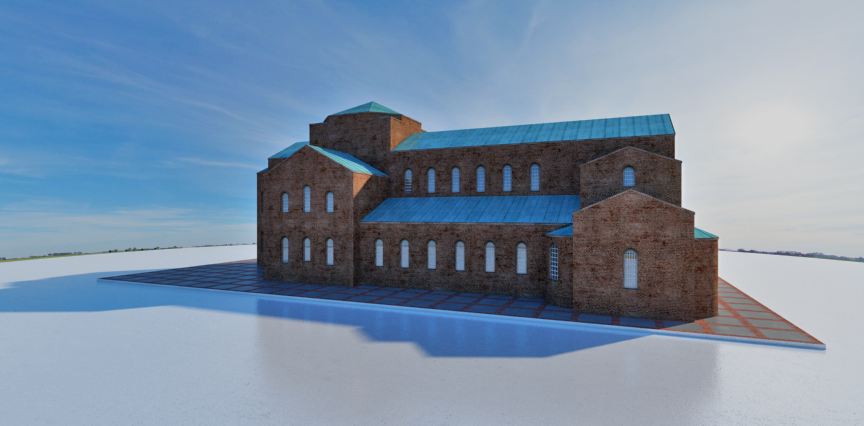
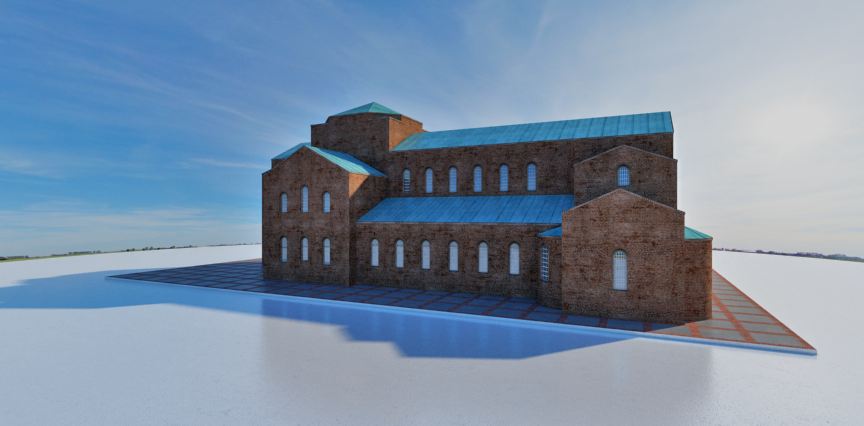
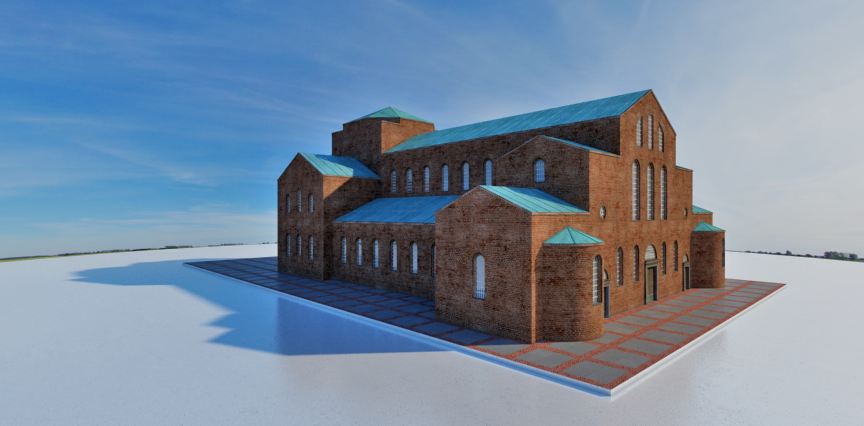
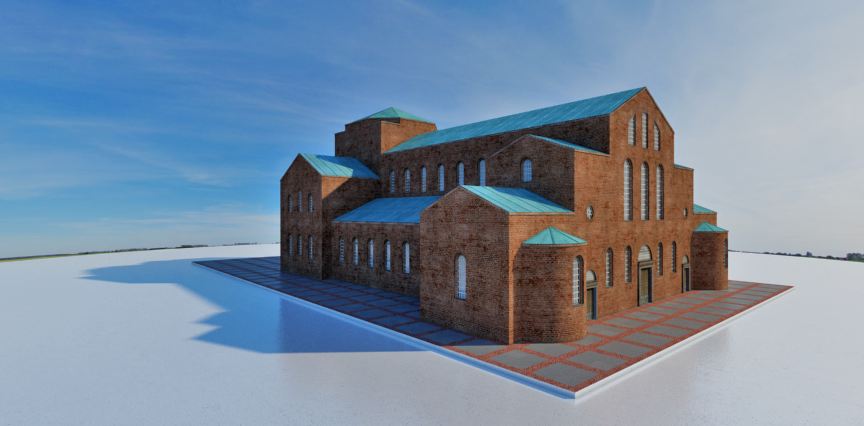
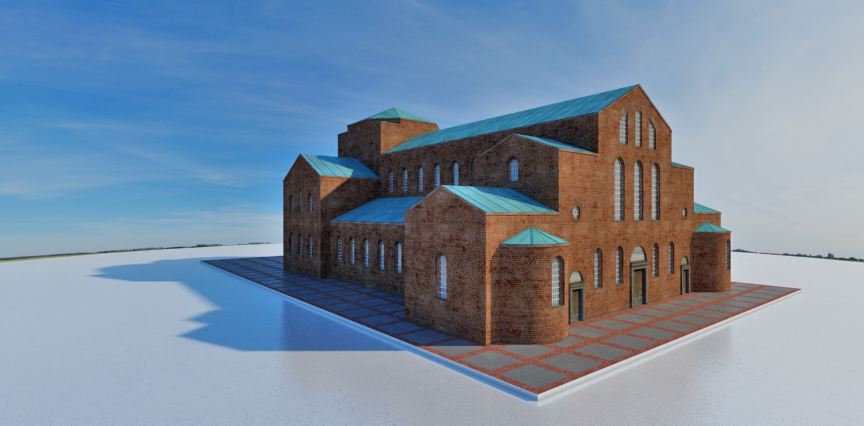
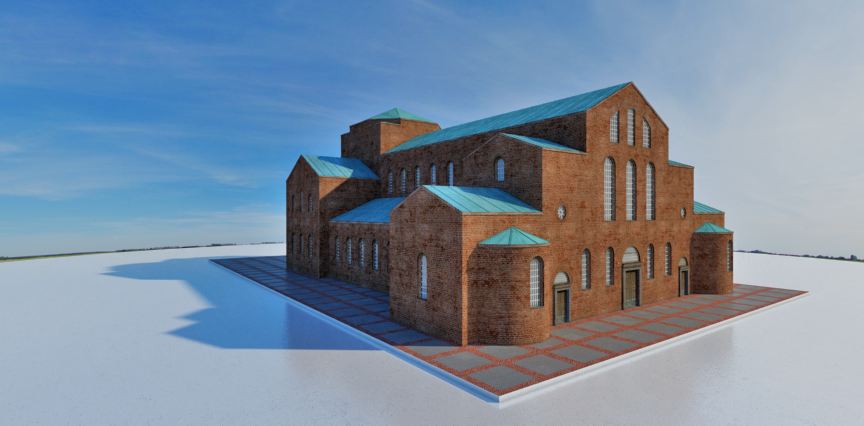
About 250 years after the first church construction, an extension was added to the west side. Later on, the buildings were built into a basilica with a nave and two aisles, and then a fourth church, also a basilica, was built. Each subsequent church was bigger than the previous one. This is how the basilica, aswe know it nowadays, was built. The Basilica of St. Sofia was built in the 6th century AD over the remains of several older churches from the time of the Roman Empire.
Its scale is impressive for that time. The church is among the most important architectural values retained from the early Christianity period in Southeast Europe.
You can find out more about the building at: www.sofiahistorymuseum.bg/обща-базилика
"The Emblematic buildings of Bulgaria" initiative aims to promote the Bulgarian cultural and historical heritage. The presented 3D visuals are illustrative and make no pretence of having thorough scientific and architectural accuracy.