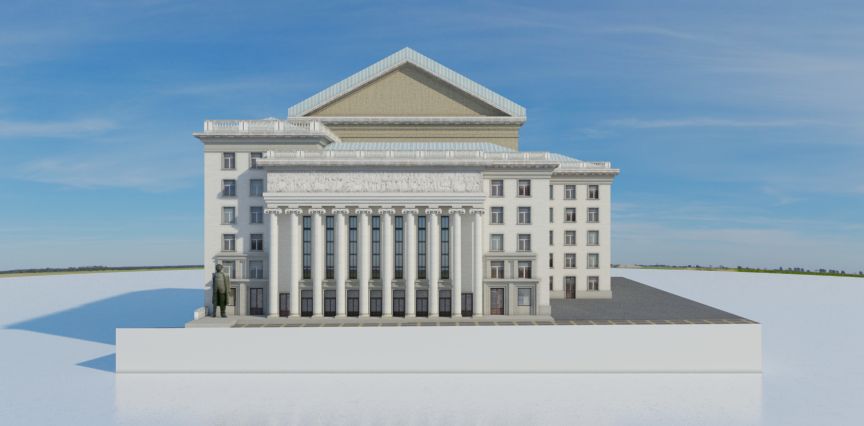
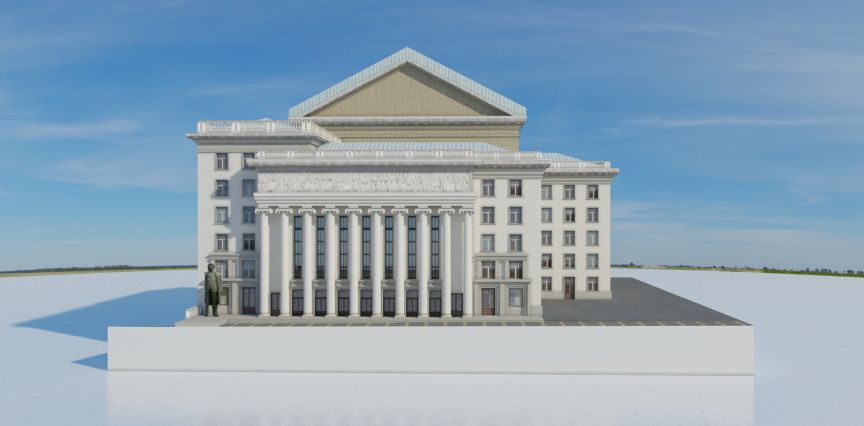
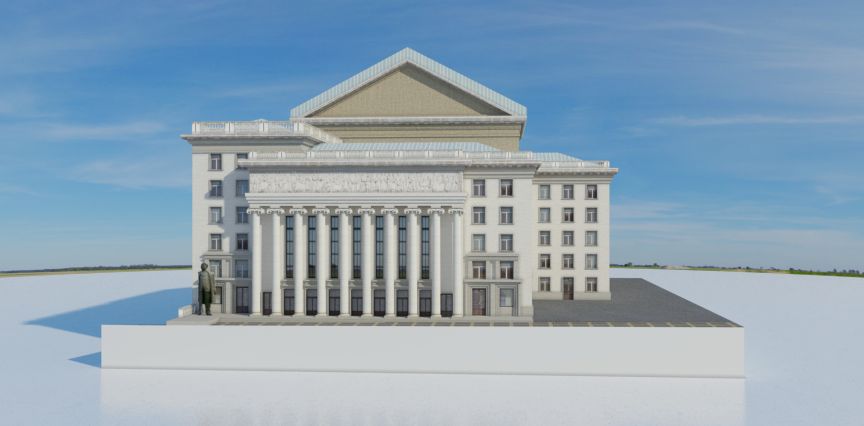
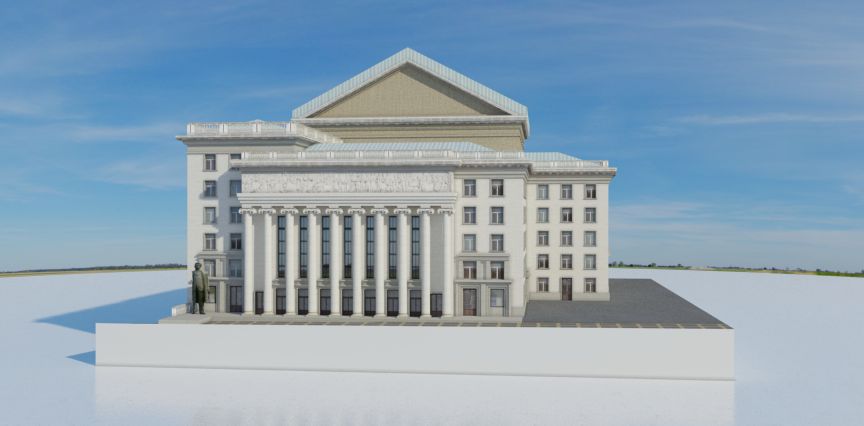
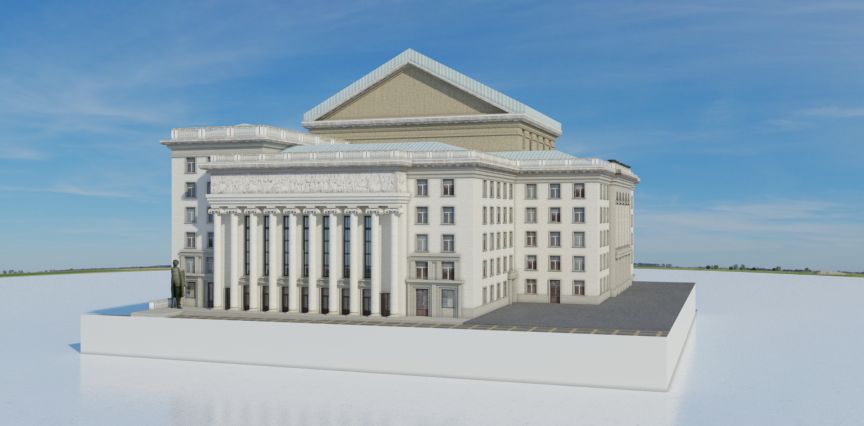
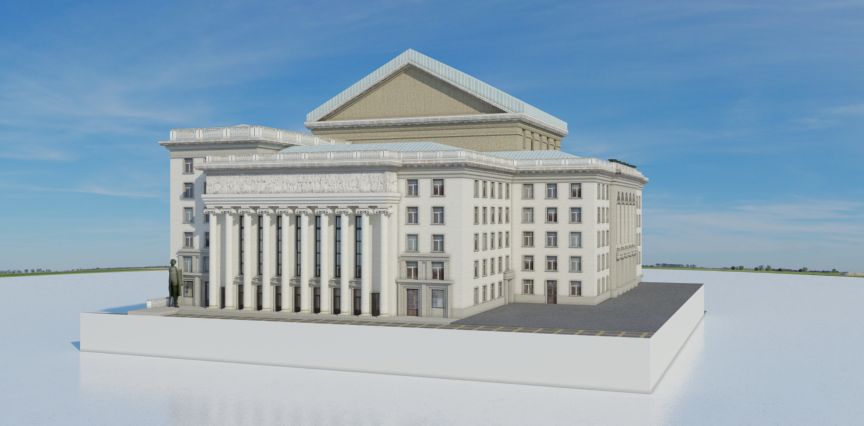
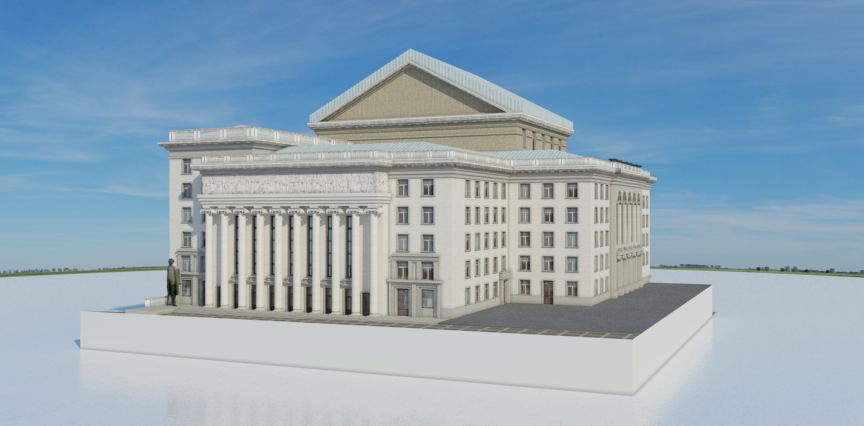
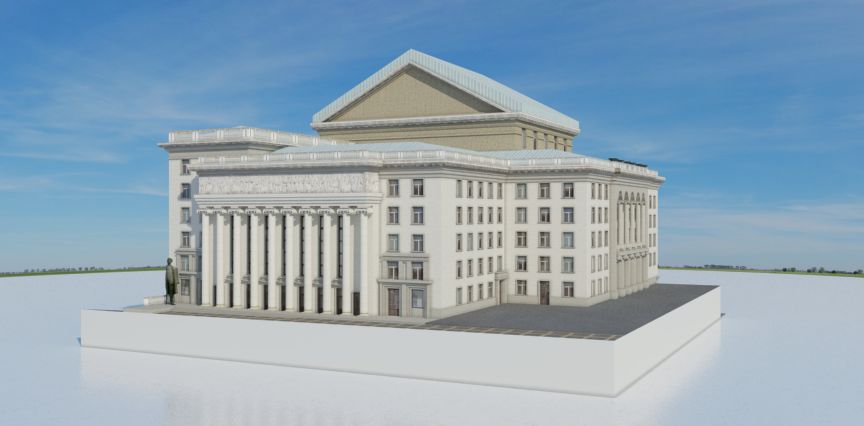
Sofia Opera and Ballet, Sofia
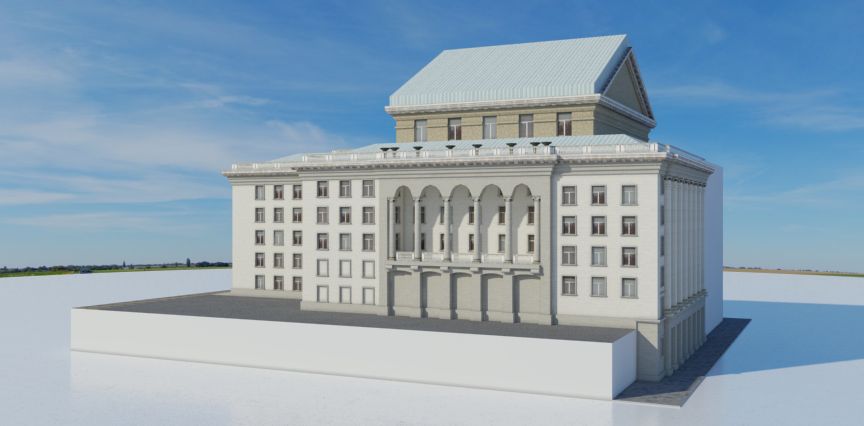
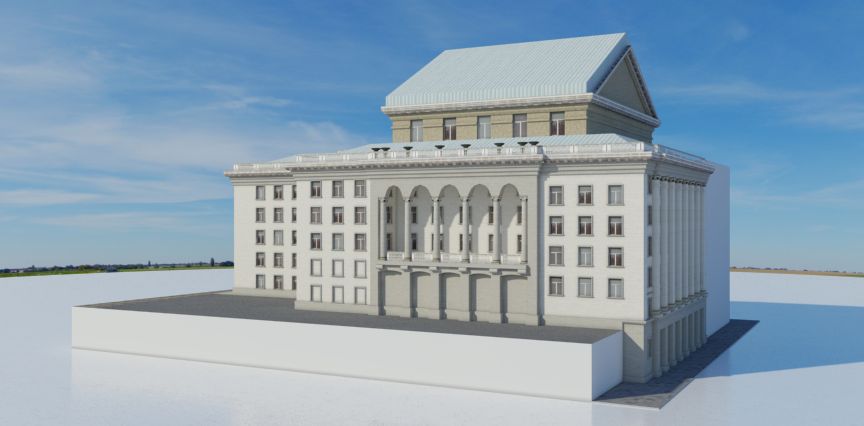
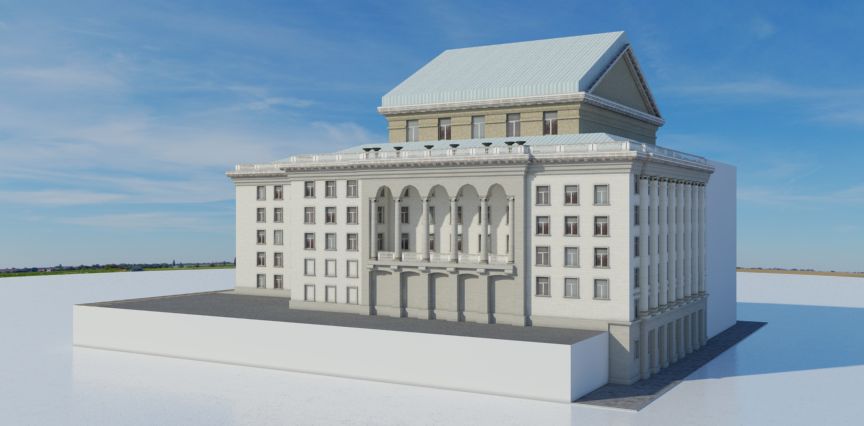
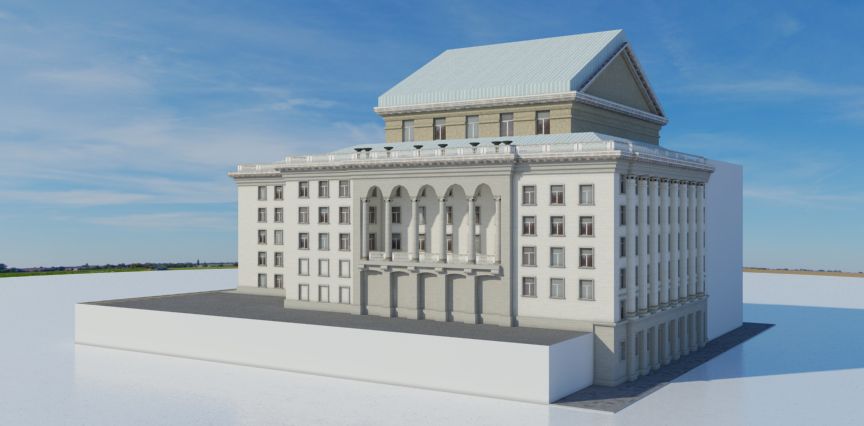
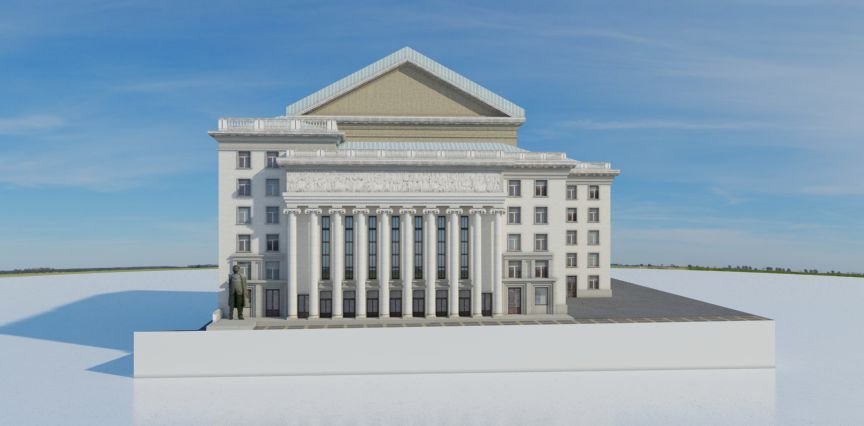
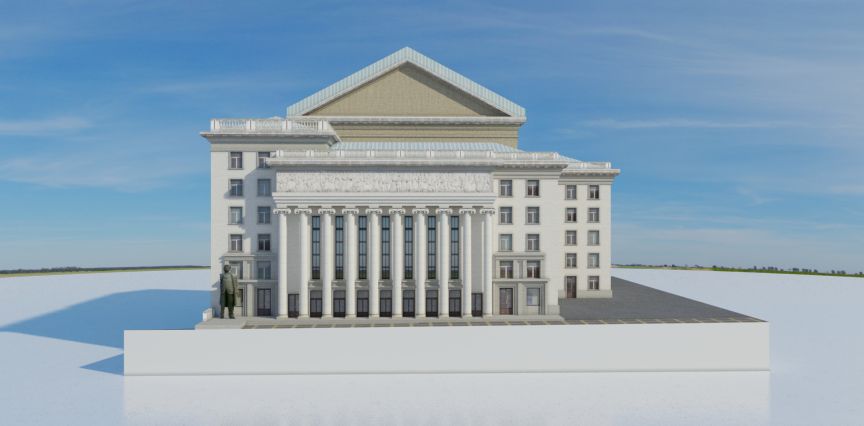
-
Mustafa Kemal Ataturk, leader of the secular reforms in Turkey, has been a guest at one of the first performances, which were held at the Opera.According to writings of Ataturk’ s secretary, the Turkish statesman has been very impressed after the play and could not fall aspleep all night continuosly repeating: “A nation, that can stage an opera, such as the one we have seen in Sofia, can’t be defeated neither with guns nor an army”. Kemal Ataturk vowes that the first thing he’ ll do when he gets back to Istanbul, is to lay down the first stone of the Opera in Instanbul. So it happend.
-
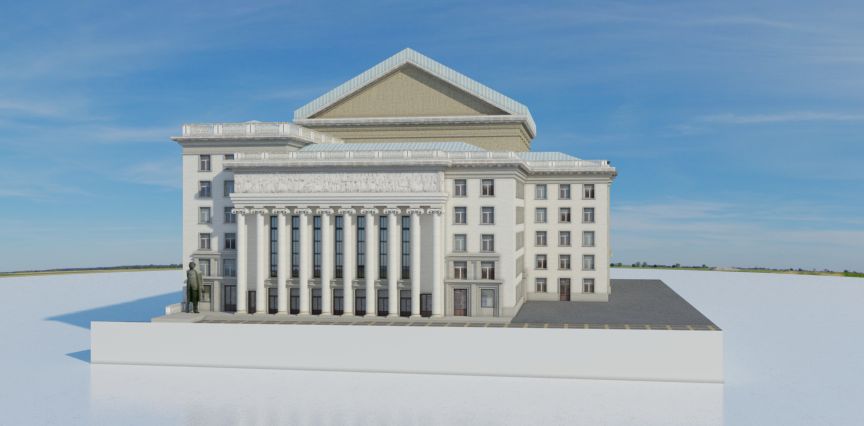
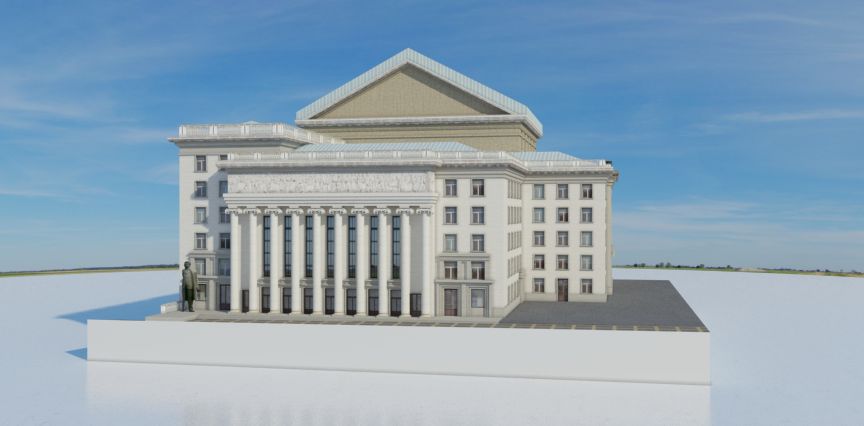
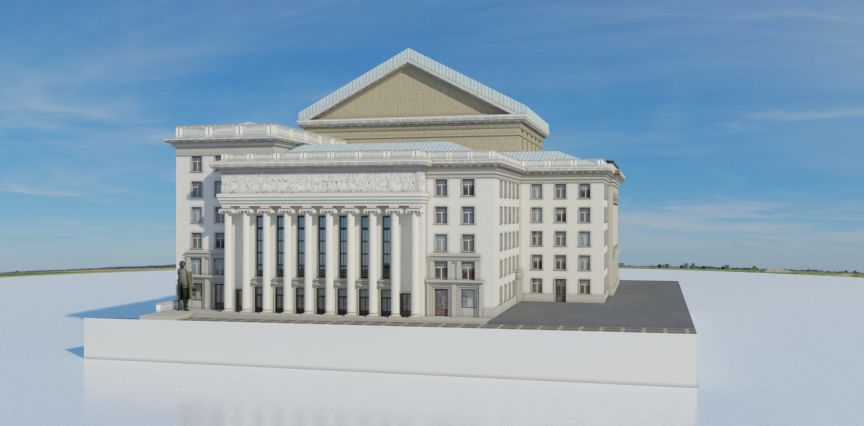
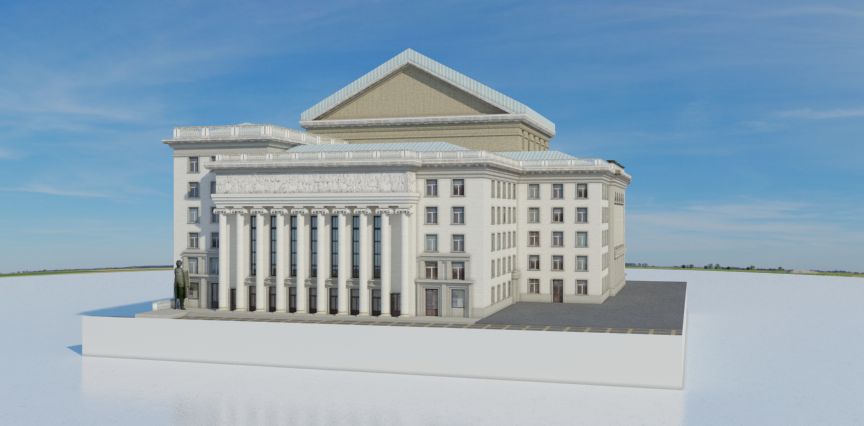
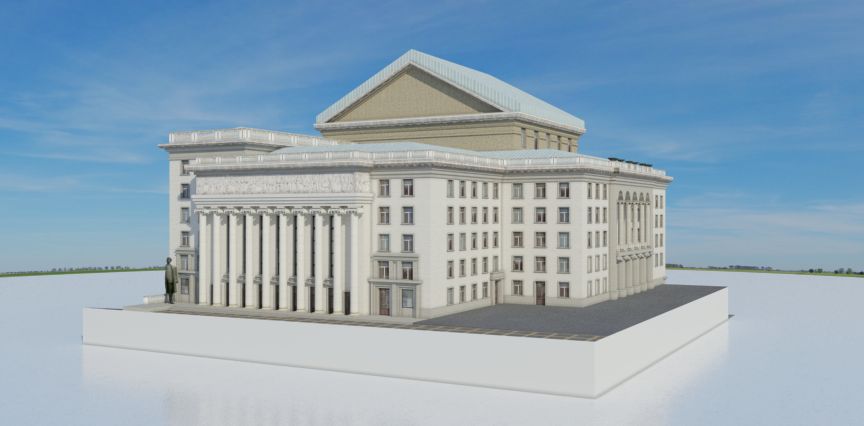
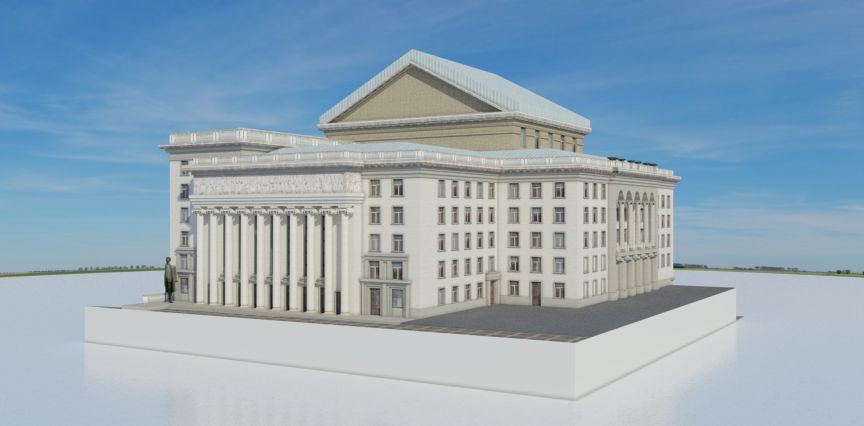
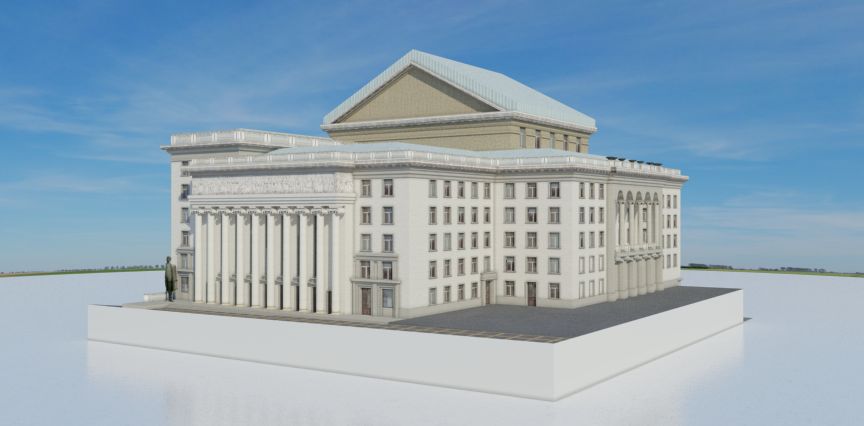
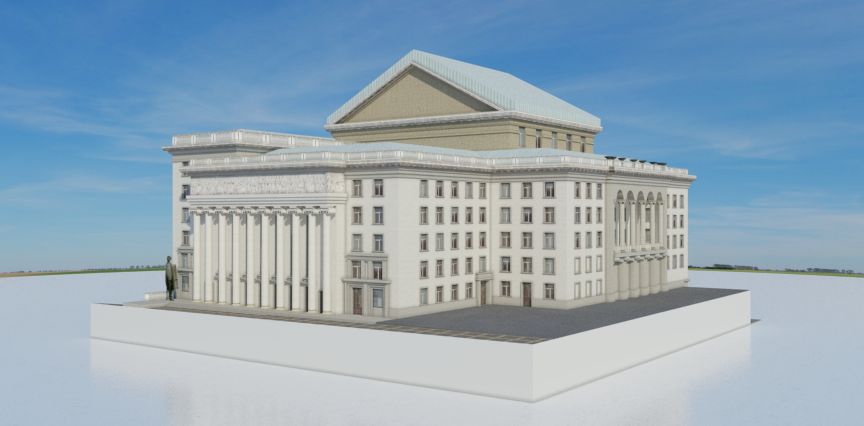
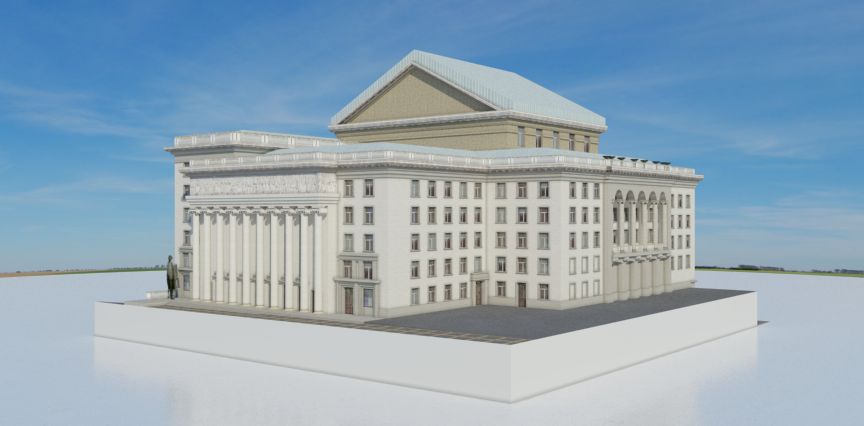
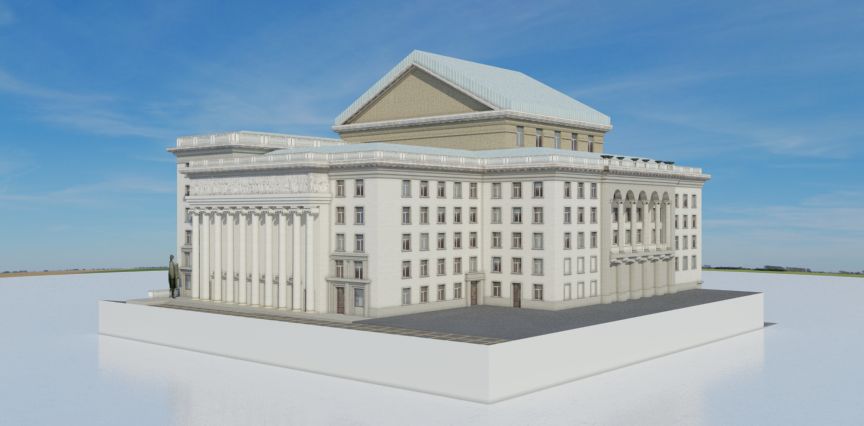
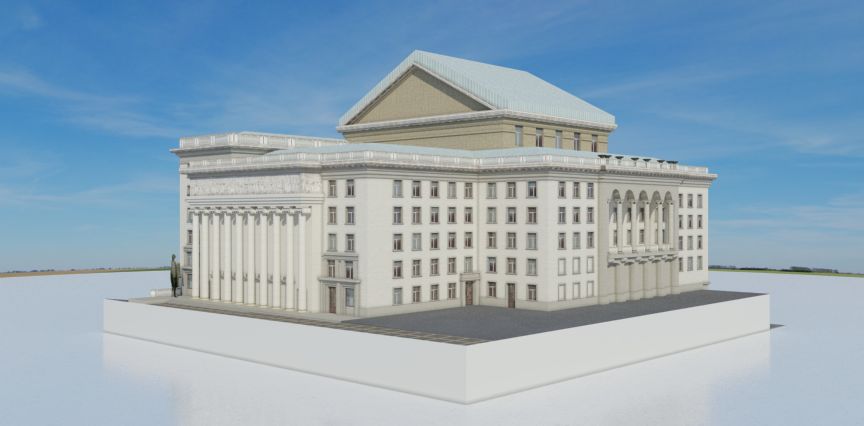
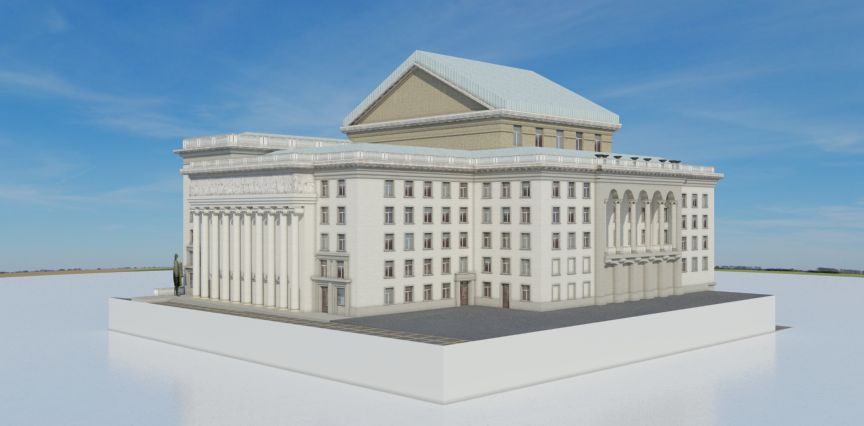
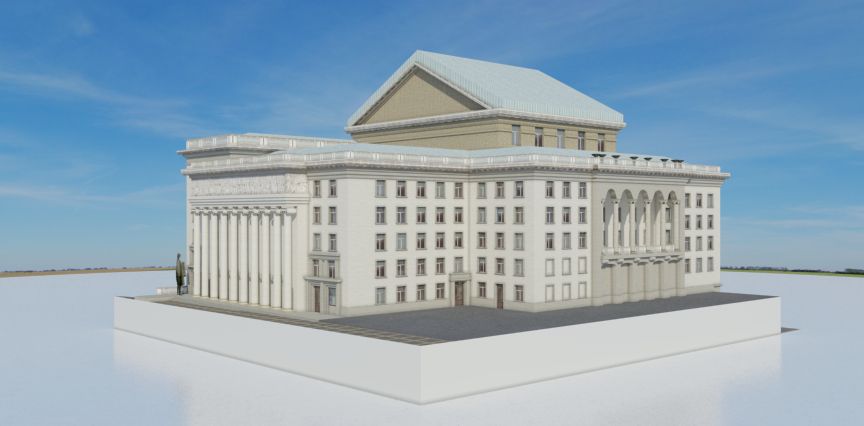
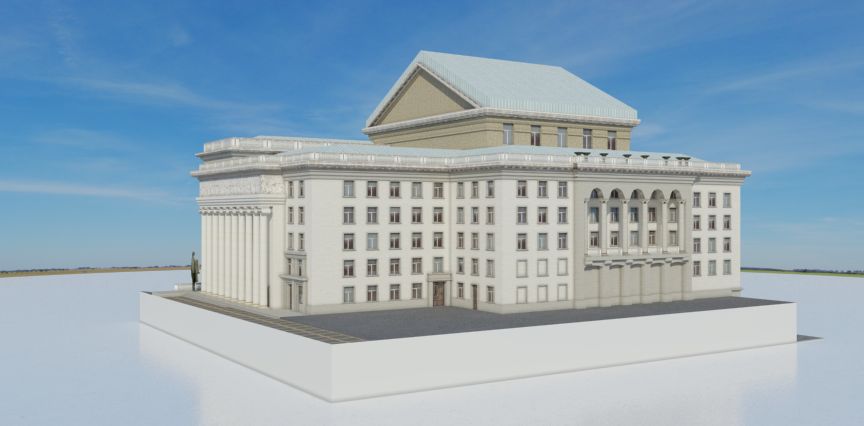
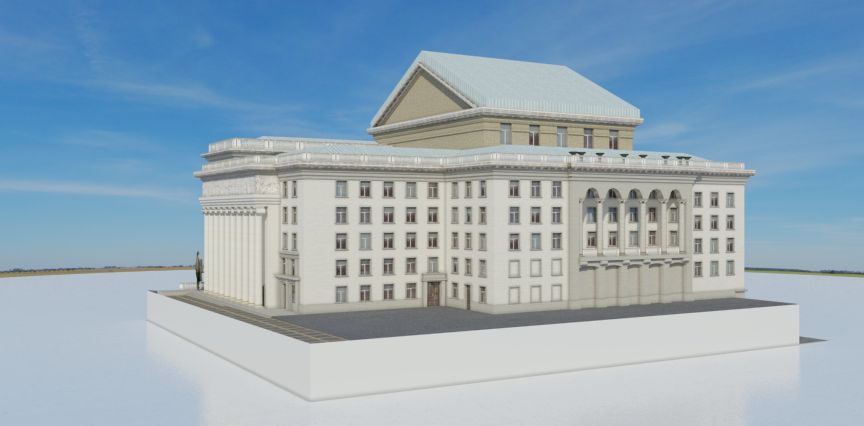
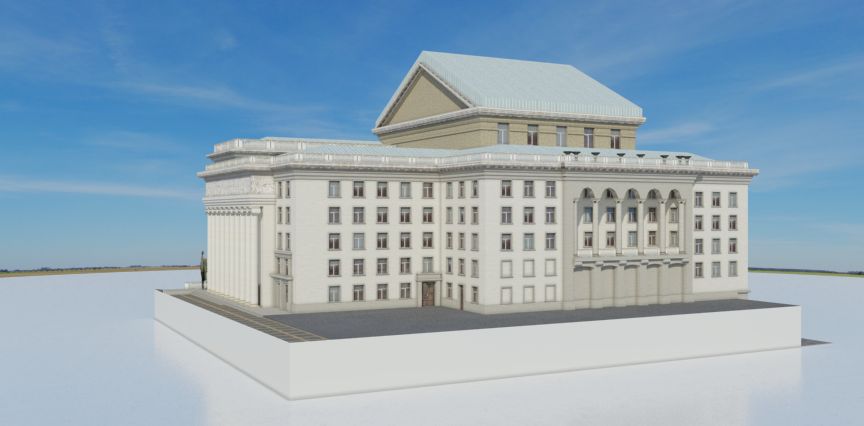
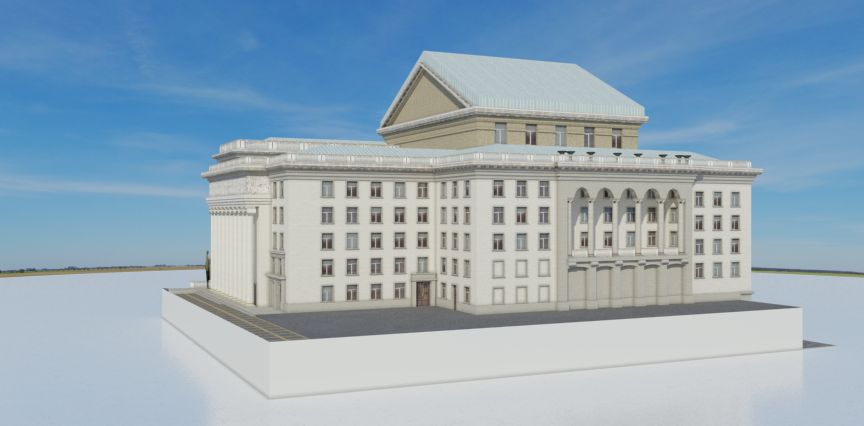
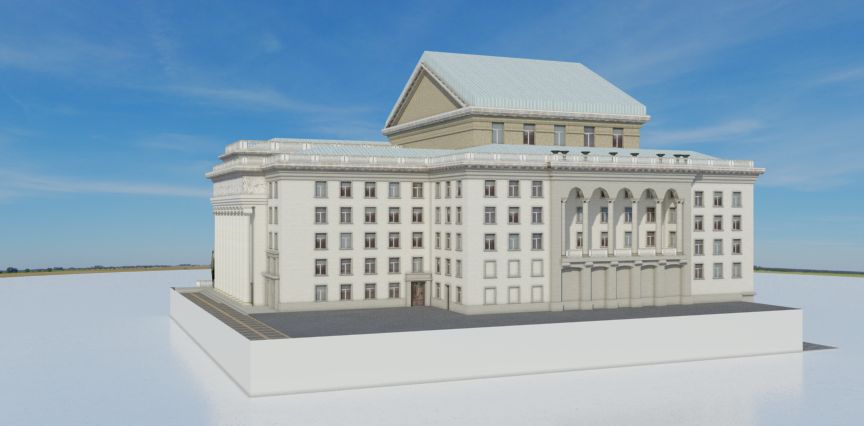
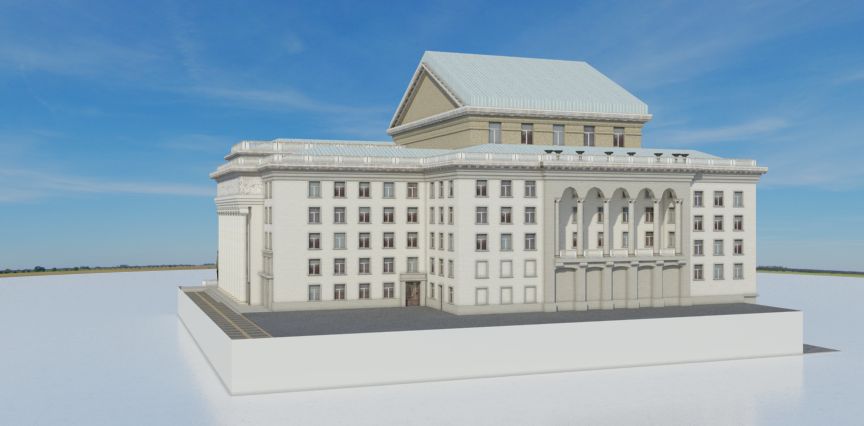
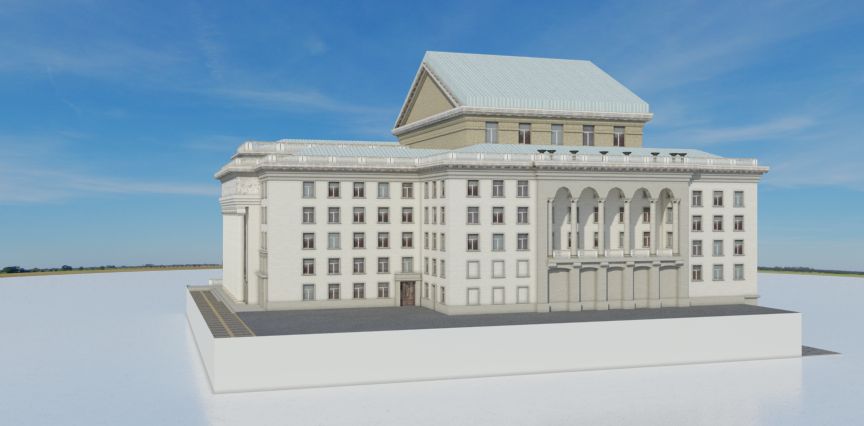
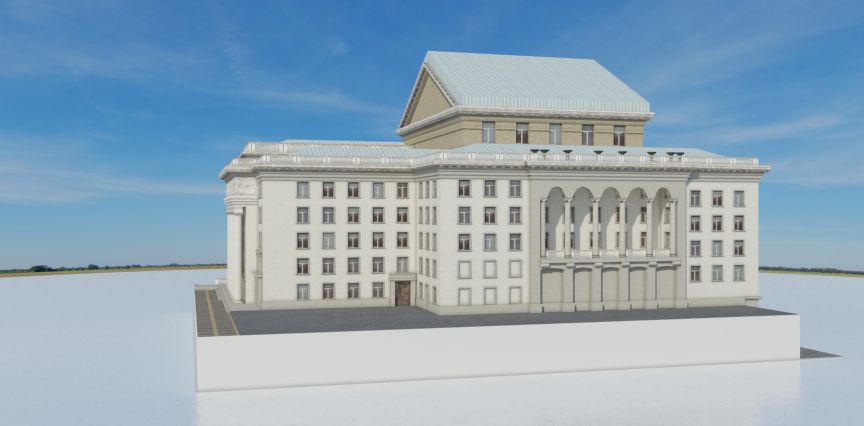
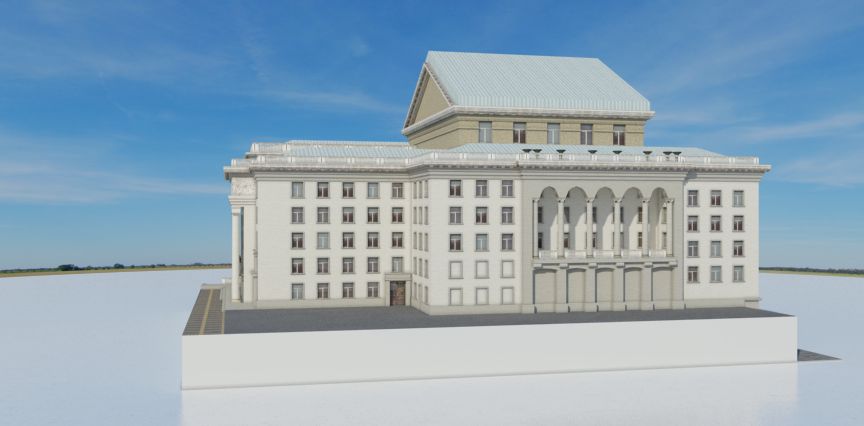
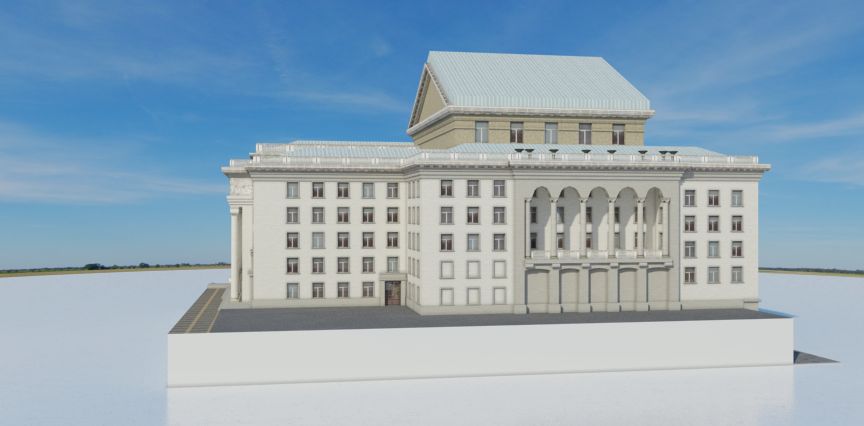
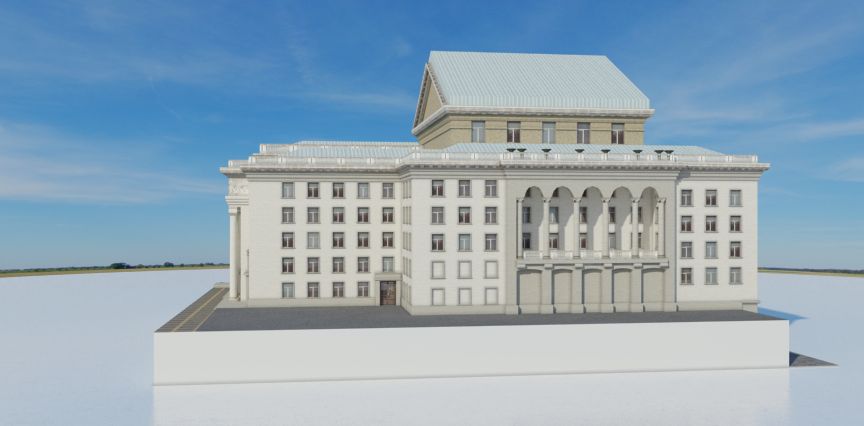
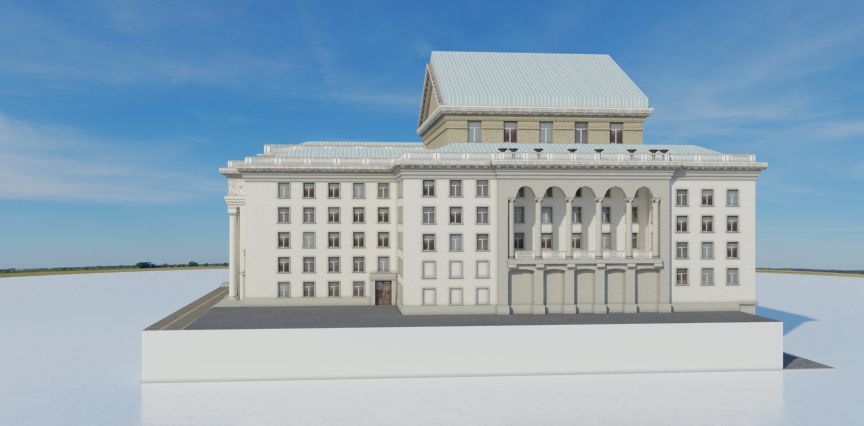
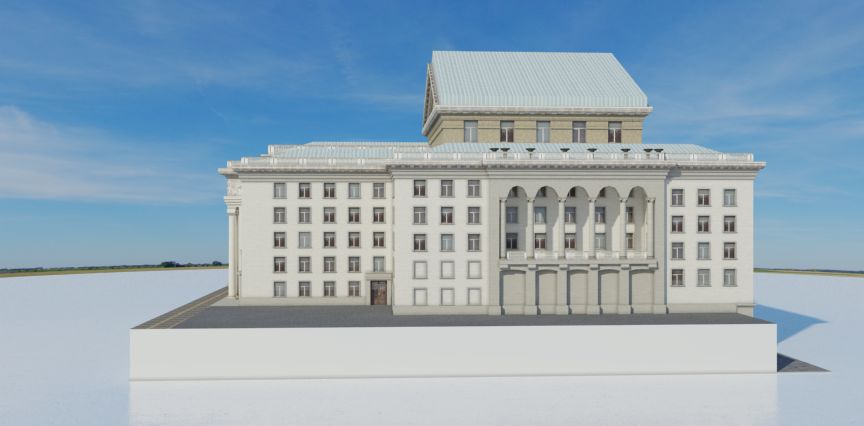
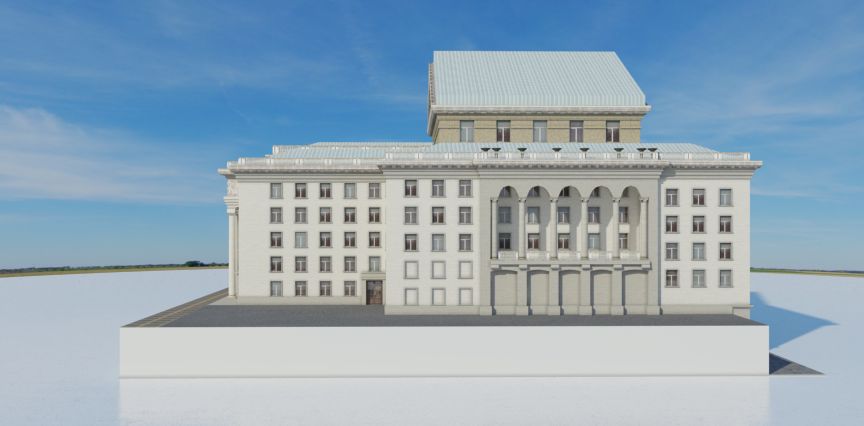
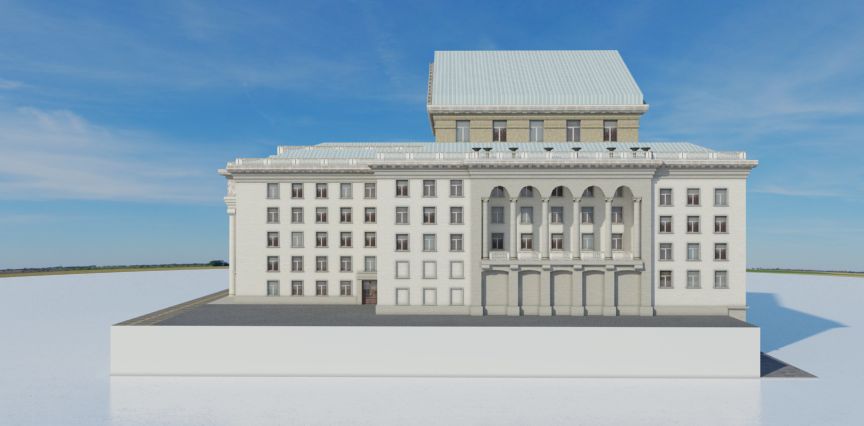
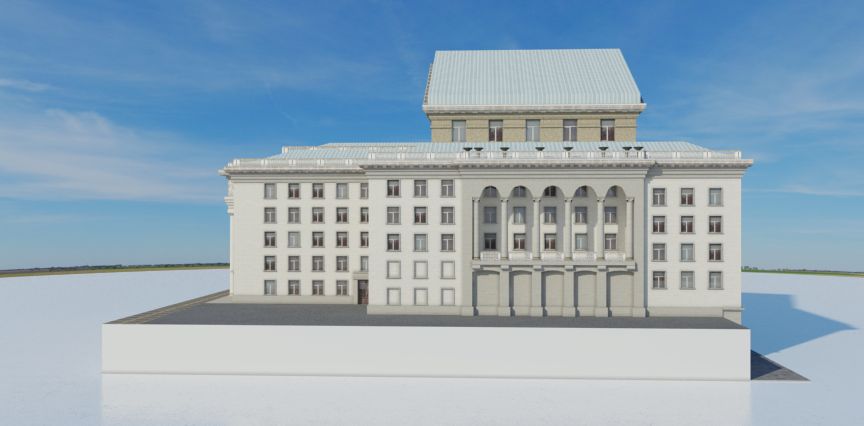
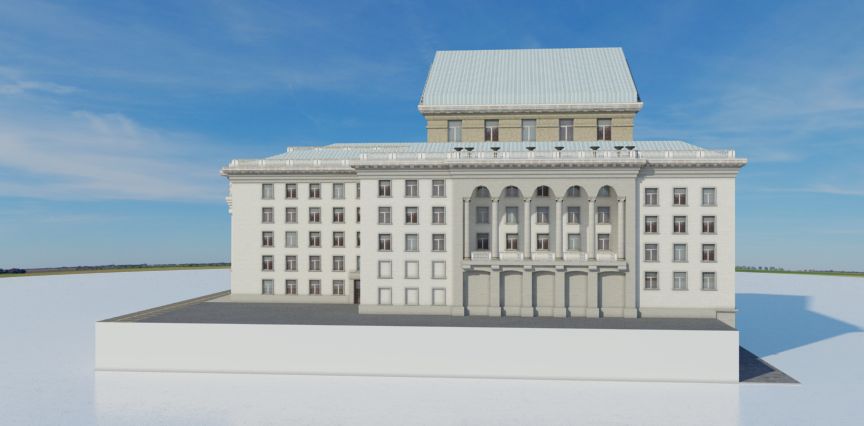
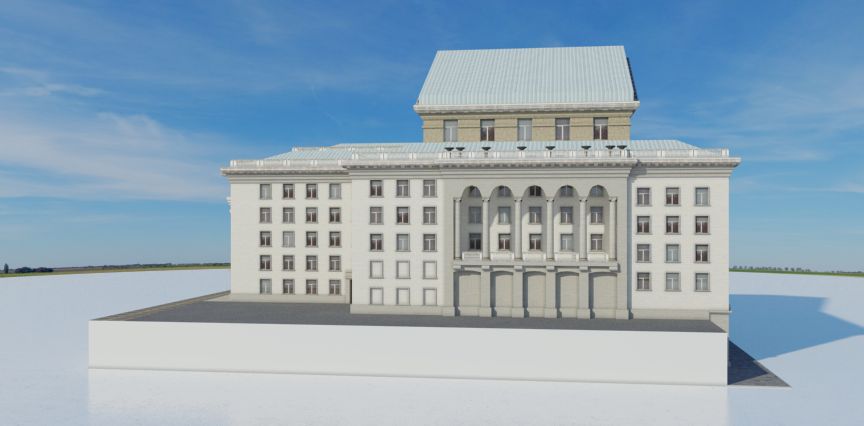
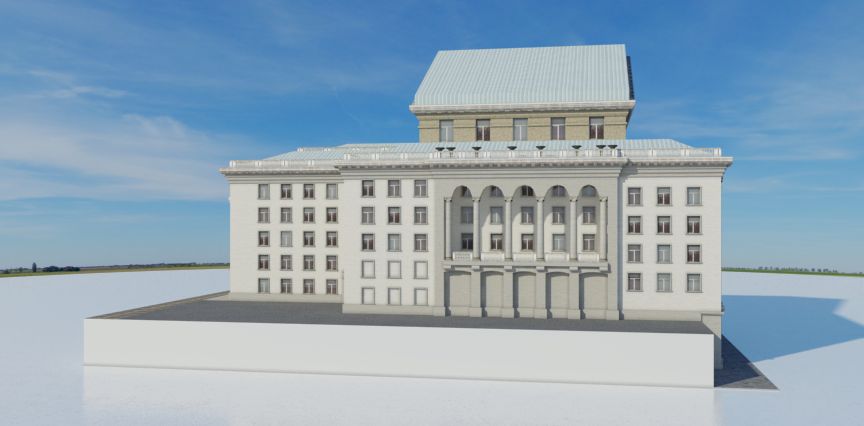
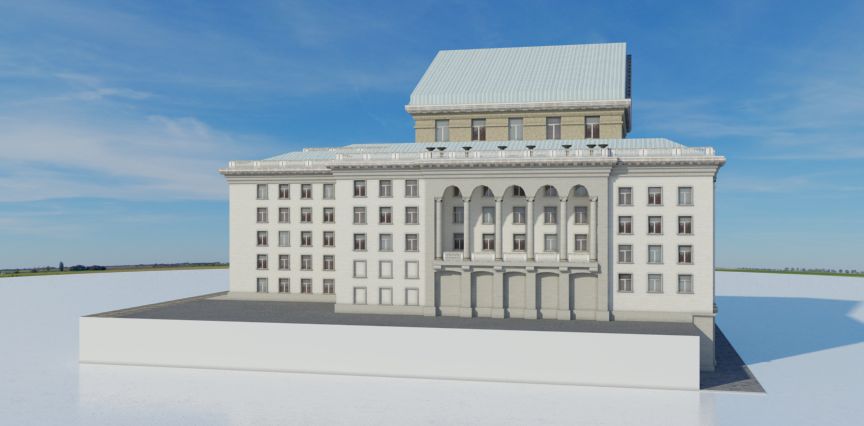
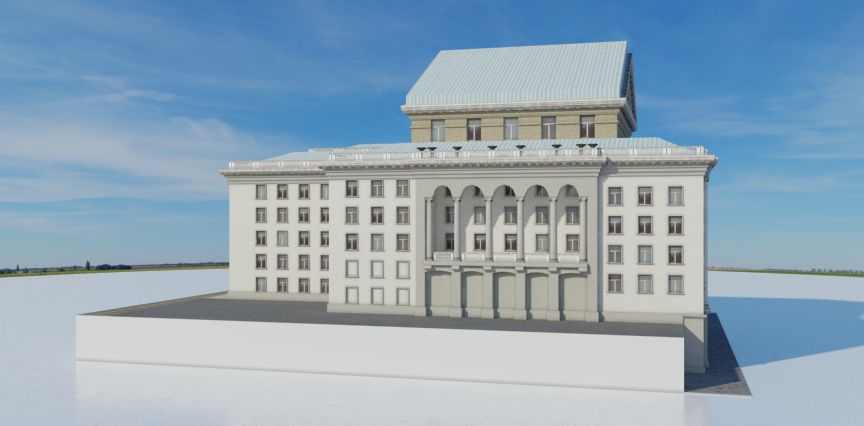
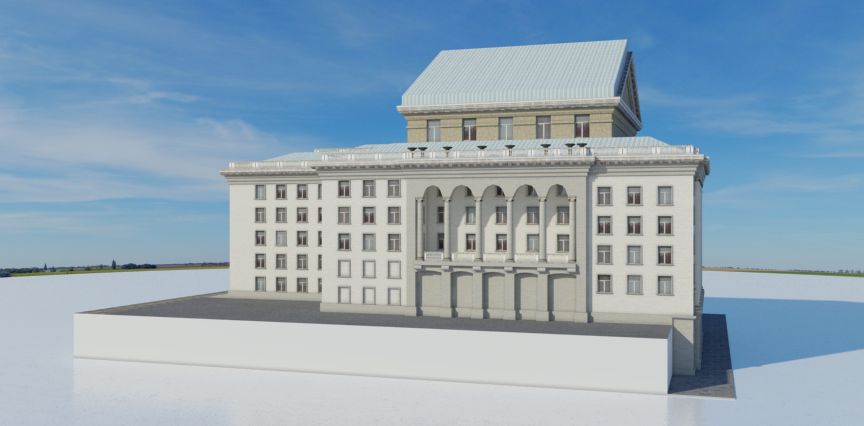
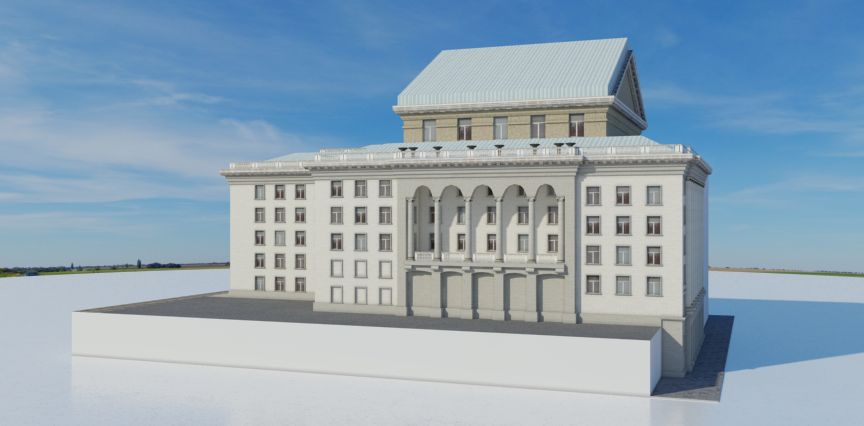
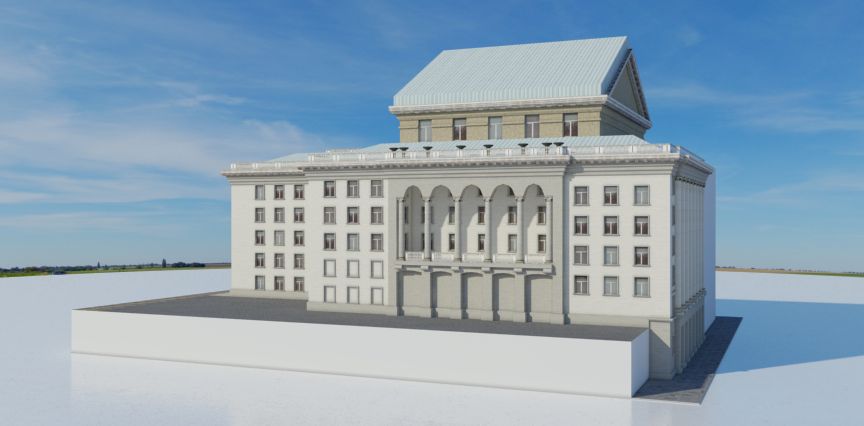
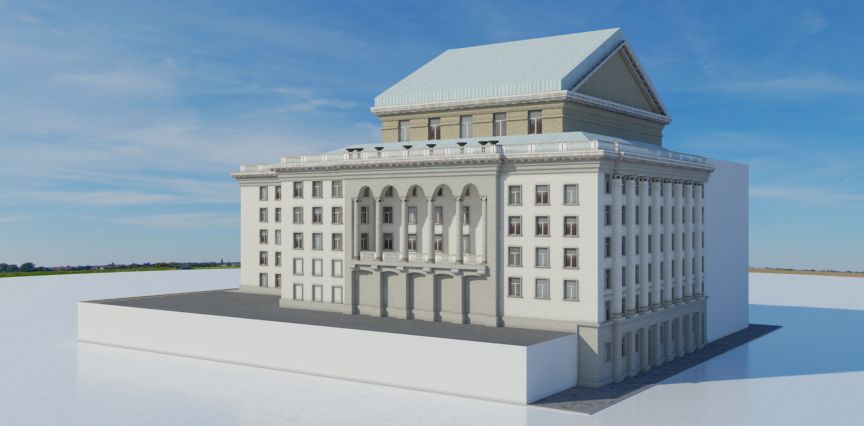
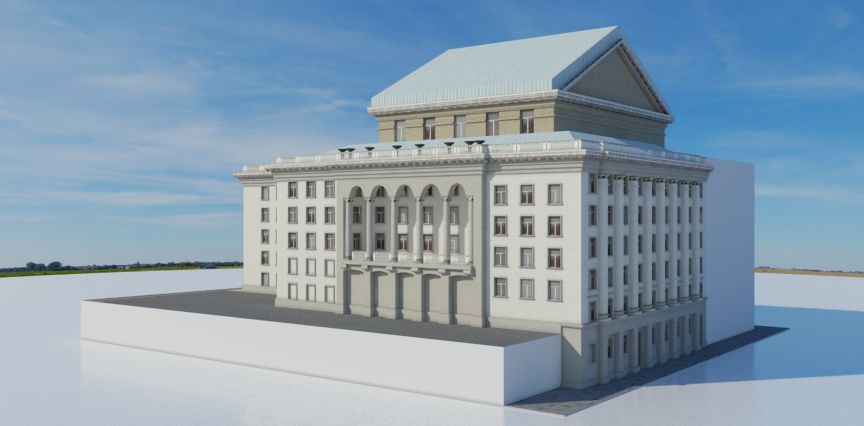
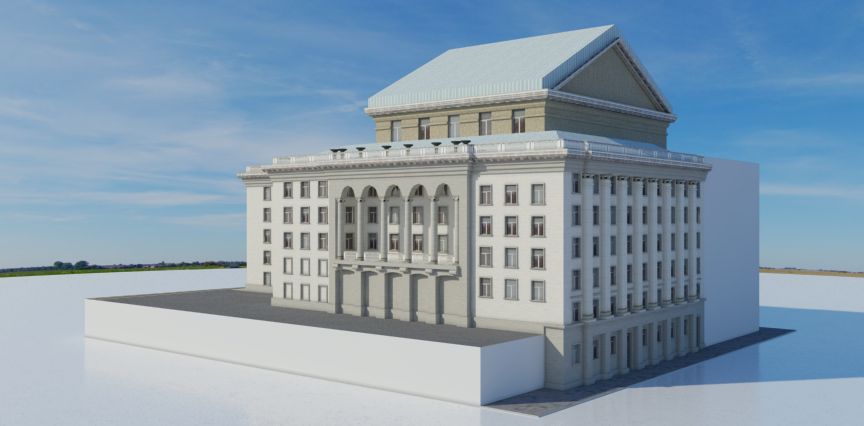
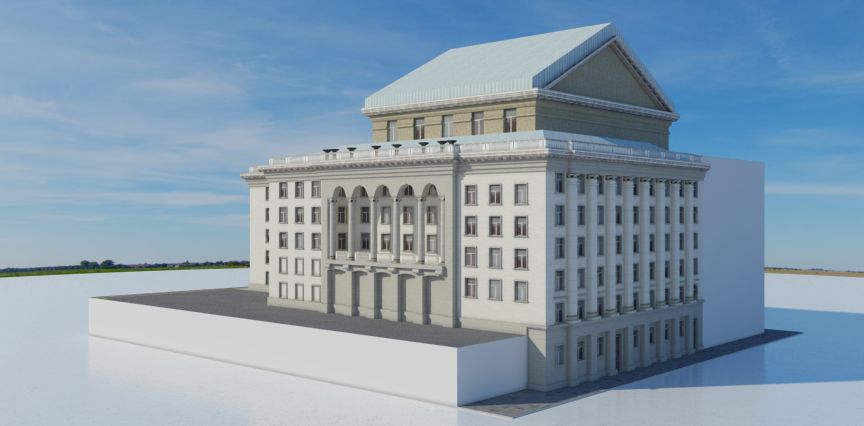
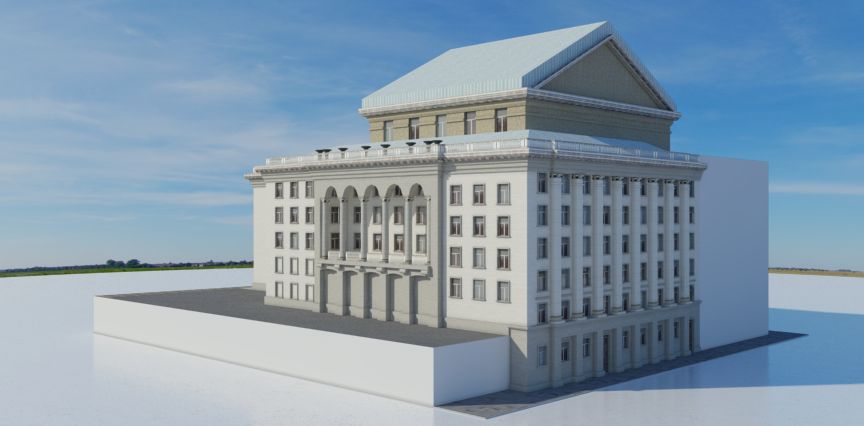
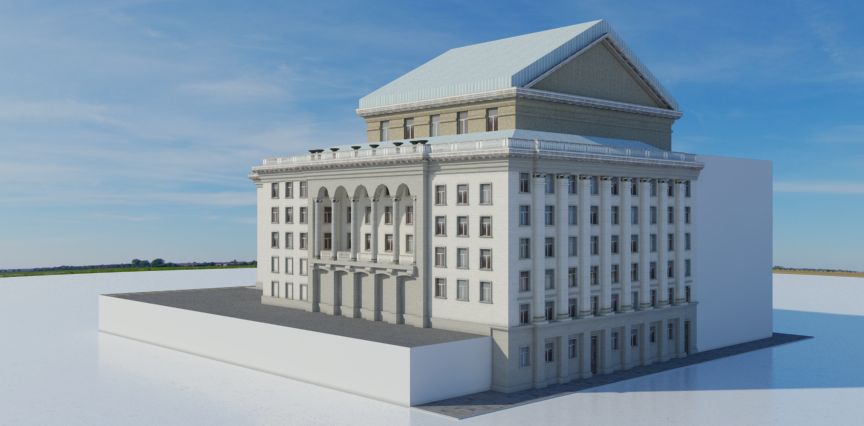
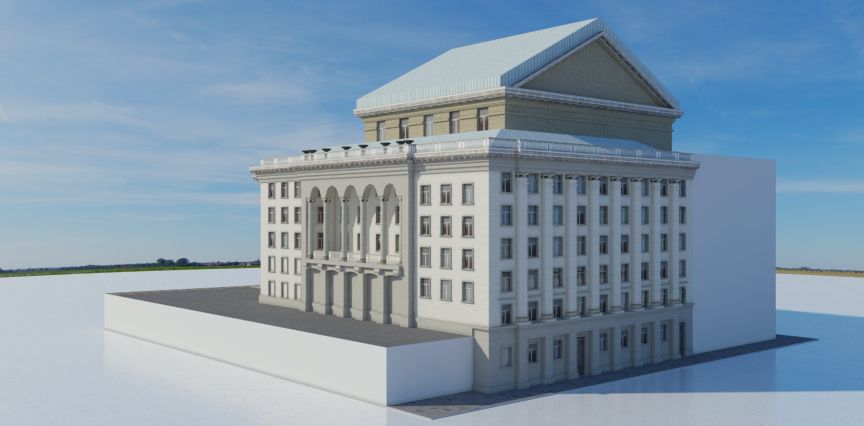
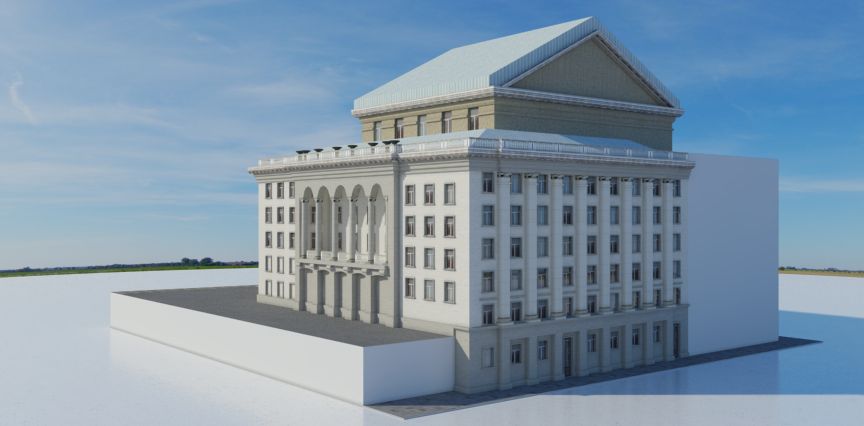
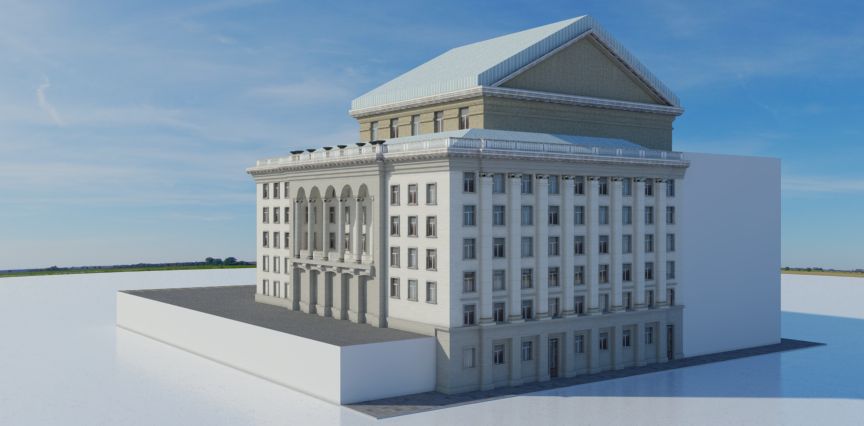
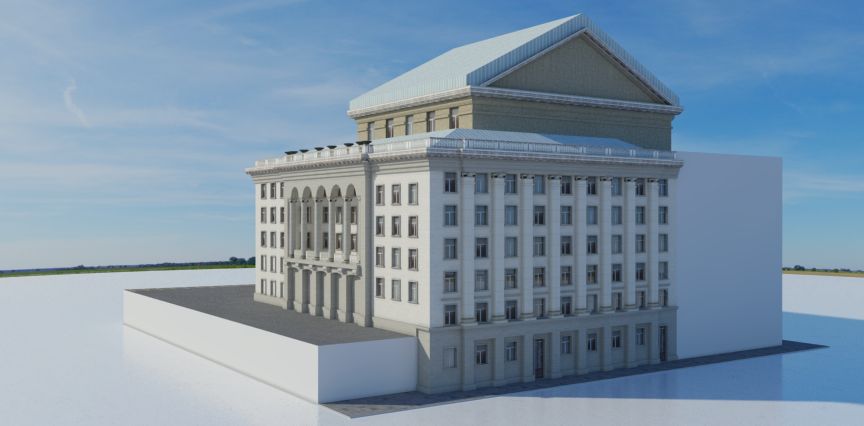
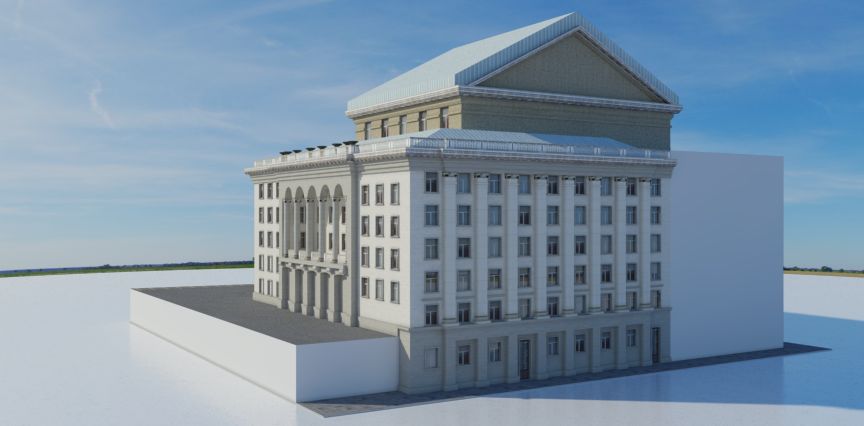
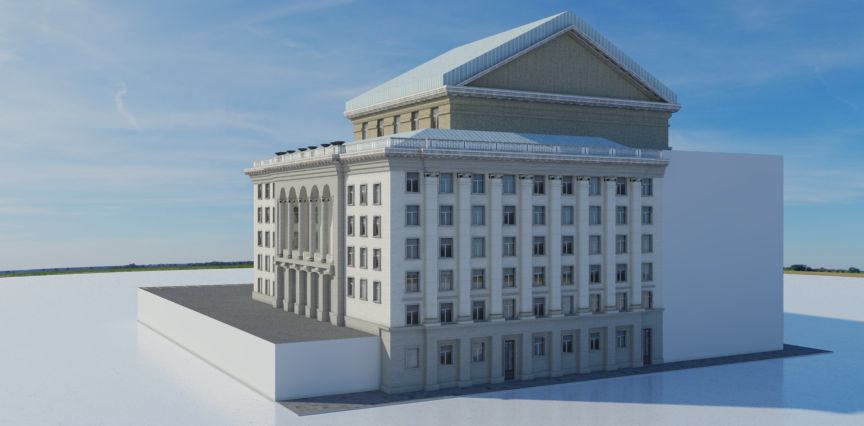
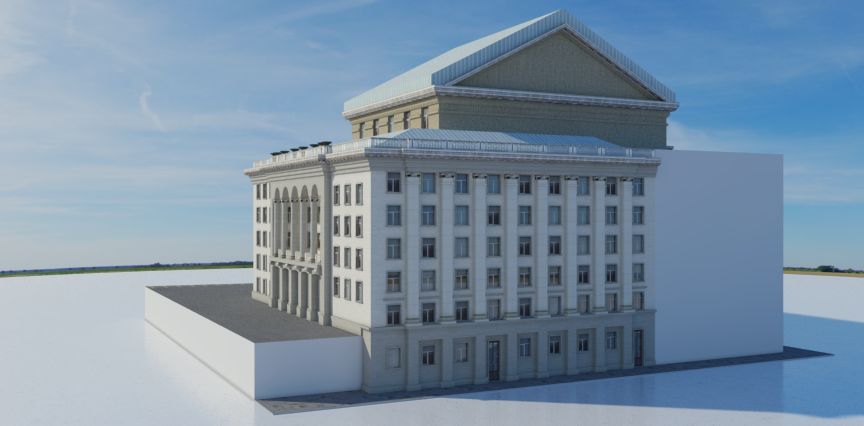
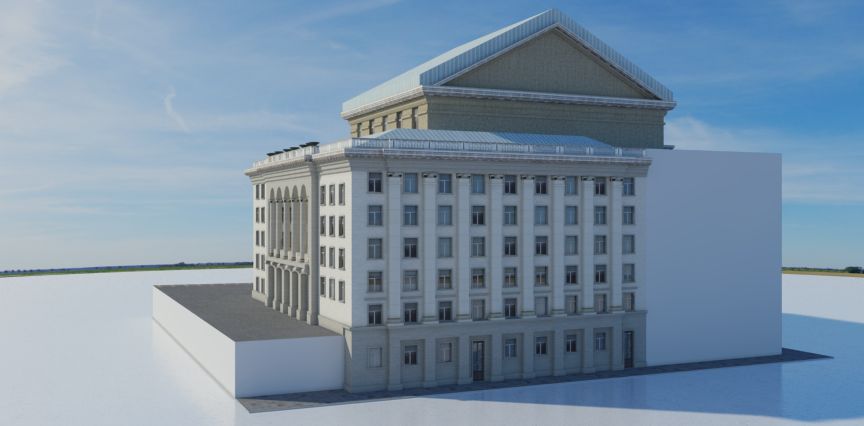
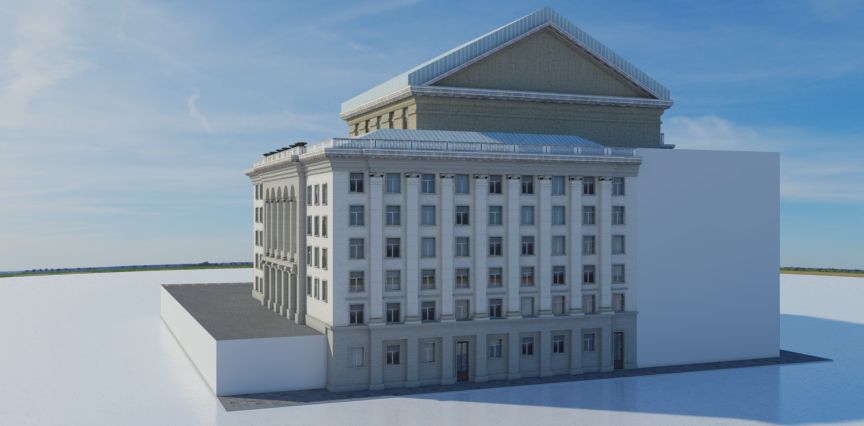
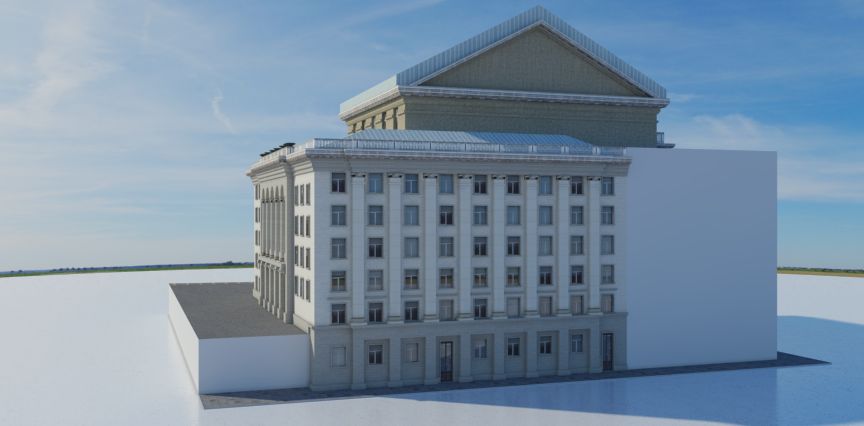
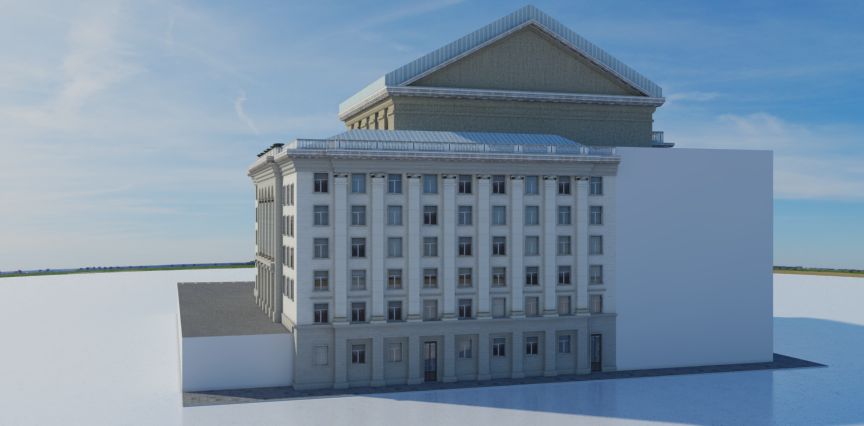
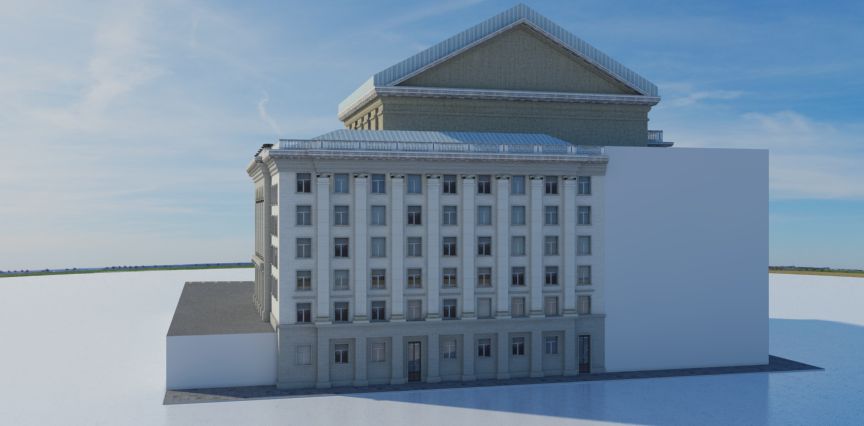
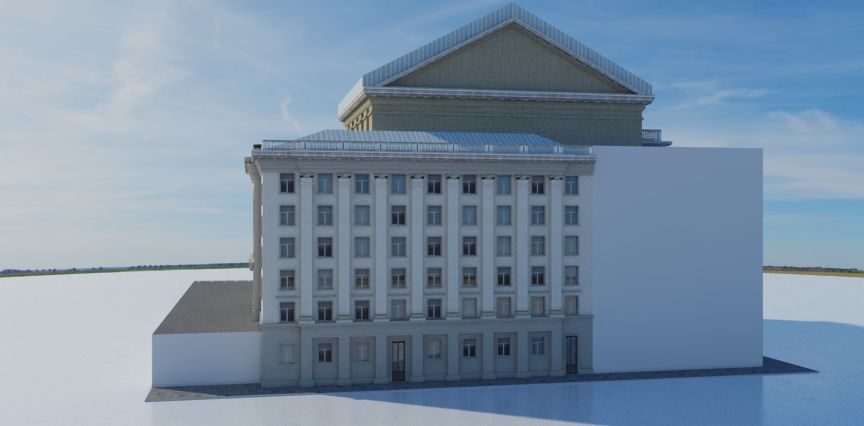
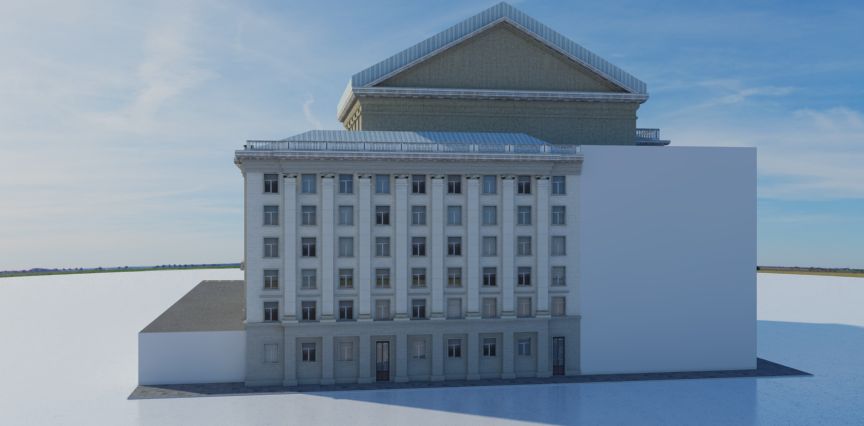
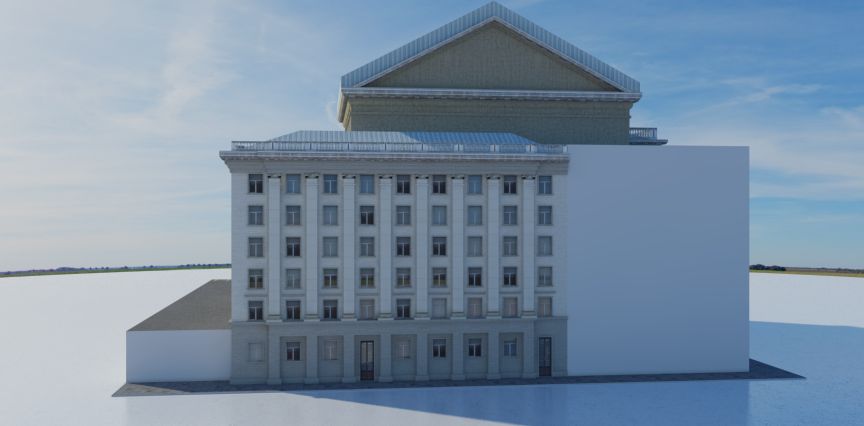
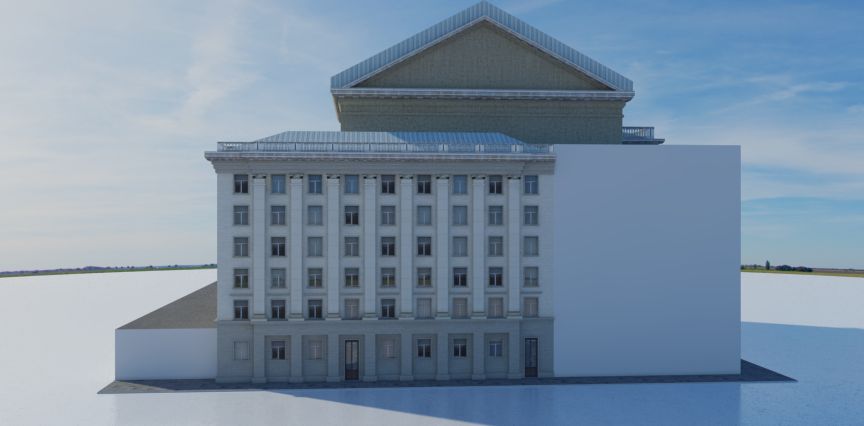
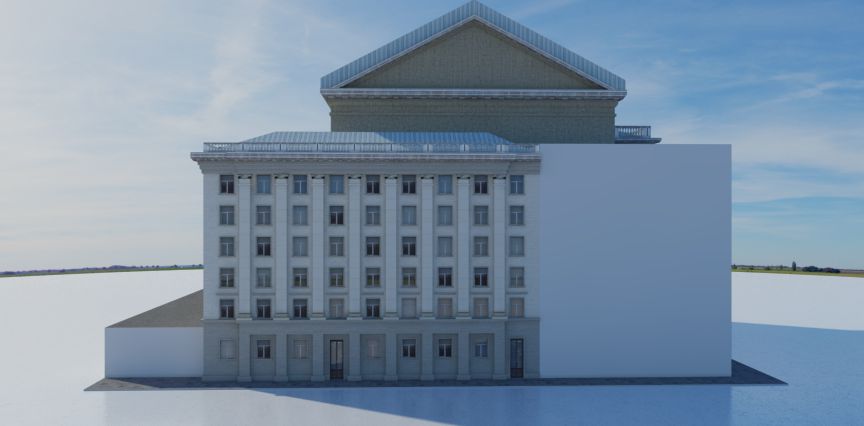
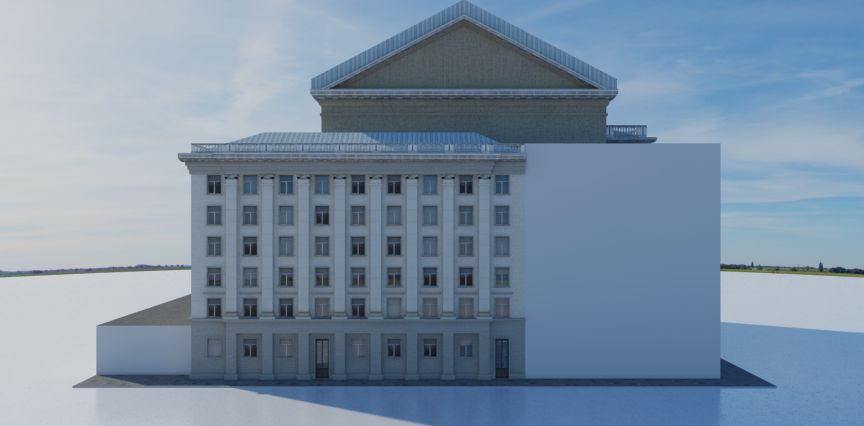
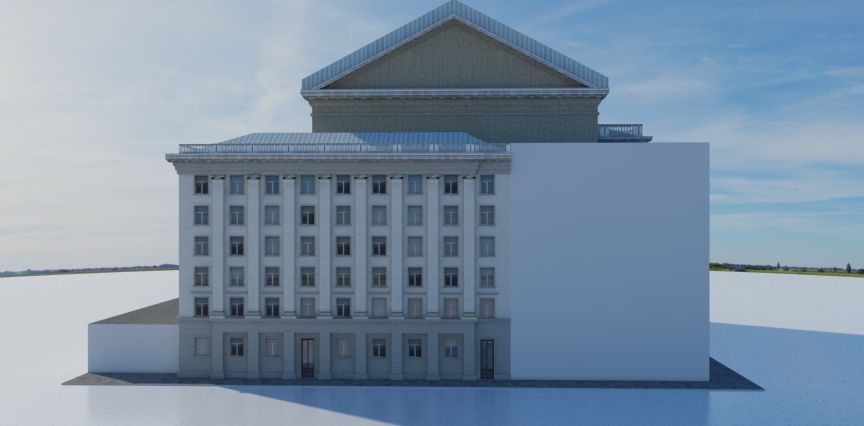
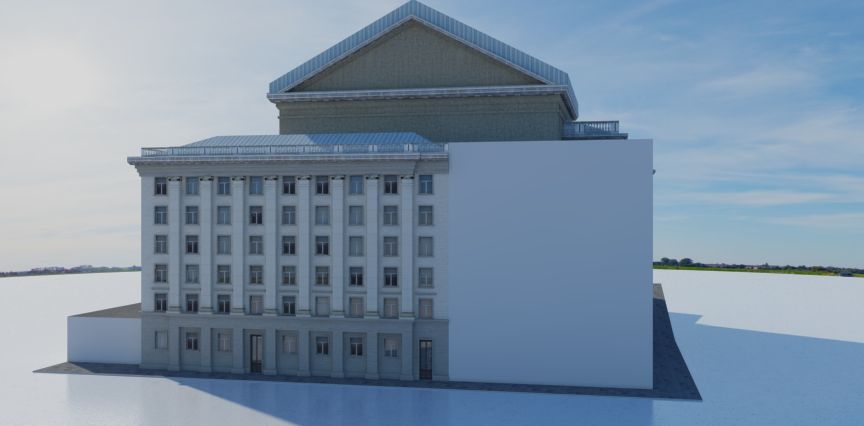
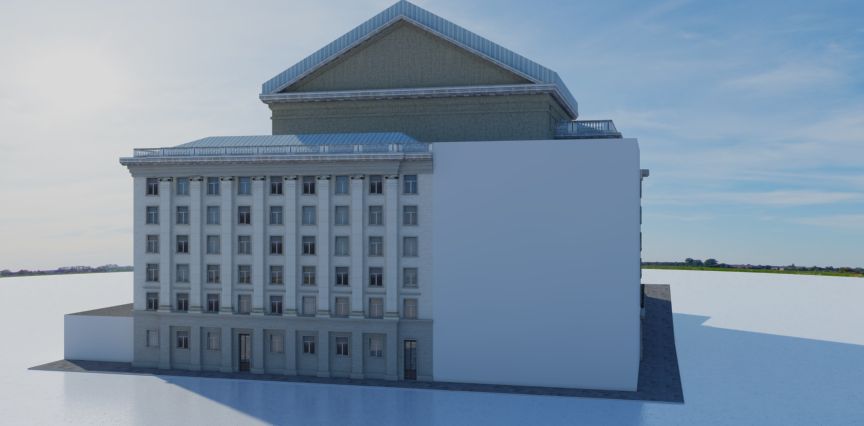
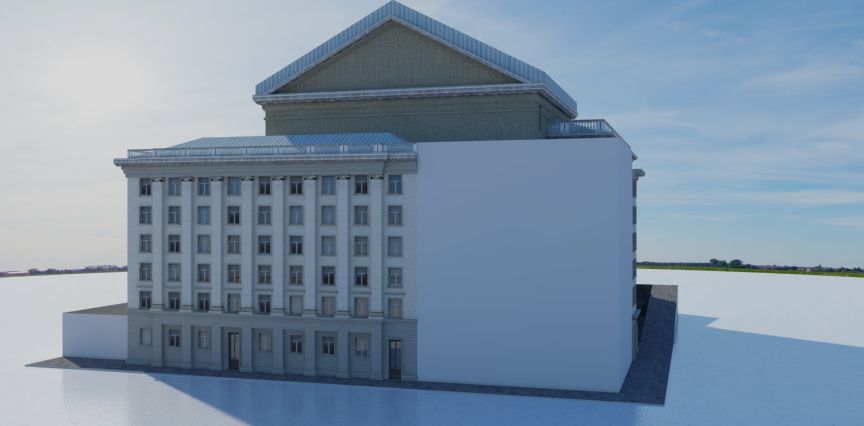
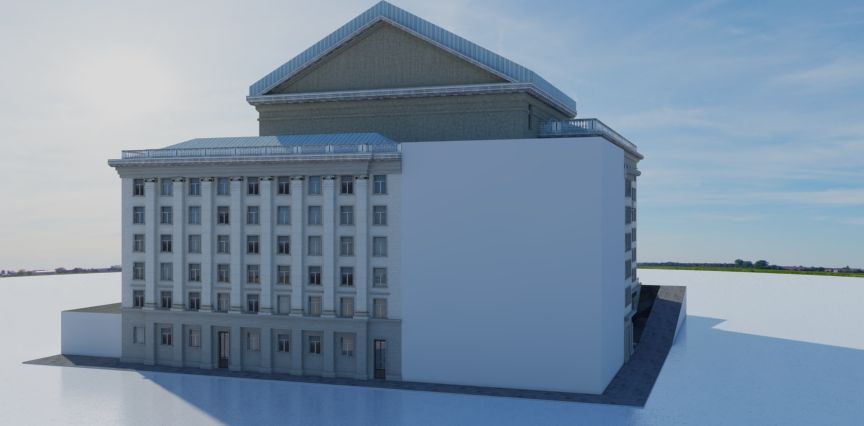
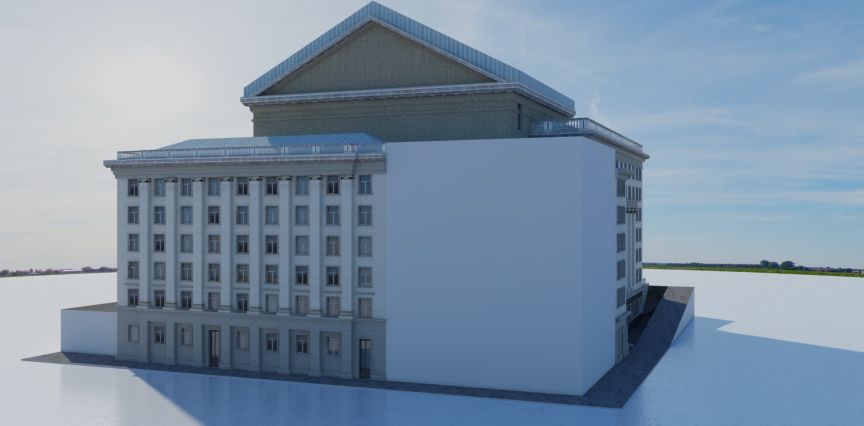
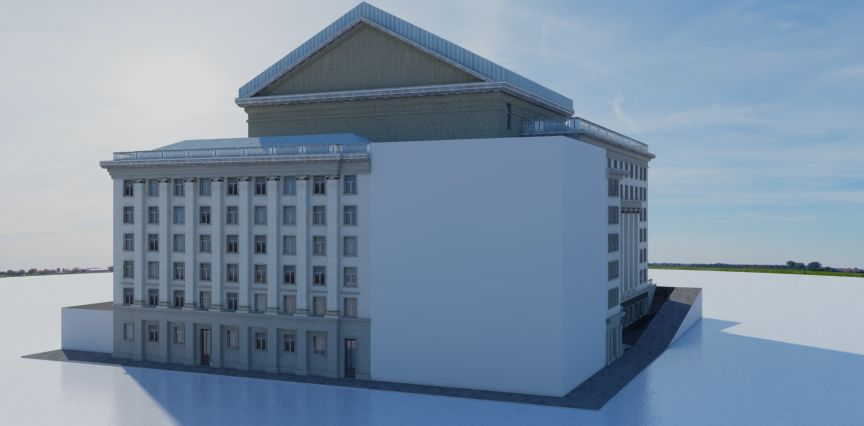
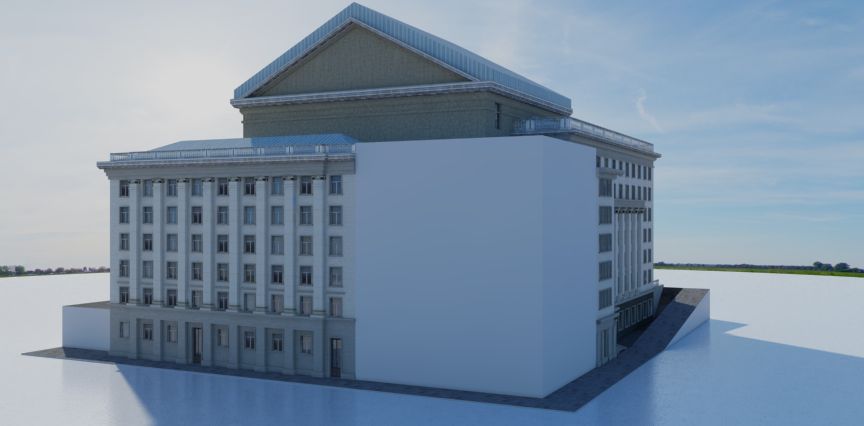
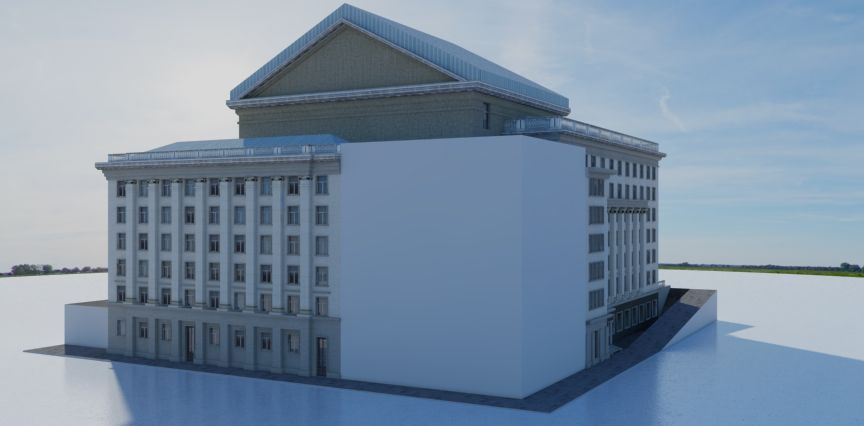
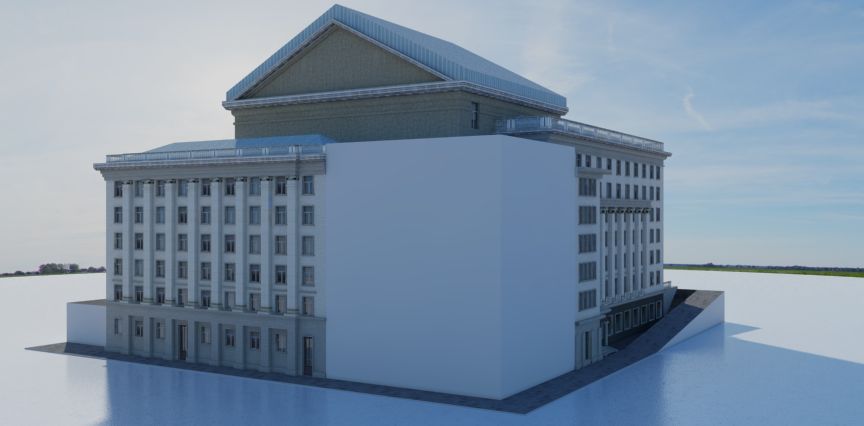
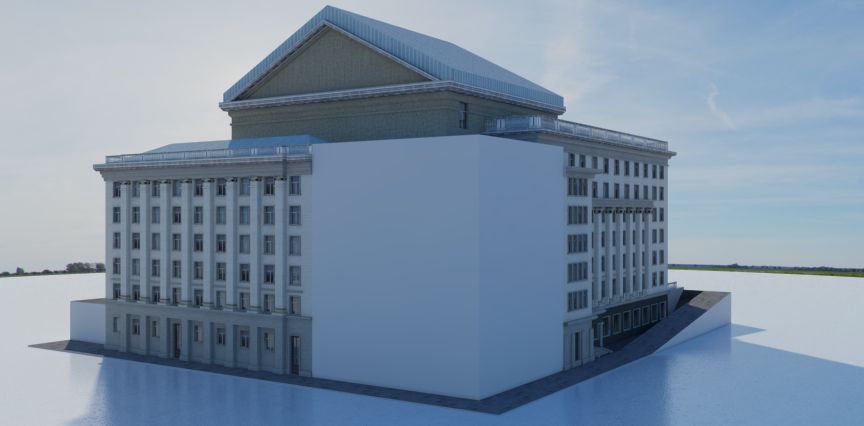
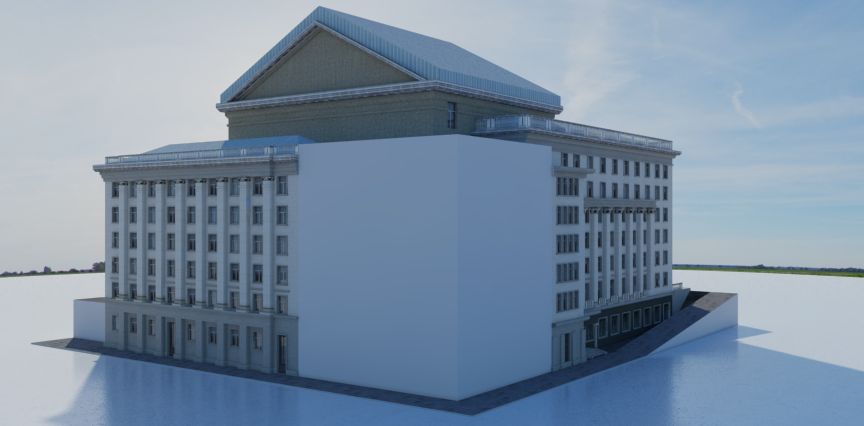
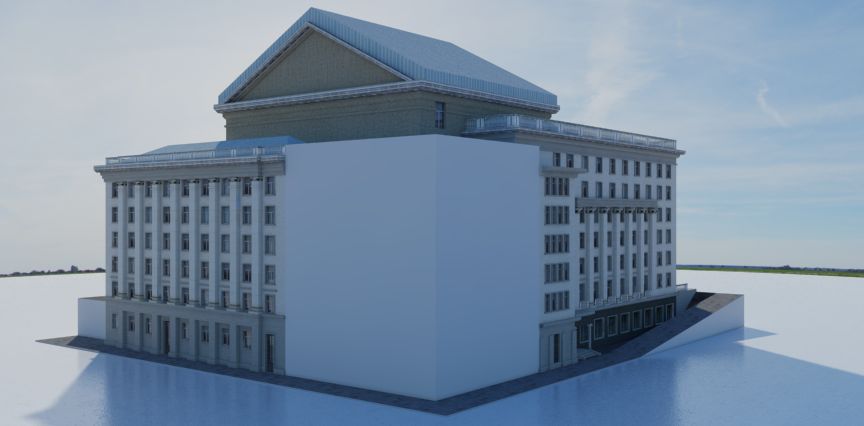
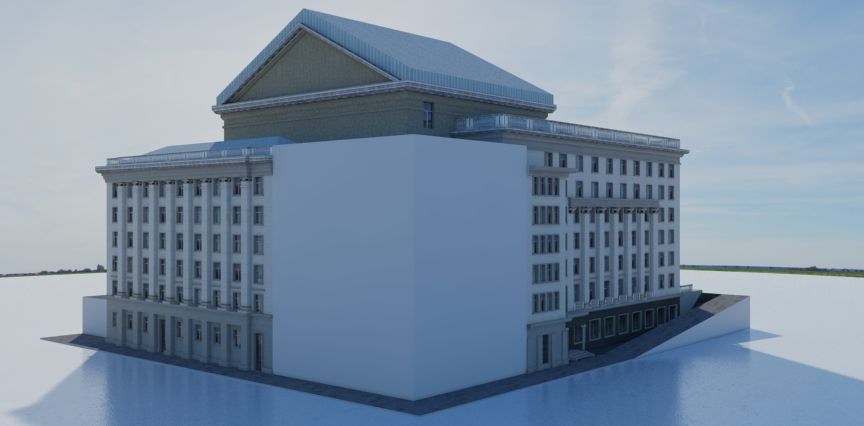
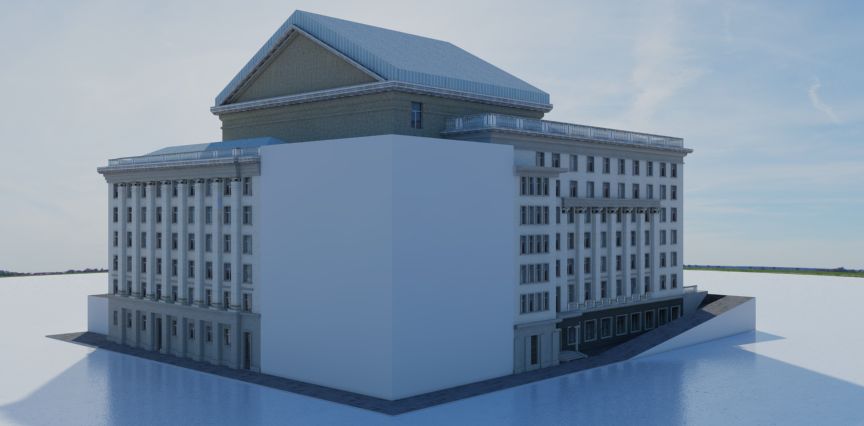
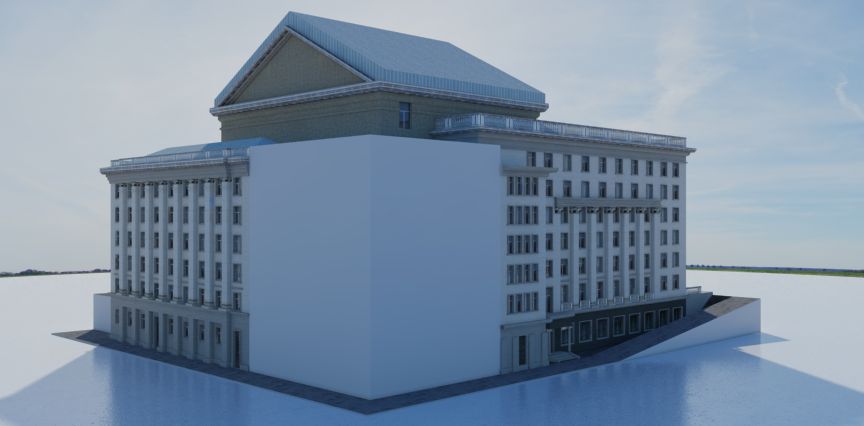
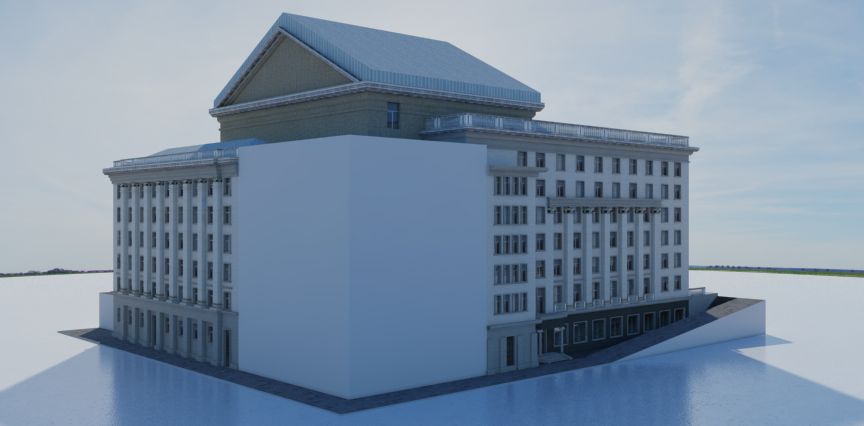
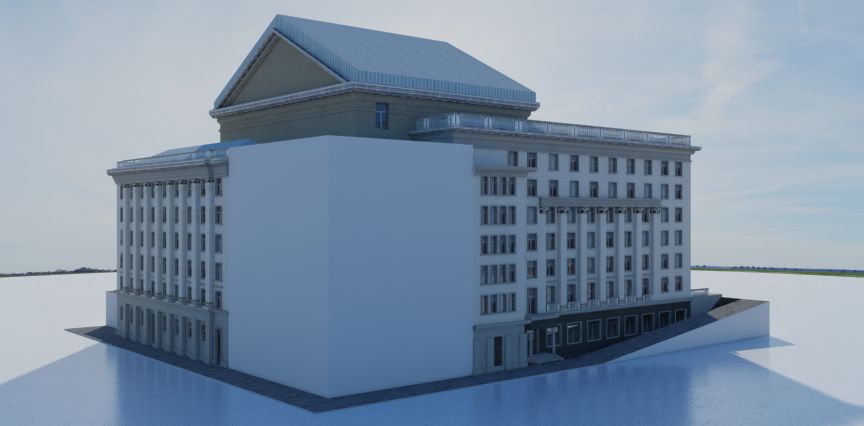
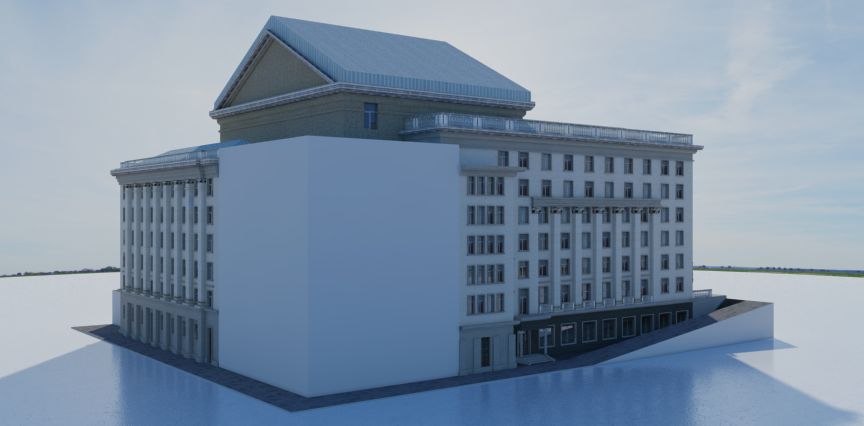
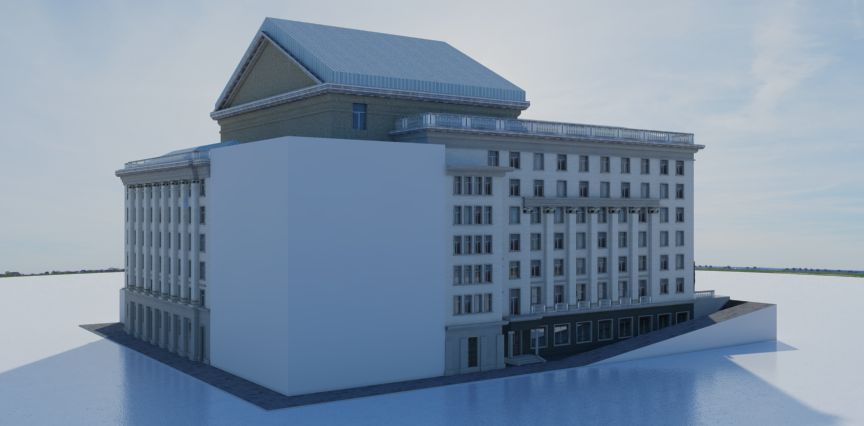
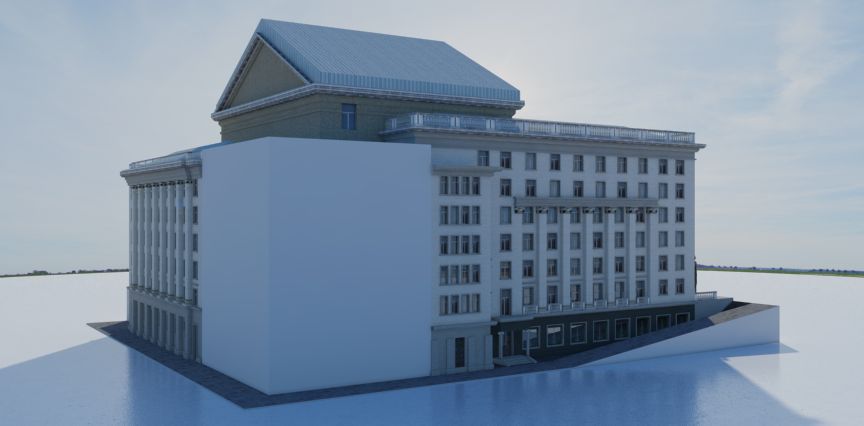
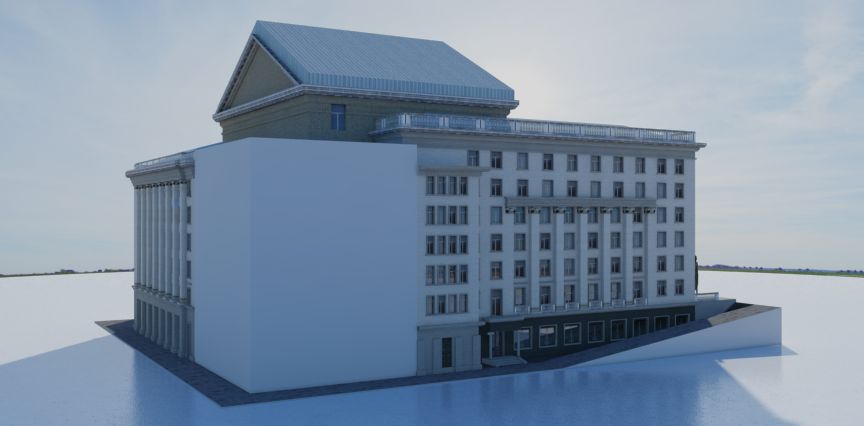
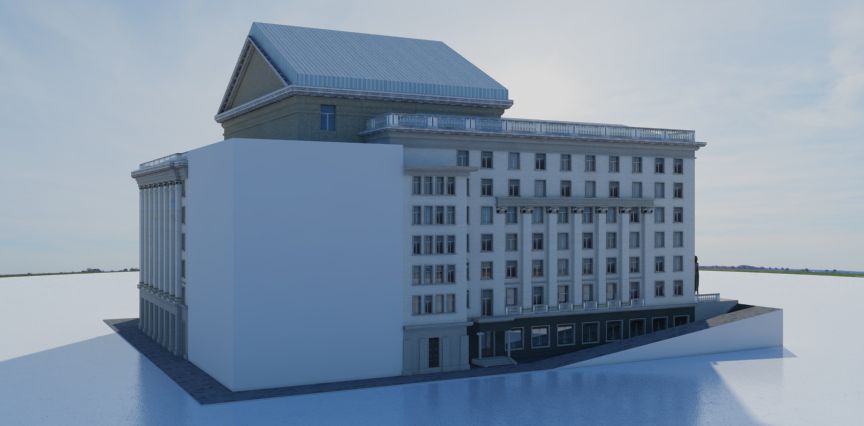
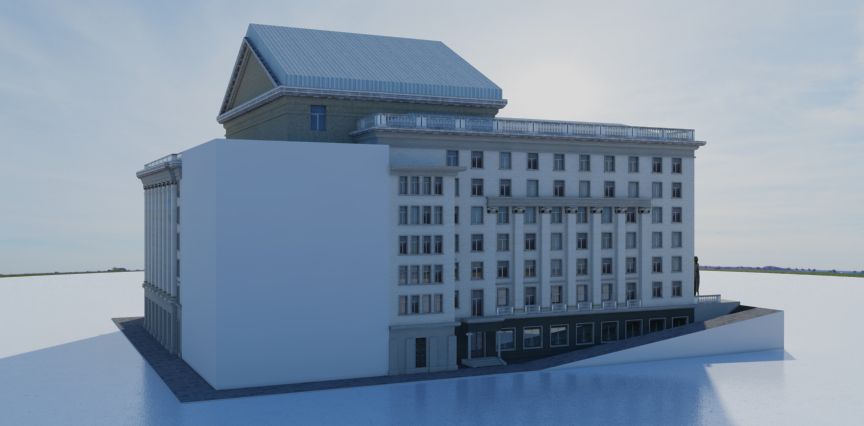
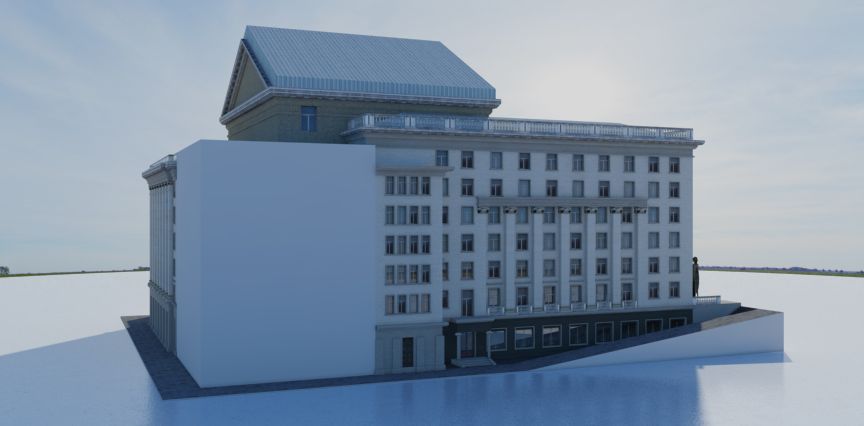
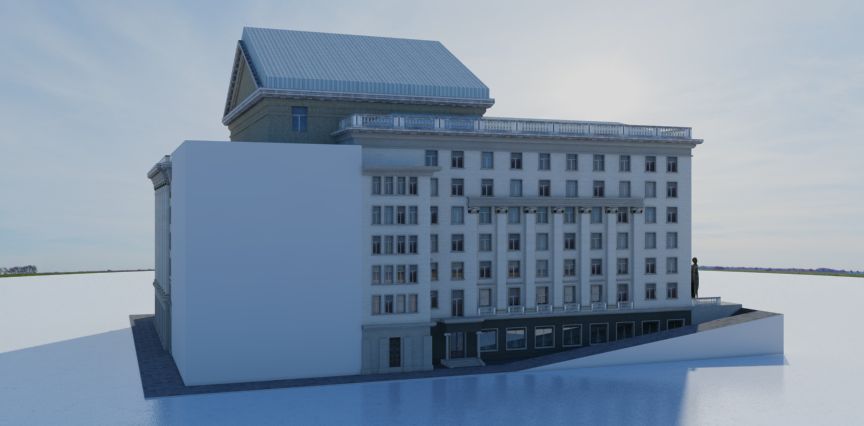
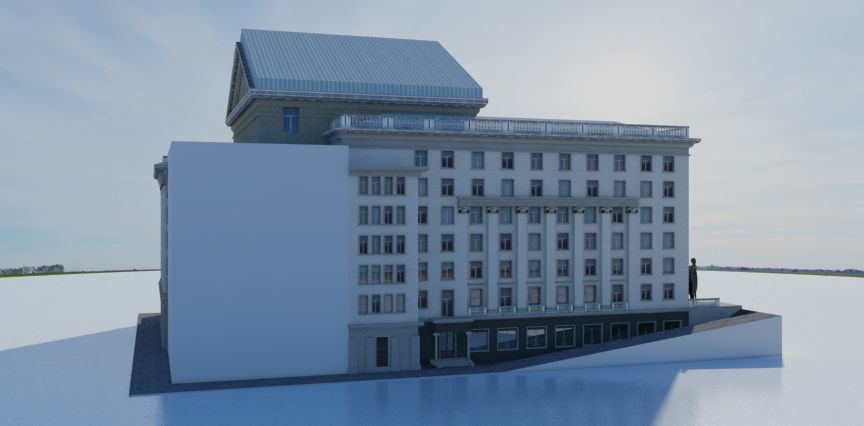
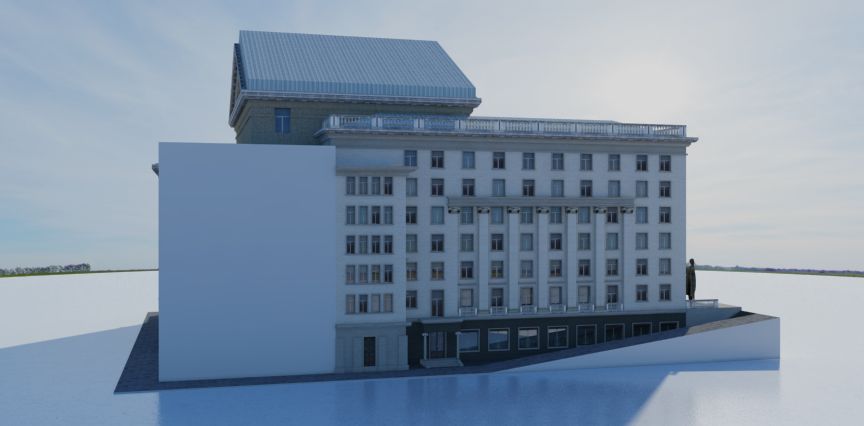
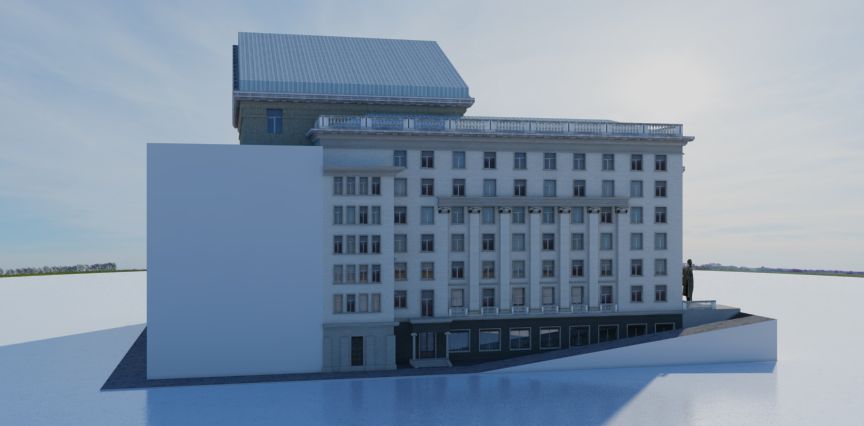
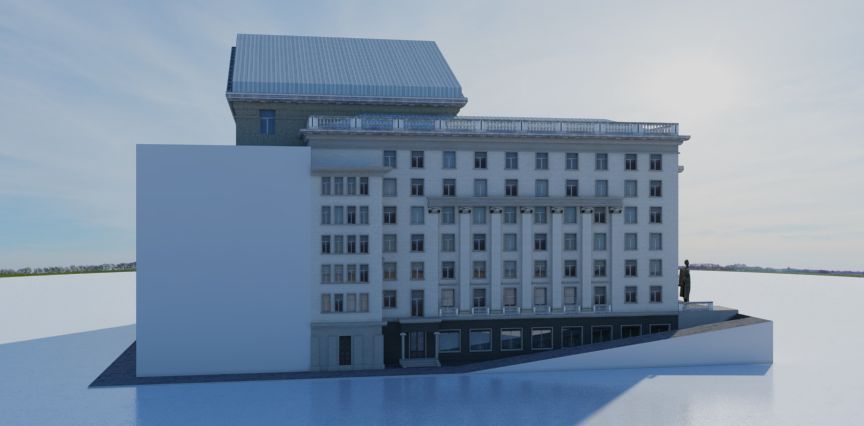
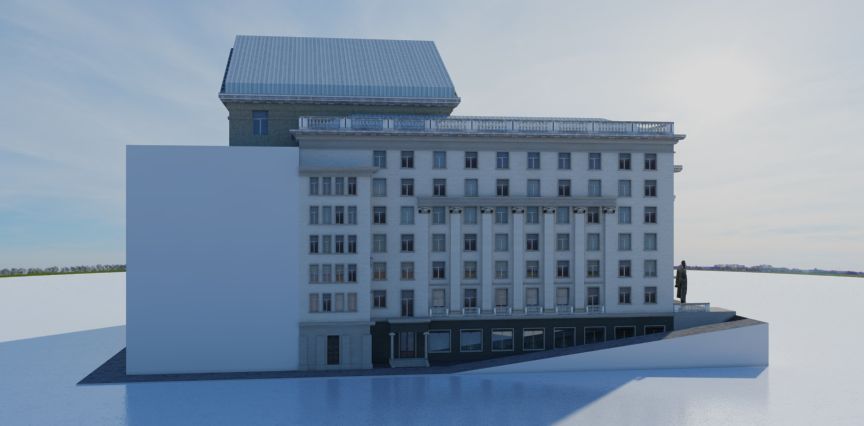
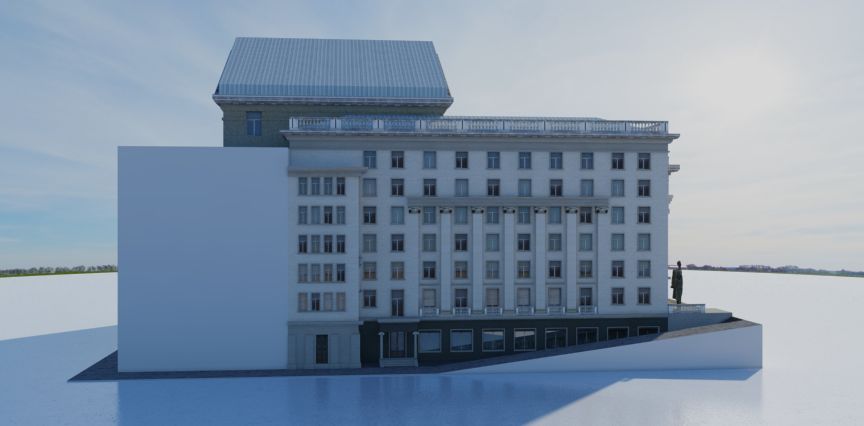
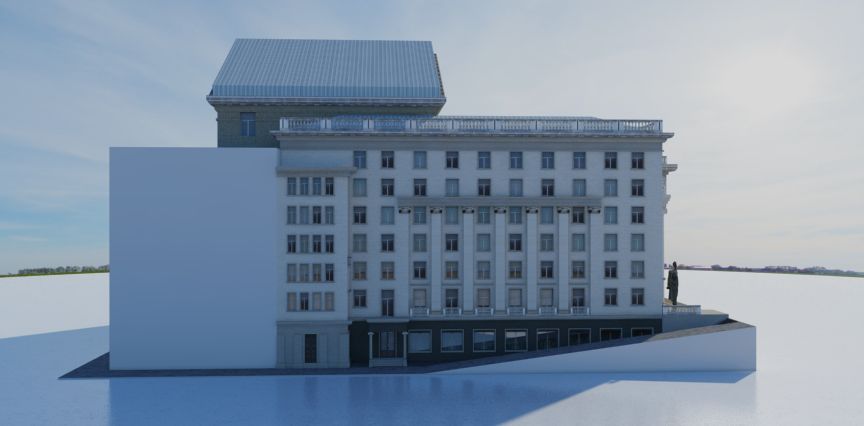
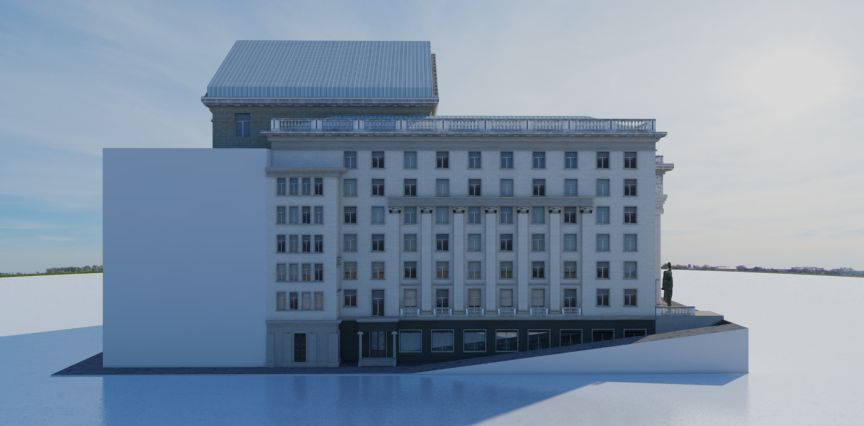
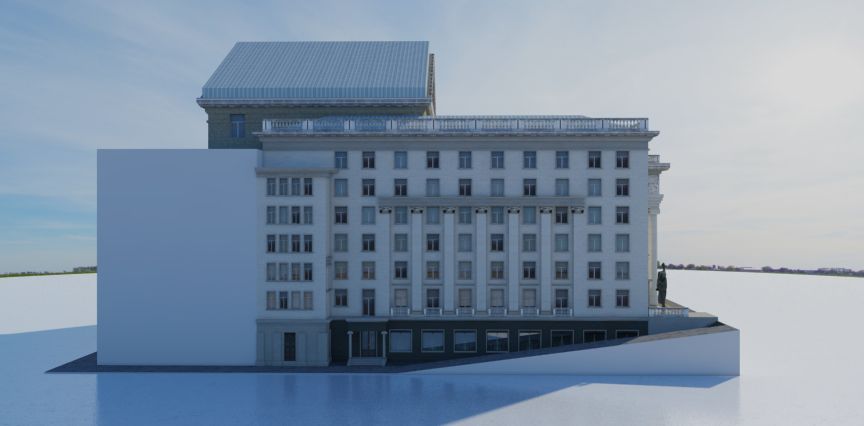
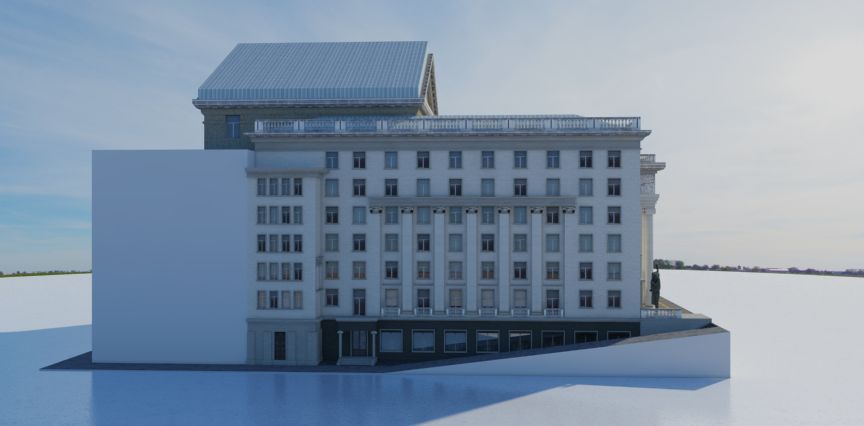
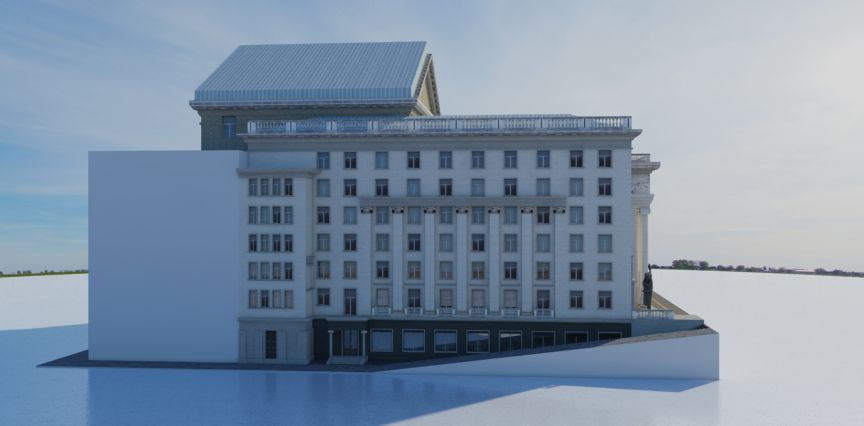
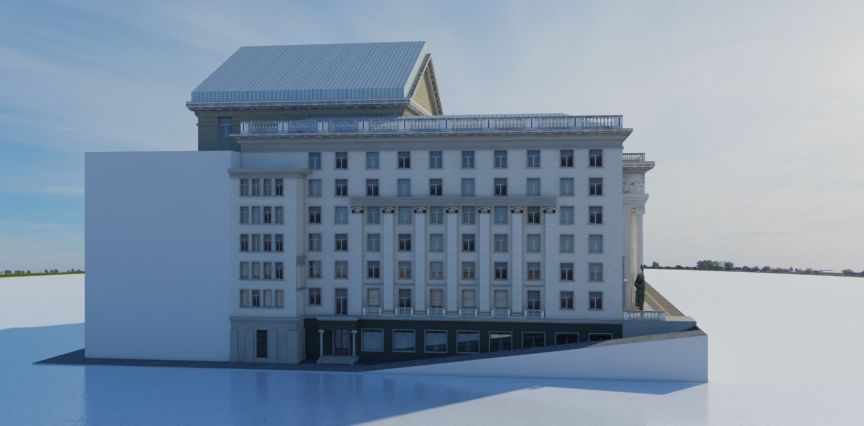
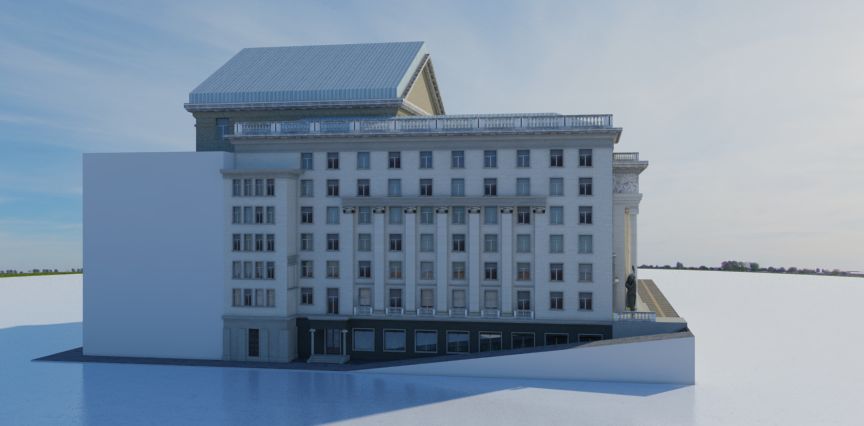
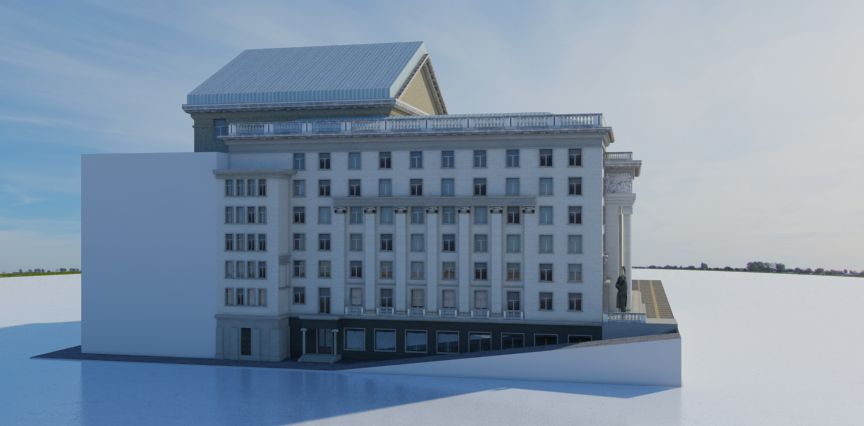
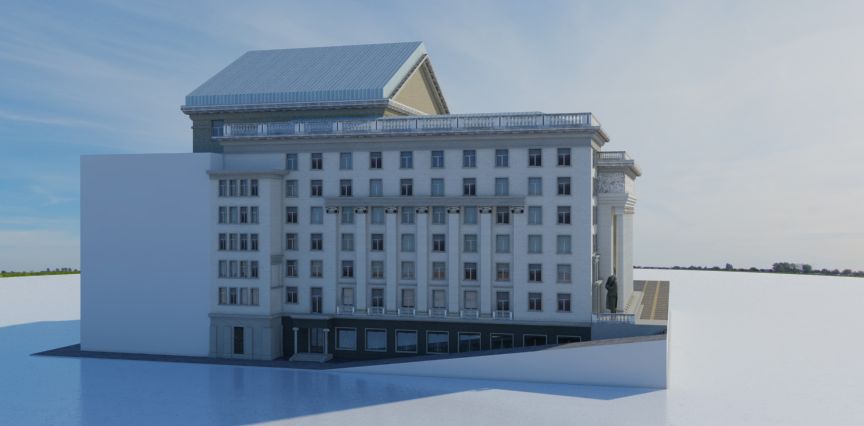
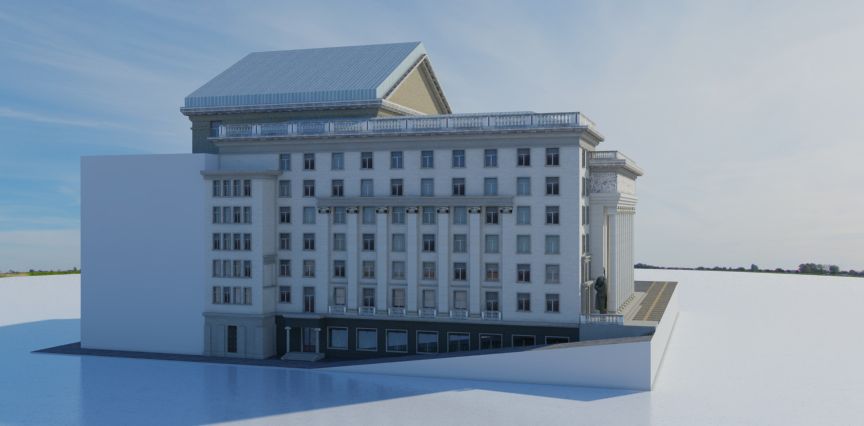
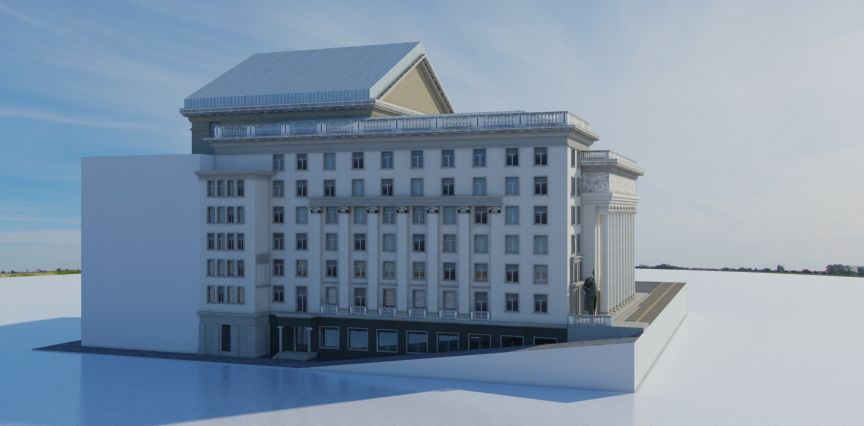
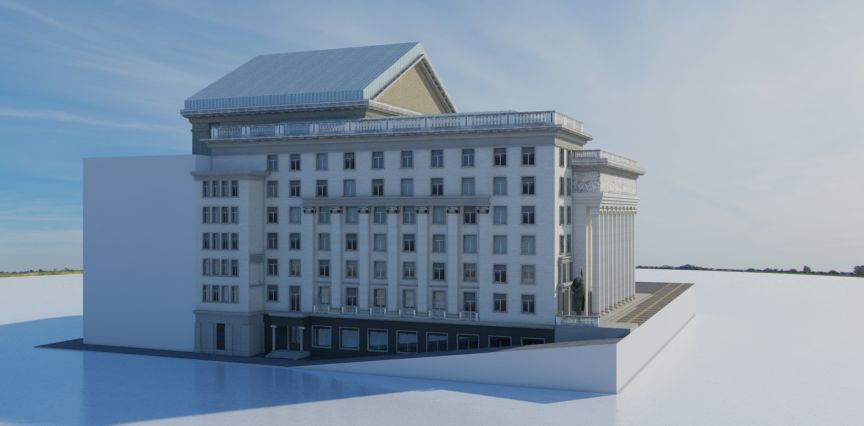
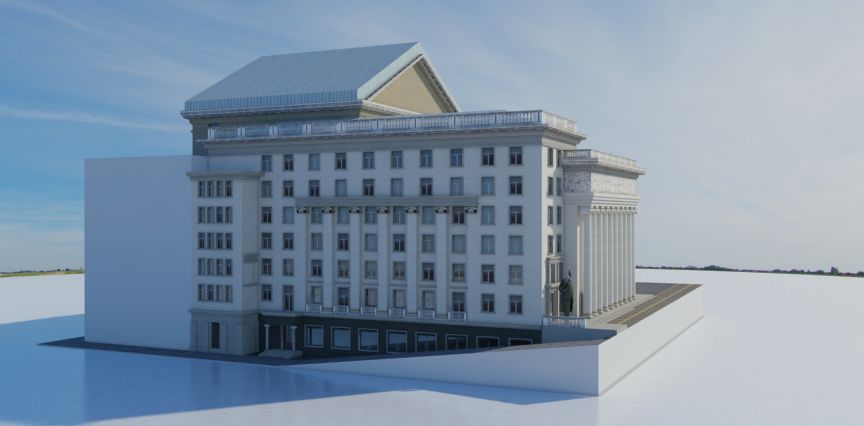
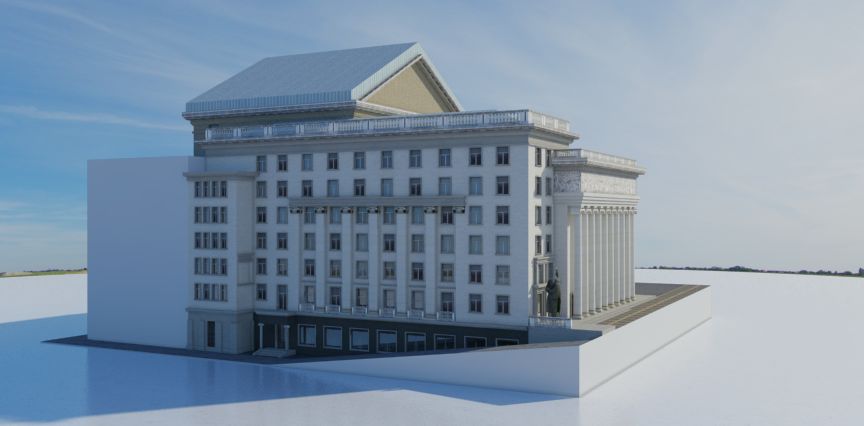
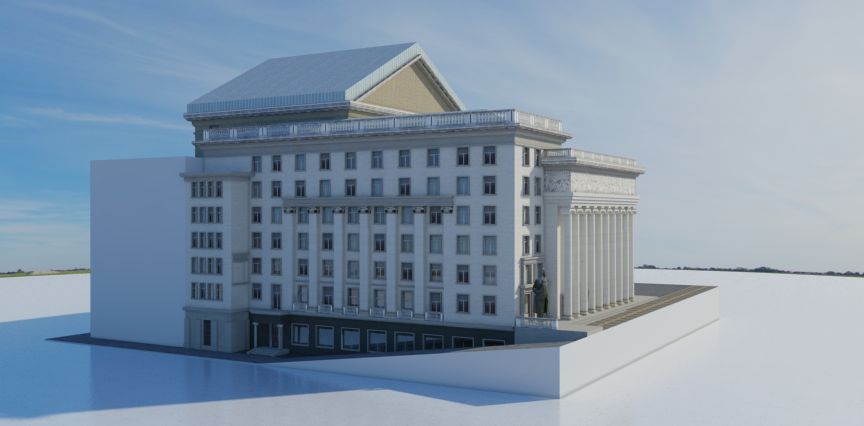
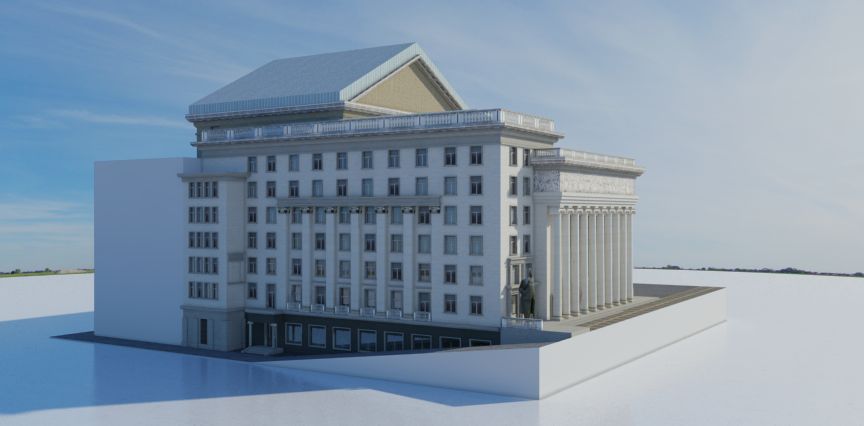
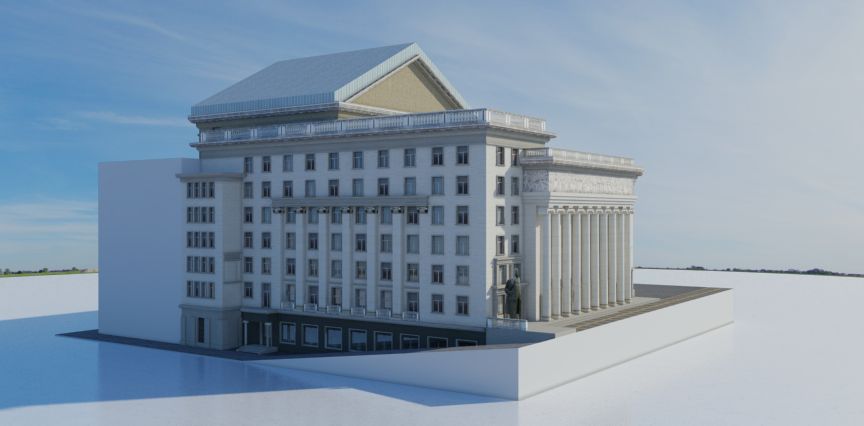
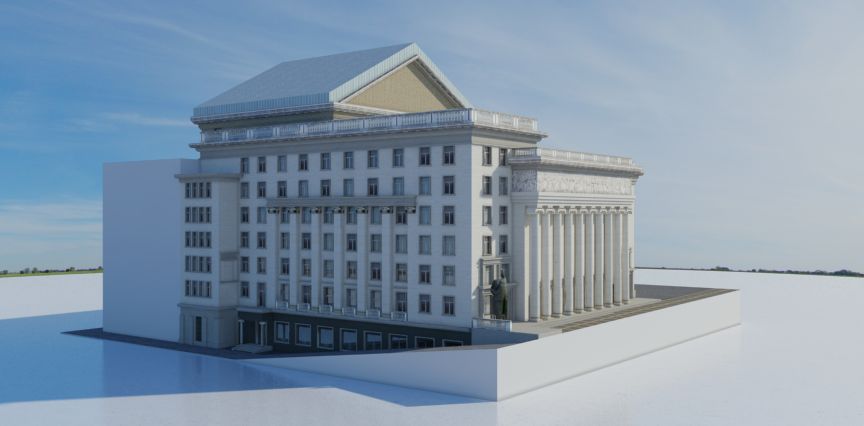
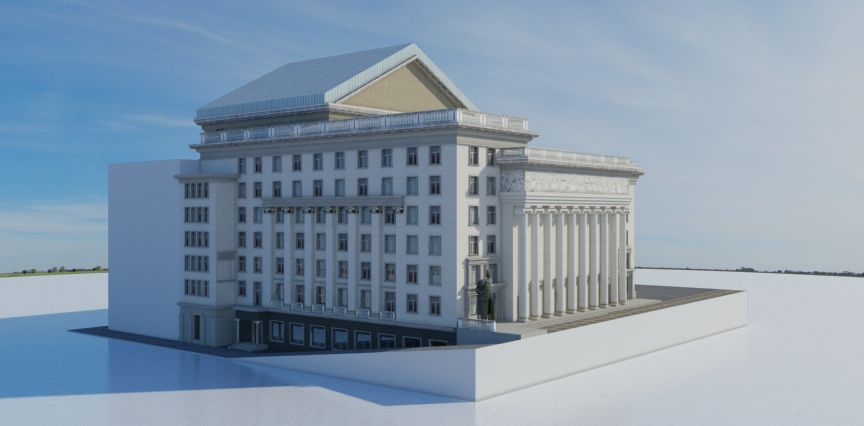
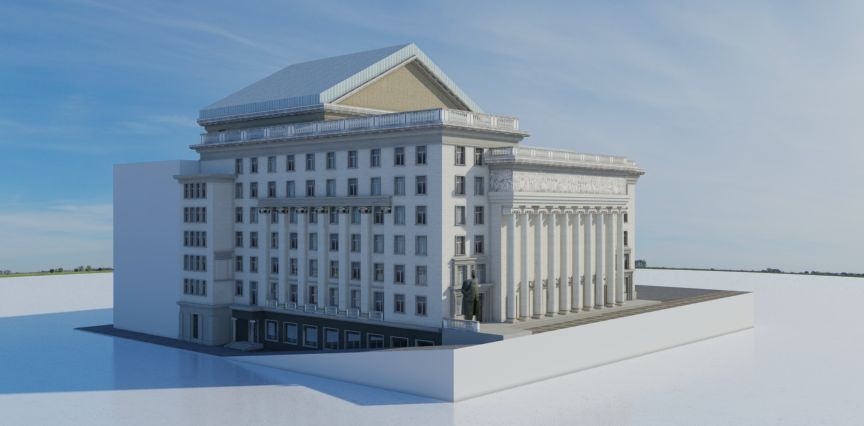
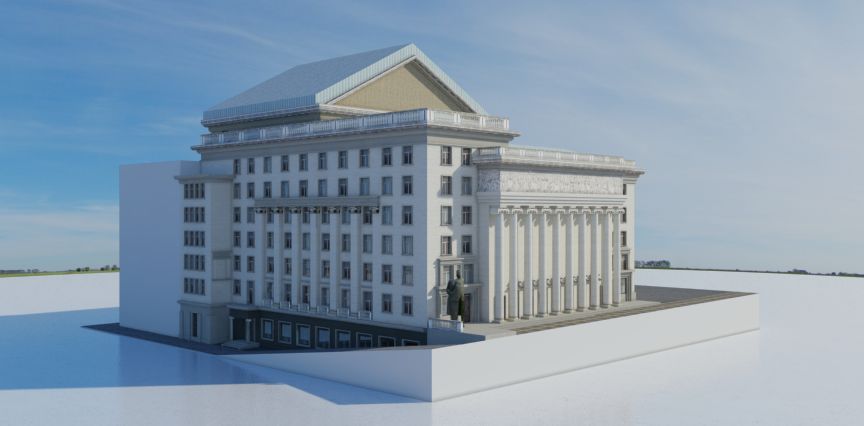
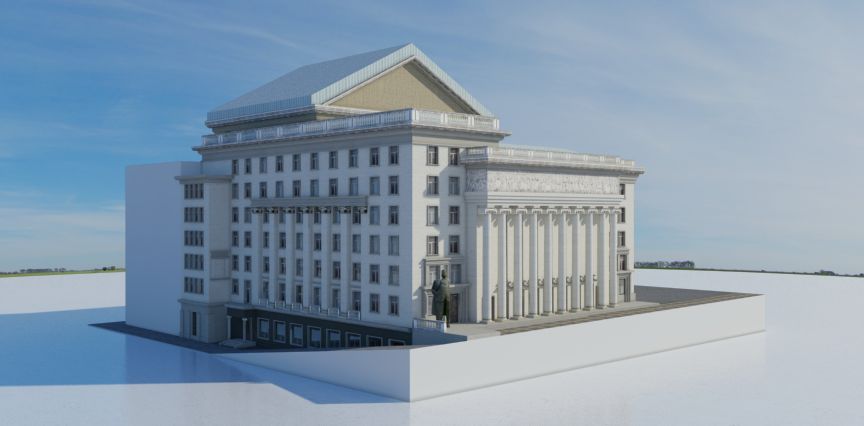
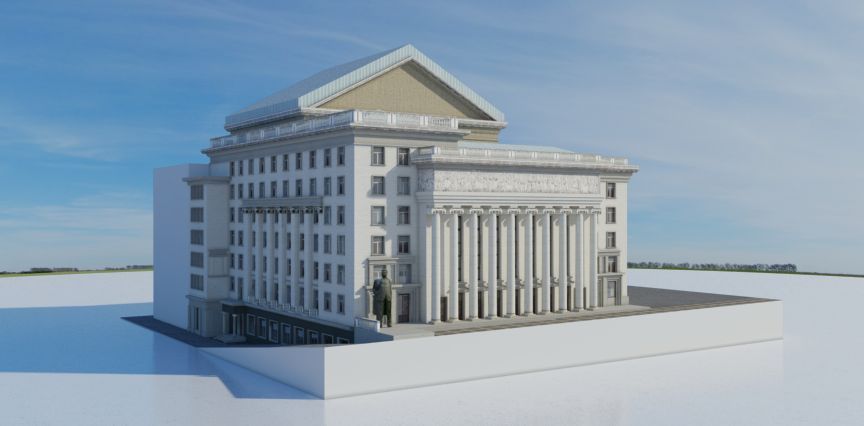
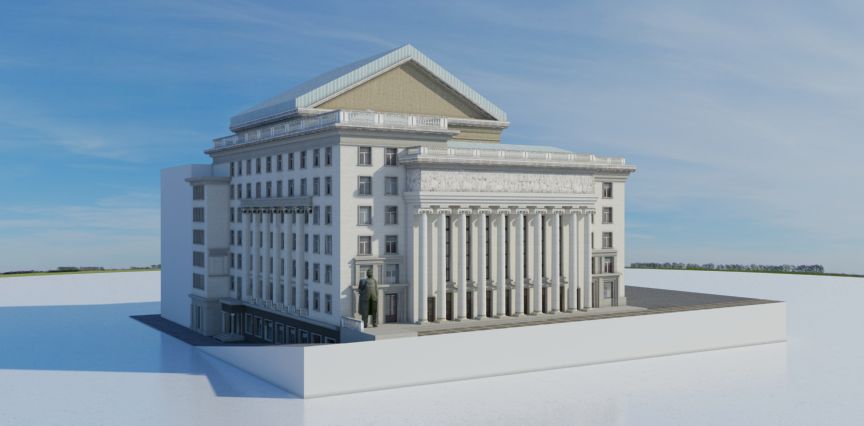
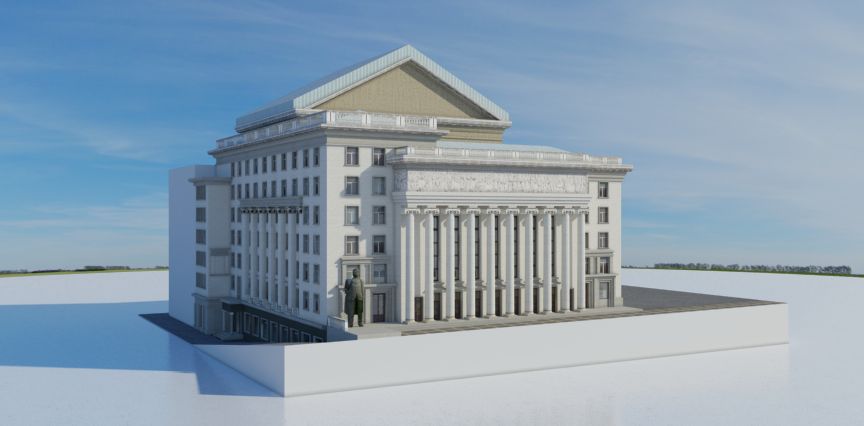
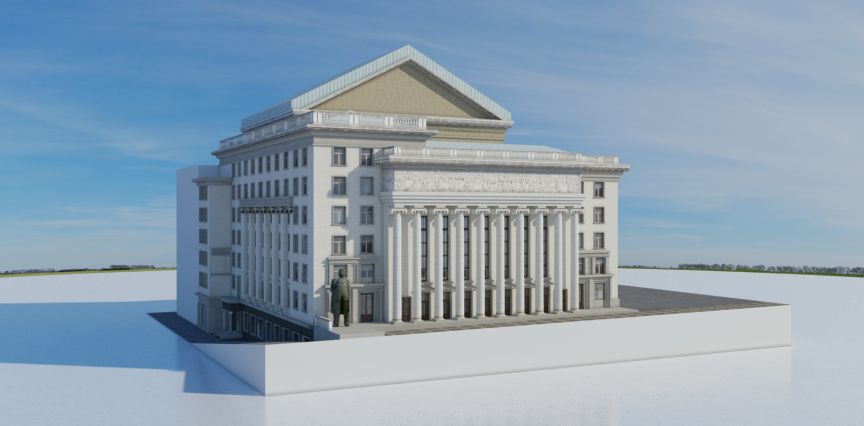
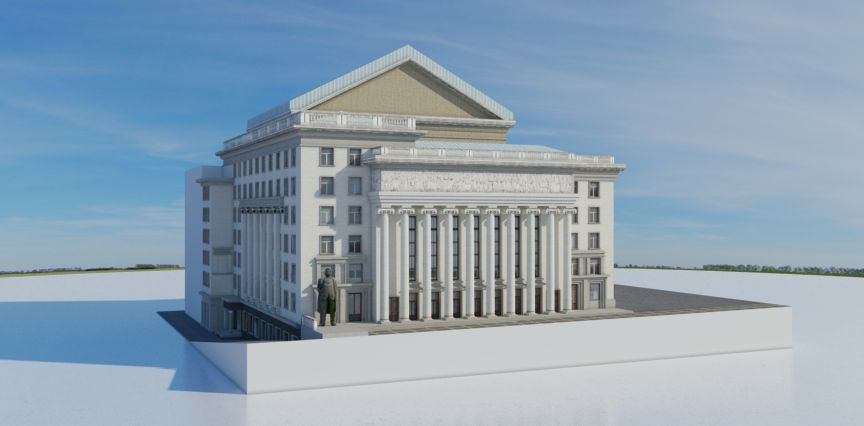
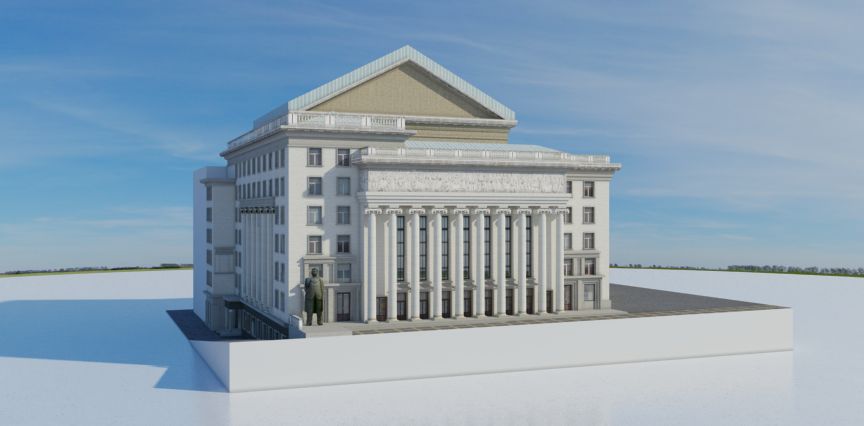
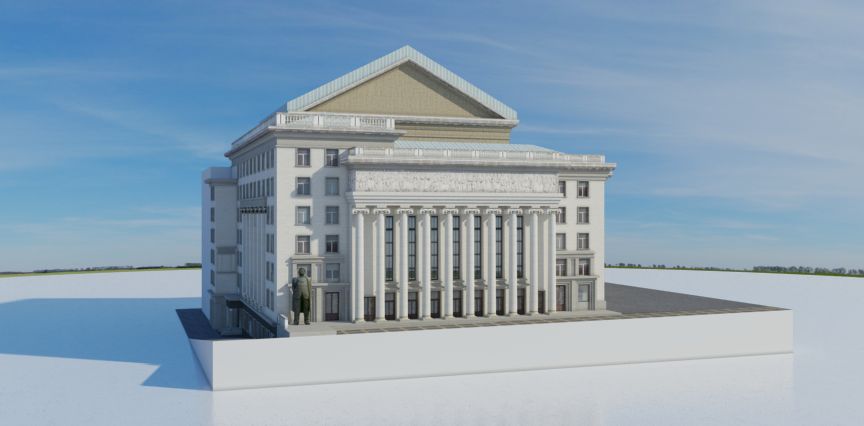
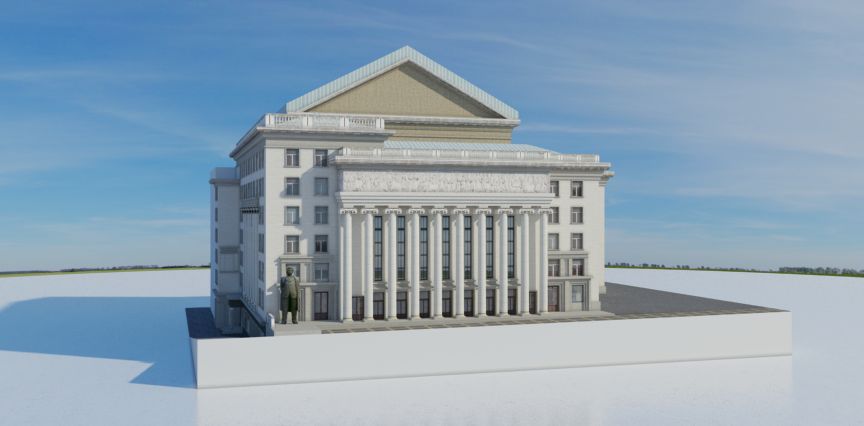
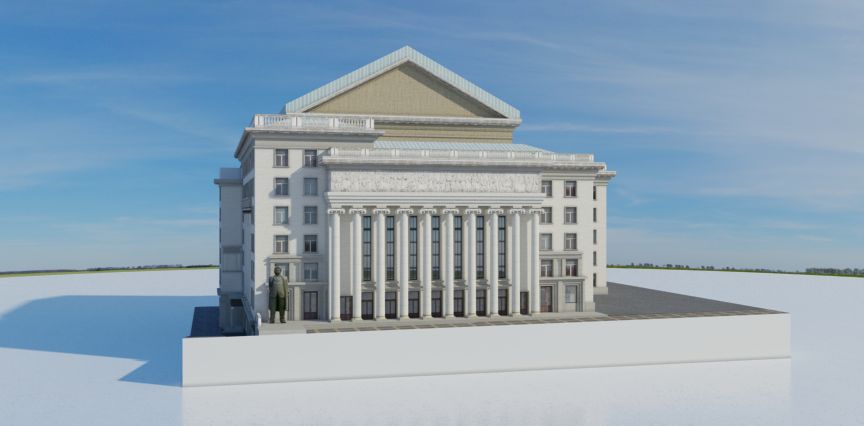
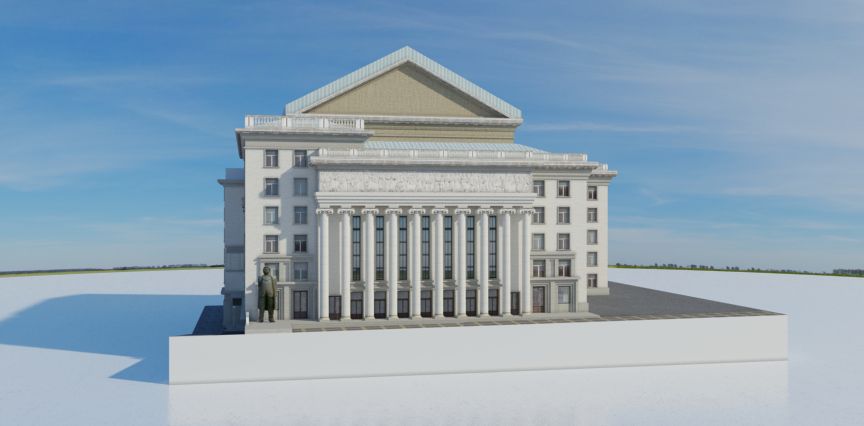
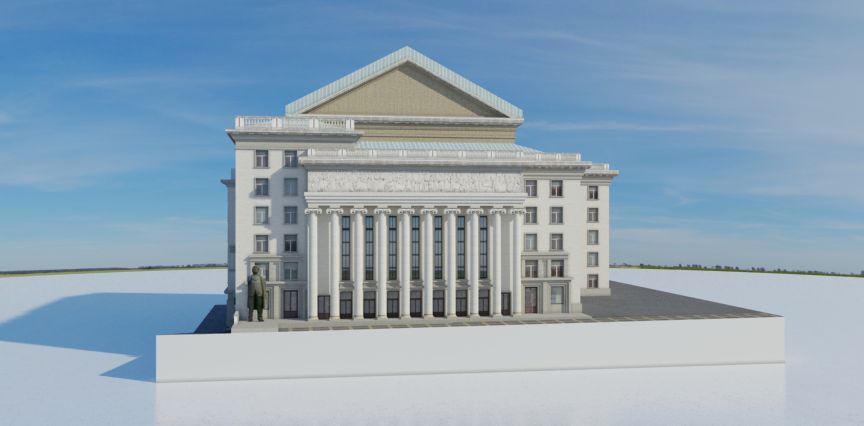
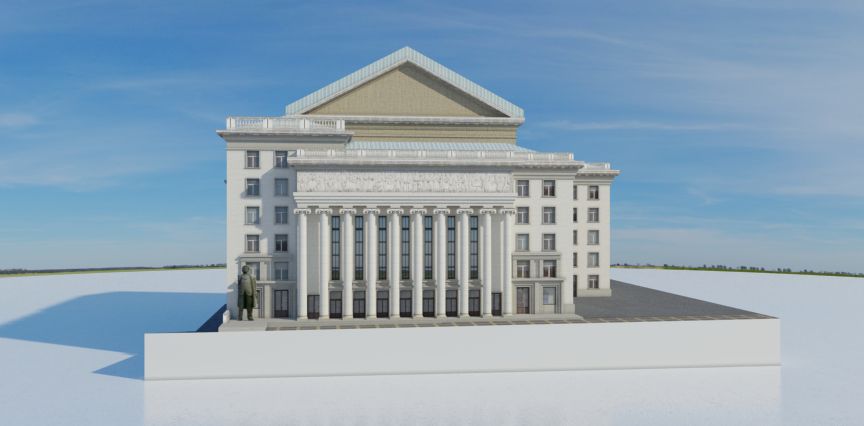
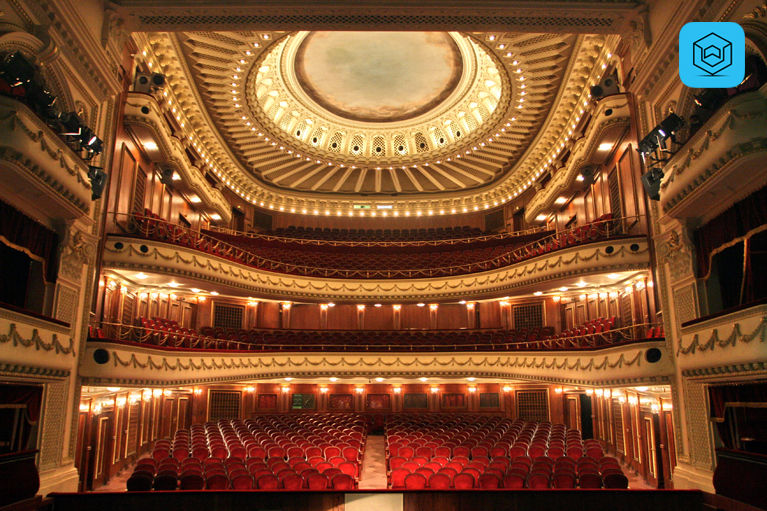
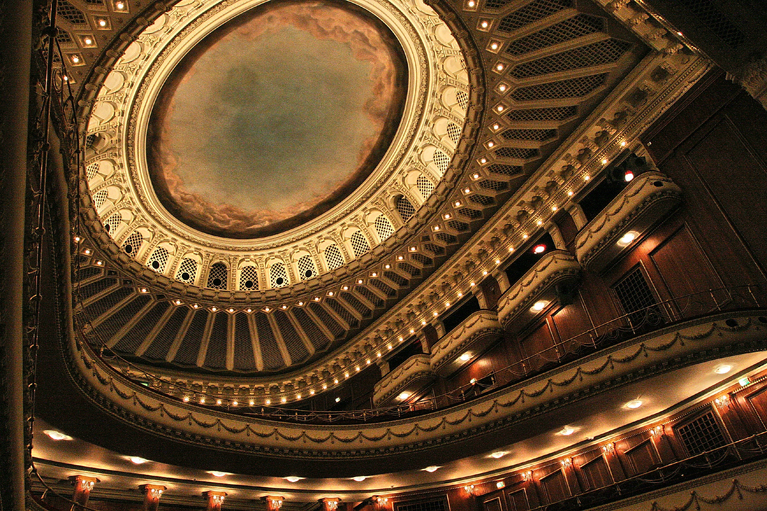
As the levels of the Dondoukov Blvd. and Vrabcha Str., the two parallel streets on both sides of the opera, are so different, the shape of the hall has been designed as a shell. This shape is similar to the core of a musical instrument. It is said that this is the reason for its excellent acoustics.
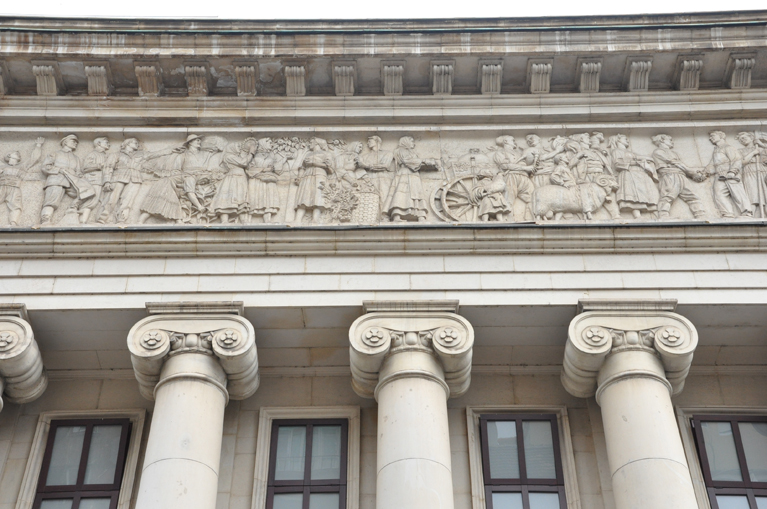
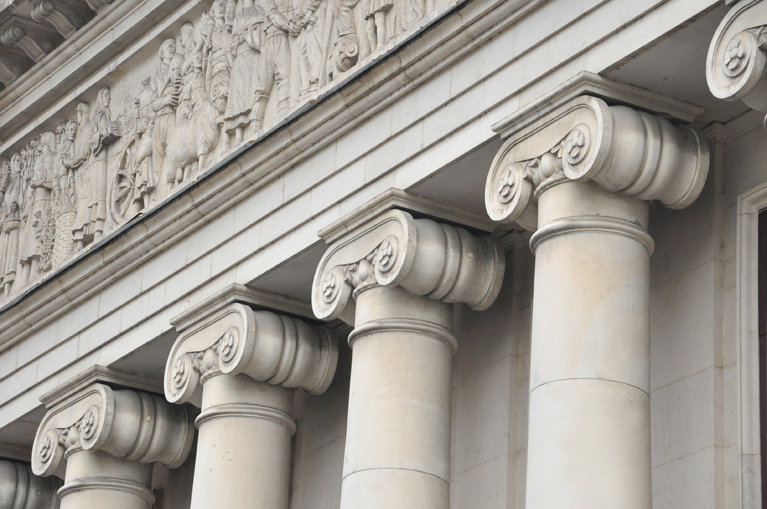
For the construction, the architect of the building Lazar Parashkevanov, had used some of the highest quality Bulgarian materials as well as specifically selected world renowned kinds of marble - impressive ceremonial entrances, elevators, marble stairs, imposing stone facade. The panneling is made of rare and precious woods, which are typically used for making violins, cellos and contrabasses.
-
On the 18th of October 1908 “The Bulgarian opera fellowship” performs the first trial performance - pieces from Guno’s “Faust” and Verdi’s “Trubadur”. The first full Opera play has been announced on the 5th of June 1909, Leoncavallo’s Pagliacci. Along the world’ s famous classical operas, the first Bulgarian operas were also staged - "Poor Woman" by Emmanuel Manolov, "Kamen and Price" by Ivan Ivanov and Vaclav Kautsky, "Borislav" by Maestro George Atanasov and "Tahir Begovitsa" by Dimitar Hadzhigeorgiev.
The planning and building of the memorable, for every citizen in Sofia, building starts in 1921, when the Bulgarian Agrarian National Union (BANU) purchased the land previously owned by the professional school of technical sciences, located on 1 Vrabcha Str. in Sofia.
Alexander Stamboliyski, than prime minister of Bulgaria, asigns architect and engineer Lazar Parashkevanov to project and manage the construction of the administrative building of the Bulgarian Agrarian National Union (BANU), which had to meet the requirements of the Agricultural party he was then leading.
The brief was to construct an impressive building on 1 Vrabcha Str., which had to be built primarily with only Bulgarian materials.
After carefull research of the landscape, in autum of 1922, Parashkevanov proposed the plans to the agricultural leader. Impresses by the modern facade of the future building, Alexander Stamboliyski gave the permission to commence development However, the year 1923 has been marked with a political coup and Stamboliyski' s brutal murder. Therefore, the project had been canceled.
In April 1947, the project has been reopened, Parashkevanov was again assigned as the lead architect, engineer and supervisor of the construction of the BANU administrative building, planned 25 years ago.
In Spring of 1947 the monument, of the soon to become the Union building, was layed. The immersive large scale construction site was located at the area between Vrabcha Str., Paris Str., Rakovsky Blvd. and Dondoukov Blvd. owned by BANU.
GALLERY
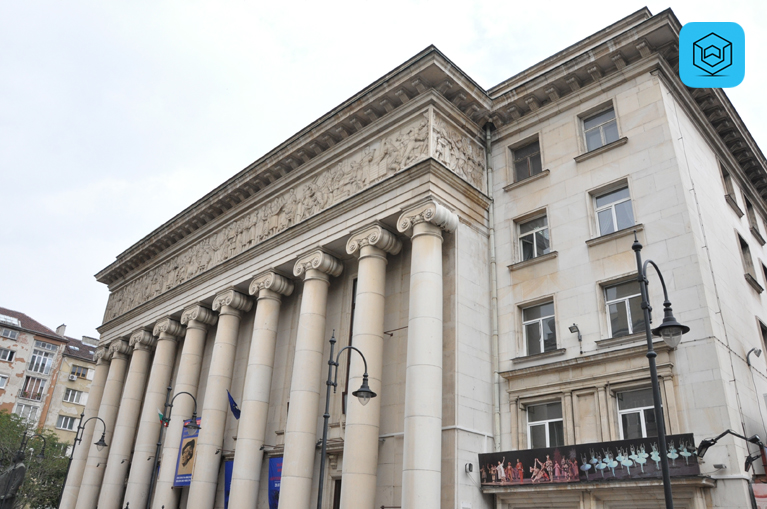
In the summer of 1948 the construction work starts. Surprisingly, the Council of ministers takes a decision, on the 7th of February, to align the building requirements to those of the Opera house. A minister’ s order is dispatched to start planning from from scratch.
The new plan should ensure a closer relationship between art, monumentalism, comfort, communication, mechanical automation, lighting, heating, ventilation and finally acoustics, which every opera needs in order to exist.
During the Spring of 1957, years after the epic genesis of the monument has started, the Union building becomes a fact. The monumental complex finally starts operating at its full speed and is still working at present.
You can find out more about the buildng at www.operasofia.bg
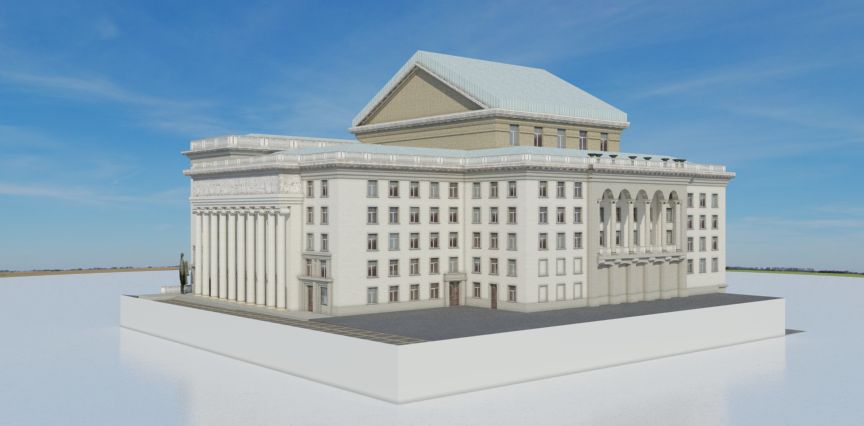
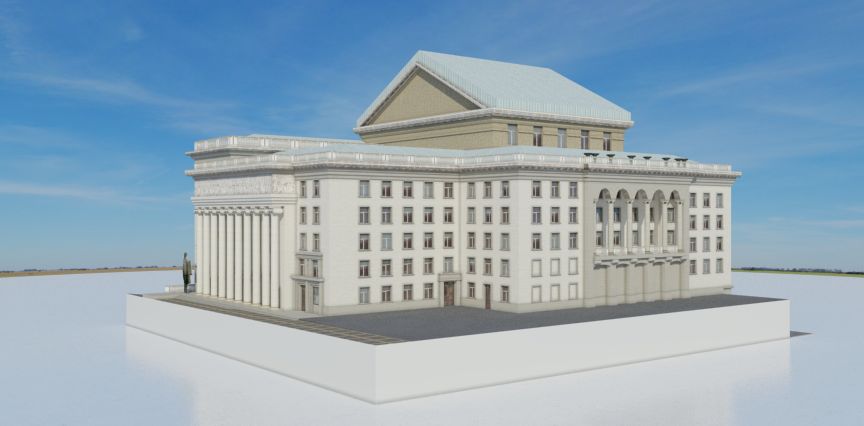
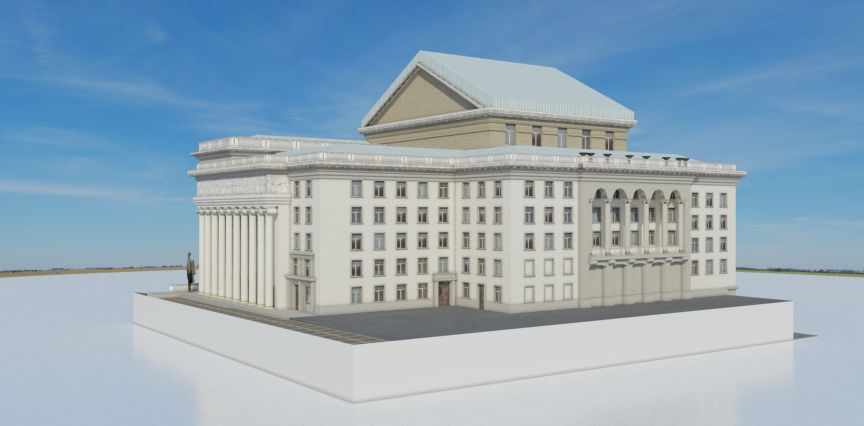
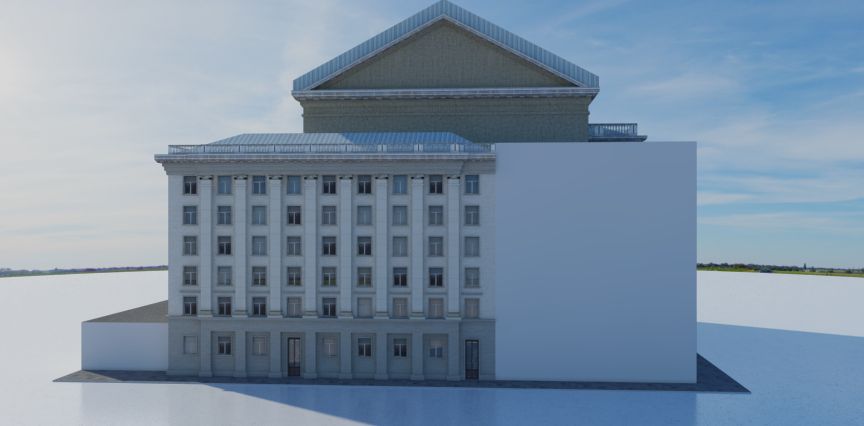
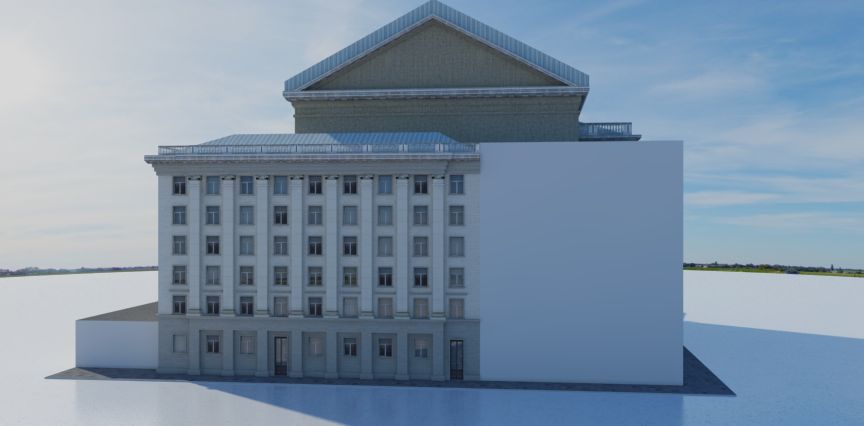
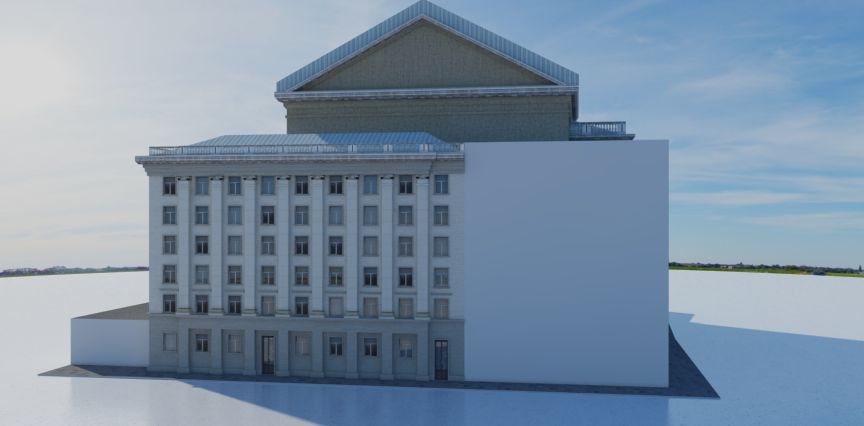
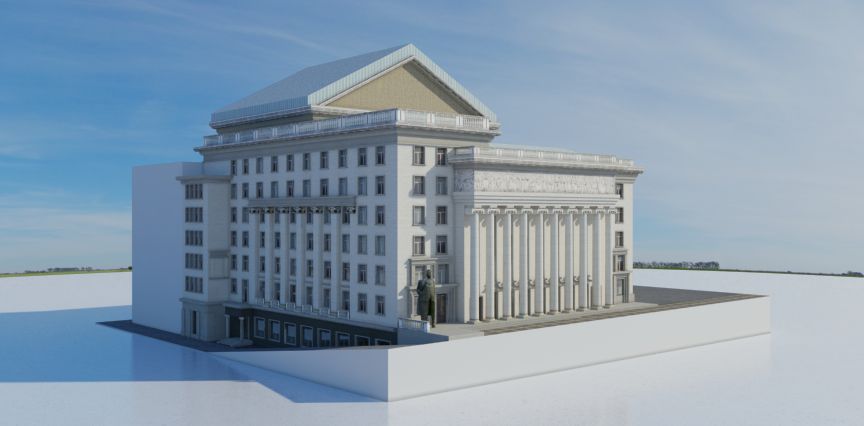
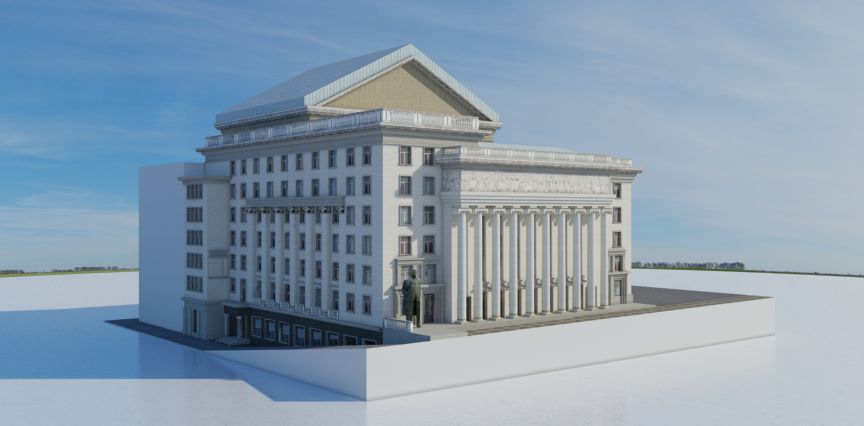
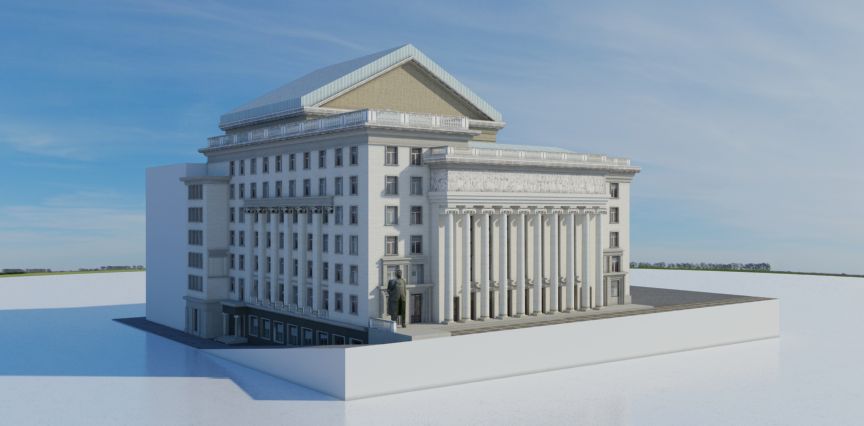
"The Emblematic buildings of Bulgaria" initiative aims to promote the Bulgarian cultural and historical heritage. The presented 3D visuals are illustrative and make no pretence of having thorough scientific and architectural accuracy.